Chuck Furuya
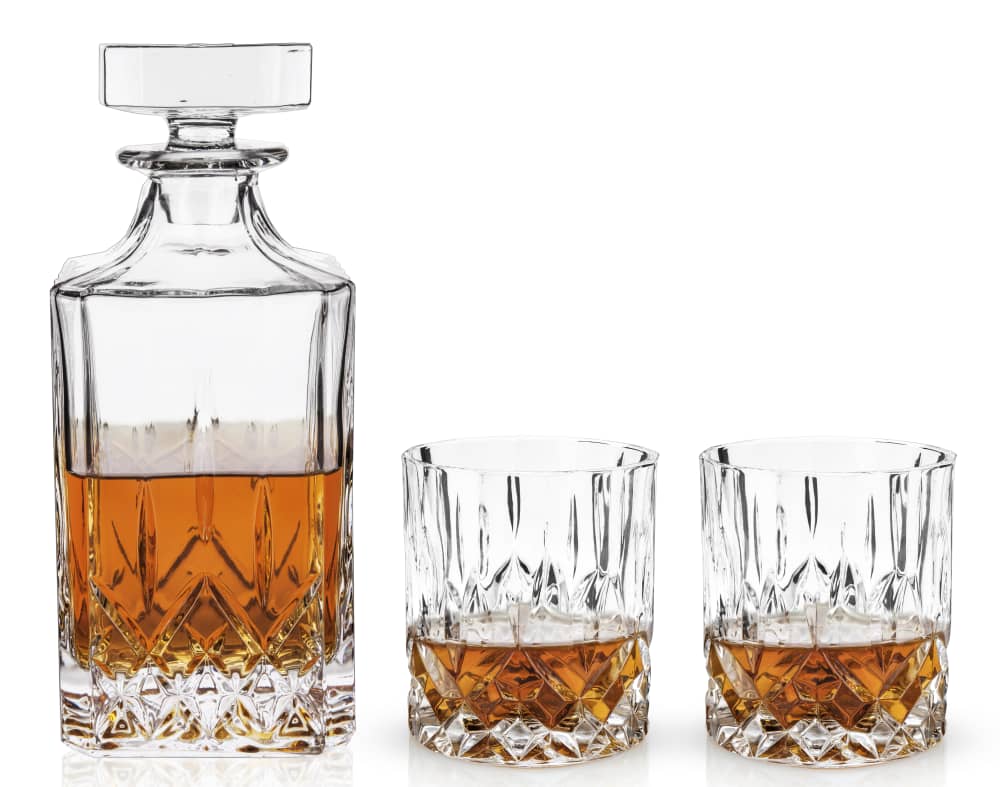


Add a splash of aeration to your robust vintage by decanting it for at least 30 minutes before serving. This simple step allows the complex flavors to unfold, making for a more enjoyable experience. A glass decanter or even a clean pitcher will do the trick. The exposure to air softens the tannins, which can significantly improve the overall profile of the beverage.
Incorporate complementary pairings to elevate the overall enjoyment. Rich cheeses, charcuterie, or even dark chocolate can create a delightful contrast, enhancing the natural characteristics of the pour. Focus on items with a similar weight or intensity to ensure a harmonious balance on the palate.
Experiment with temperature adjustments. Serving these robust beverages slightly cooler than room temperature can make a noticeable difference. Aim for around 60-65°F (15-18°C) to highlight the nuances in flavor while softening any harsh notes that may be present.
Consider using a quality glassware designed for fuller-bodied varieties. The shape and size of the glass can influence how aromas are captured and how the liquid interacts with your senses. A well-crafted vessel will allow you to savor each sip fully.
Enhancing Red Varietals
Decanting the beverage for at least 30 minutes can significantly soften harsh tannins and allow more complex aromas to unfold. This simple step transforms the drinking experience.
Complementary Flavors
Pairing with food can elevate the overall perception of the drink. Consider these combinations:
- Rich meats like lamb or beef.
- Hearty dishes featuring mushrooms or eggplant.
- Cheeses that are aged, such as cheddar or gouda.
Temperature Adjustment
Serving at the right temperature is crucial. Slightly chilling can help to balance the alcohol and enhance the fruit characteristics. Aim for a serving temperature between 55°F to 65°F (13°C to 18°C).
Experimenting with aeration tools, such as an aerator or even a simple swirl in the glass, can introduce oxygen and further smooth out the flavors. Each method can yield different results, so try them to find your preferred approach.
Choosing the Right Glassware for Wine Tasting
Selecting appropriate glassware significantly enhances the sensory experience. I recommend using a bowl-shaped glass with a tapered rim. This design allows aromas to concentrate, providing a fuller olfactory experience.
Types of Glasses
- Bordeaux Glass: Ideal for full-bodied varieties, this glass features a wide bowl that facilitates aeration.
- Burgundy Glass: Best suited for lighter, more aromatic selections, promoting the release of delicate scents.
- Universal Glass: A versatile option that works well for various types, making it a practical choice for casual tasting.
Glass Characteristics
- Material: Opt for crystal or high-quality glass. These materials enhance clarity and allow for better light reflection.
- Size: Choose glasses that are large enough to allow for swirling, which aerates the liquid and releases aromas.
- Rim Thickness: A thin rim improves the drinking experience, allowing for a smoother flow.
Using the right glass can elevate the enjoyment of every sip, making the experience more memorable and enriching. I find that investing in good glassware is worthwhile for any enthusiast looking to enhance their appreciation of fine beverages.
Optimal Serving Temperature for Fine Varietals
Serving temperature plays a crucial role in the enjoyment of your favorite varietals. For most full-bodied selections, I recommend a temperature range between 60°F and 65°F (15°C to 18°C). This range allows the complex flavors to emerge without being overshadowed by alcohol. If the beverage is served too warm, the alcohol content can dominate, while serving it too cold can mute the aromas and flavors.
Tips for Achieving the Perfect Temperature
To achieve the desired temperature, I often place the bottle in the refrigerator for about 30 minutes before serving. Alternatively, you can immerse the bottle in a bucket of ice and water for 10 to 15 minutes. This method provides an efficient way to cool the beverage down quickly. A wine thermometer can also be a handy tool to ensure precision, allowing me to serve at just the right degree.
Understanding Temperature Impact on Flavor
Temperature affects not just the aroma but also the tactile sensation of the liquid. Warmer options tend to feel fuller and more rounded on the palate, while cooler selections can be perceived as crisper and more refreshing. Experimenting with slight variations in temperature can lead to discovering new nuances in your favorite varietals. Always consider the specific characteristics of the varietal you are enjoying, as this can guide your approach to serving temperature.
Decanting Techniques to Enhance Flavor
To elevate the sensory experience of a robust vintage, proper decanting is critical. Begin by selecting a clean, dry decanter with a wide base, which allows for maximal aeration.
Step-by-Step Decanting Process
1. Open the bottle carefully to avoid disturbing any sediment.
2. Hold the bottle at an angle and pour gently into the decanter, aiming for the inner wall to minimize splashing.
3. Stop pouring when sediment reaches the neck of the bottle, leaving it behind.
4. Allow the liquid to breathe for at least 30 minutes, though some varieties may benefit from longer exposure.
Decanting Time Recommendations
| Type of Wine | Recommended Decanting Time |
|---|---|
| Young Varieties | 30 minutes to 1 hour |
| Aged Varieties | 15 to 30 minutes |
| Bold Reds | 1 to 2 hours |
Experiment with timing to find the optimal balance for each specific bottle. Remember, the goal is to soften tannins and enhance the aromatic profile, making for a richer and more complex experience.
Food Pairing Suggestions to Complement Wine
Opt for grilled meats, particularly lamb or beef, as the robust flavors harmonize beautifully with the characteristics of the beverage. The charred exterior enhances the fruit notes, creating a satisfying balance.
Rich pasta dishes featuring tomato-based sauces also pair well. The acidity in the sauce contrasts nicely with the tannins, making each sip refreshing.
For cheese lovers, aged Gouda or a sharp cheddar will elevate the experience. The nutty and savory profiles of these cheeses soften the wine’s astringency, allowing for a smoother finish.
Roasted vegetables, especially those with a caramelized exterior, complement the wine’s depth. The sweetness from the roasting process pairs beautifully with the wine’s complexity.
Dark chocolate desserts provide a decadent end to a meal. The bitterness of the chocolate enhances the fruitiness, creating an indulgent pairing that lingers on the palate.