Chuck Furuya

If you’re seeking a less tannic option, I recommend exploring a Beaujolais Nouveau. This French varietal is known for its light body and refreshing fruitiness, making it a delightful choice for those who prefer a smoother taste profile.
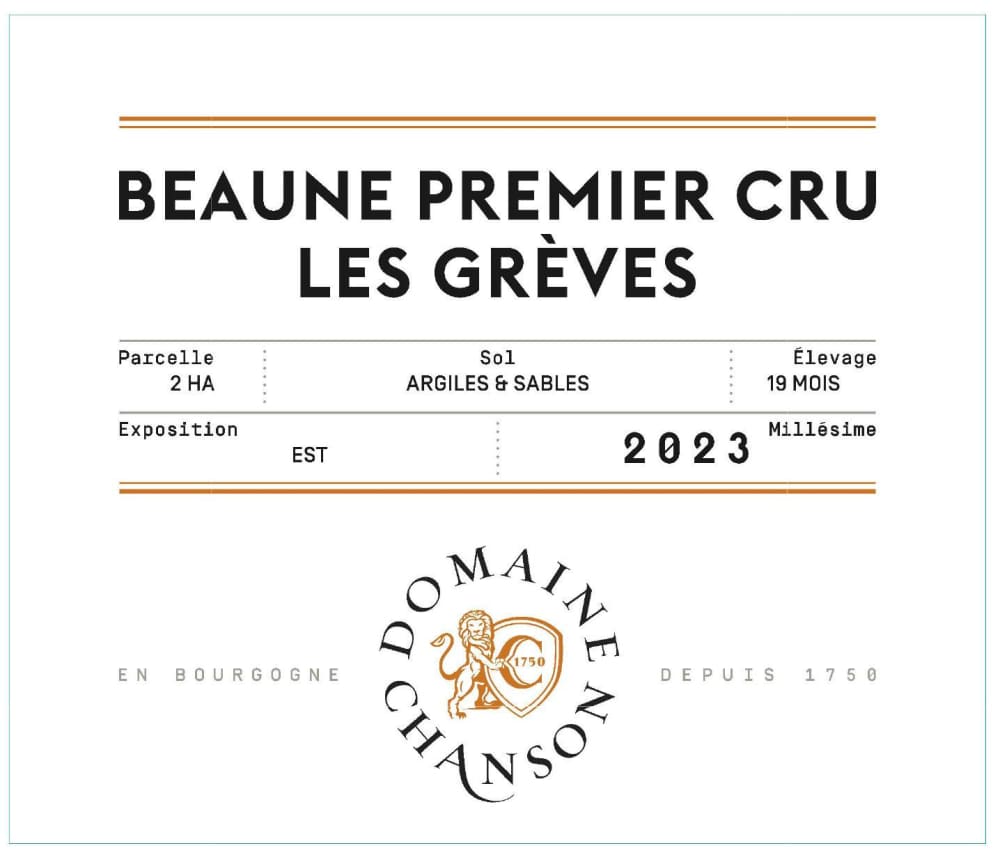
Another excellent selection is a Pinot Noir. Originating from Burgundy, this variety often exhibits bright cherry and raspberry notes, complemented by a soft finish. It’s versatile and pairs wonderfully with a range of dishes, from poultry to pasta.
Additionally, consider a Merlot. This grape tends to be rounder and fruit-forward, offering flavors of plum, blackberry, and chocolate. Its approachable nature makes it a favorite among casual drinkers.
For a touch of sweetness, a Zinfandel can be an enjoyable option, with its jammy fruit flavors and hints of spice. Its smoothness and rich character make it easy to sip on its own or with hearty meals.
Choosing a Smooth Option
If you’re looking for a softer choice, consider a Zinfandel. Known for its fruity character, it often carries notes of blackberry, raspberry, and spice, making it approachable without the harsh tannins.
Other Suitable Selections
Several varieties can fit the bill if you desire a gentle sip:
- Merlot: This variety is celebrated for its smoothness and flavors of plum and chocolate.
- Grenache: Often fruity and slightly spicy, it offers a delightful experience without overwhelming dryness.
- Pinot Noir: A lighter option, this grape showcases bright cherry and earthy notes, making it a favorite for those who prefer a less tannic profile.
Tips for Selection
When selecting your bottle, consider these aspects:
- Avoid wines labeled as “reserve” or “extra aged,” as these often carry more tannins.
- Look for descriptions mentioning “fruit-forward” or “medium-bodied” for a softer palate.
- Ask for recommendations based on your taste preferences at your local wine shop.
Identifying Semi-Sweet Red Wine Varietals
If you’re seeking a less tannic option, consider Zinfandel. This grape variety often exhibits fruity notes, making it naturally sweeter than many other selections. Look for examples from California, where the climate enhances its juicy characteristics.
Merlot is another excellent choice. Known for its softness, it frequently carries hints of plum and blackberry, offering a pleasant sweetness without overwhelming dryness. Regions like Bordeaux and California produce exceptional bottles worth trying.
Look into Lambrusco for a sparkling alternative. This Italian varietal can be semi-sweet, with flavors ranging from cherry to raspberry, providing a refreshing experience. Opt for the Amabile style for a balanced sweetness.
Another intriguing option is Dornfelder, a German grape that often delivers a fruit-forward profile with moderate sweetness. It’s gaining popularity for its smooth texture and rich berry flavors.
Lastly, consider Pinot Noir, particularly those from warmer climates. These wines can possess a fruit-driven profile with subtle sweetness, making them approachable and enjoyable for those who prefer less astringency.
Understanding Residual Sugar Levels in Red Wines
For a softer experience, seek options with residual sugar (RS) levels ranging from 2 to 10 grams per liter. These selections offer a pleasant balance, enhancing fruitiness without overwhelming sweetness. Look for specific varietals like Zinfandel or Lambrusco; they often feature higher RS, resulting in a more approachable profile.
When examining labels, terms such as “off-dry” or “semi-sweet” indicate higher sugar content. These descriptors guide you toward choices that maintain a pleasant taste without being cloying. A wine with 5 grams of sugar can taste very different from one with 15 grams, so understanding these nuances is essential.
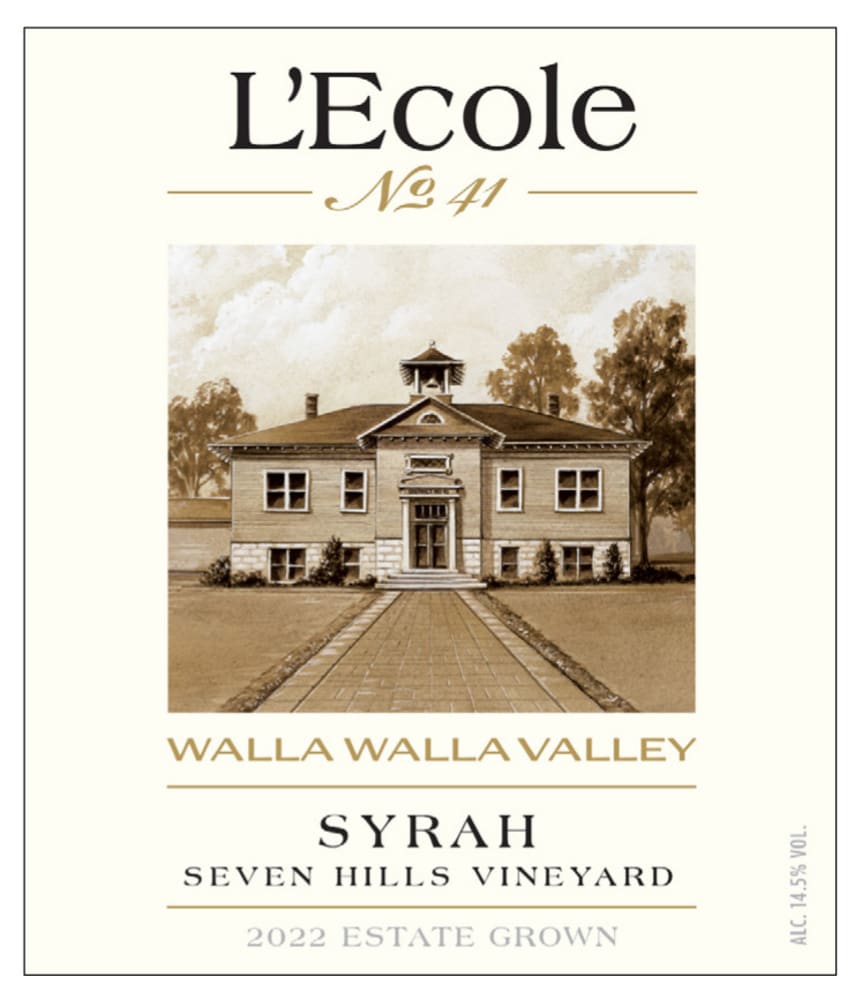
Another factor to consider is the acidity level. Wines with higher acidity can balance residual sugar, making the overall flavor feel less sweet. For instance, a fruity Syrah with a bit of RS might feel refreshing rather than sugary due to its acidity. Thus, check for those characteristics in the tasting notes.
Lastly, exploring regions known for producing softer styles can yield great finds. Areas like California or certain Italian regions often cultivate grapes that naturally develop higher sugar levels, resulting in wines that cater to those desiring a sweeter palate. Always ask for recommendations based on these criteria to enhance your selection process.