Chuck Furuya

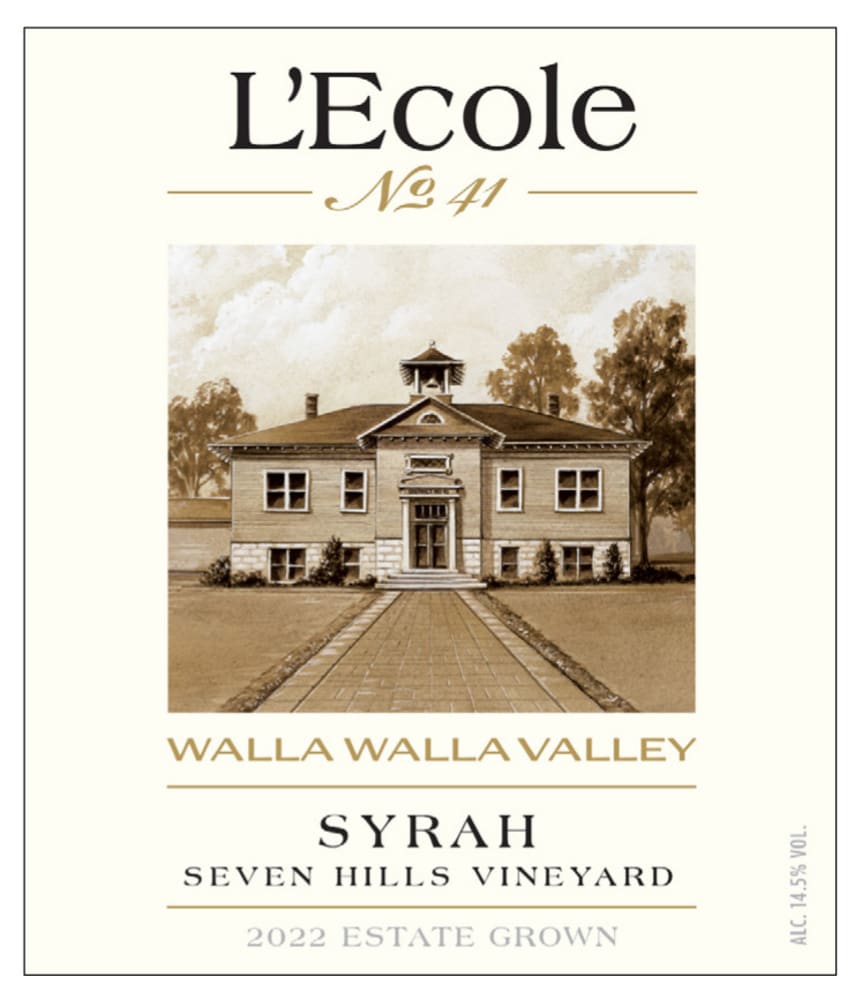
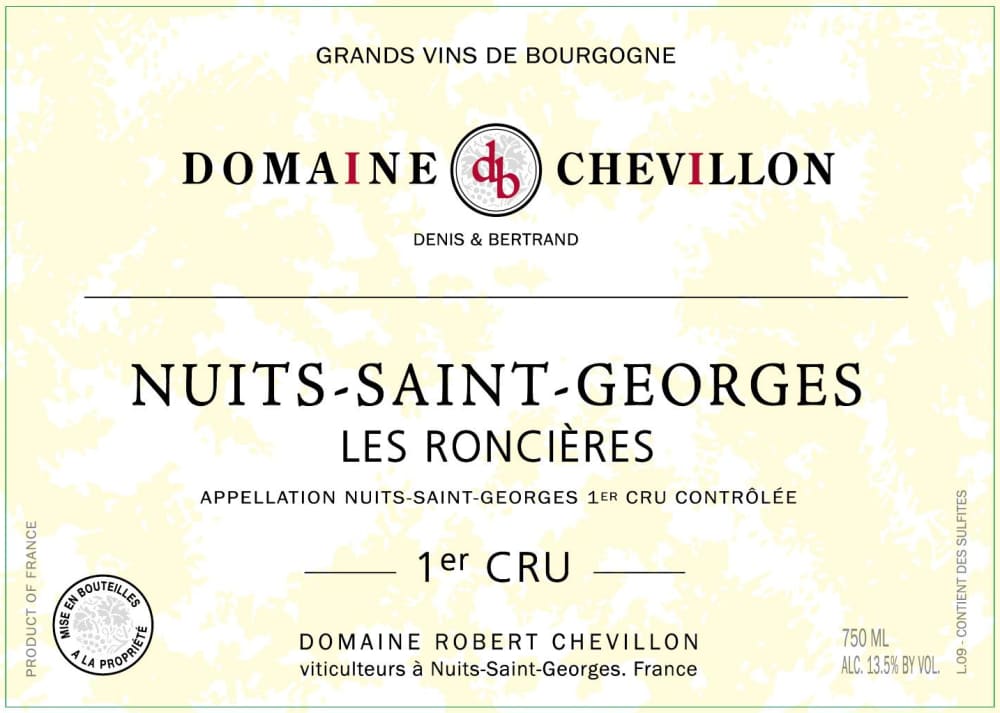

To identify a robust crimson drink, focus on three key attributes: alcohol content, tannin levels, and flavor concentration. Typically, a higher alcohol percentage, usually above 13.5%, contributes to the richness and warmth of the experience. Varietals like Cabernet Sauvignon and Syrah often exemplify this trait.
Tannins, derived from grape skins, seeds, and stems, play a crucial role in creating a full-bodied sensation. A well-structured profile will present a noticeable astringency, which adds depth and complexity. Look for wines where the tannins are integrated and balanced, enhancing rather than overwhelming the palate.
Lastly, the flavor intensity is paramount. Full-flavored options often showcase dark fruit notes, such as blackberries or plums, along with secondary elements like spices, earthiness, or oak influence. These intricate layers elevate the tasting experience, leaving a lasting impression. Seek out examples from regions known for their bold expressions, such as Napa Valley or Barossa Valley, to truly appreciate the depth of character.
What Contributes to a Rich and Bold Red Beverage
To achieve a robust and full-flavored experience, consider the following elements:
- Grape Variety: Certain varietals like Cabernet Sauvignon, Syrah, and Malbec naturally possess higher tannin levels and fuller profiles.
- Tannin Content: Elevated tannins from grape skins and seeds create structure and mouthfeel, enhancing the perception of body.
- Alcohol Level: A higher alcohol content often correlates with a bolder taste. Aim for wines with at least 13.5% alcohol for a richer experience.
- Oak Aging: Barrel maturation adds complexity and depth, introducing flavors of vanilla, spice, and smoke that contribute to a fuller sensation.
- Fruit Concentration: Wines made from overripe or late-harvest grapes often exhibit intense fruit flavors, enhancing richness.
When selecting a wine, look for these characteristics to ensure a satisfying and layered tasting experience. A rich and bold profile often leads to a more memorable encounter with each sip.
Understanding the Definition of Full-Bodied Red Wine
To identify a robust and intense pour, I focus on several key aspects. The concentration of flavors plays a significant role; a higher sugar content from ripe grapes typically results in a luscious profile. Varietals like Cabernet Sauvignon, Syrah, and Malbec often showcase this characteristic due to their thick skins and bold fruit flavors.
Another element is the aging process. Aged varieties, especially those matured in oak barrels, acquire depth through interaction with wood, which imparts tannins and complexity. I appreciate how the tannins contribute to the mouthfeel, creating a structure that envelops the palate, enhancing the overall experience.
Alcohol Content and Weight
Alcohol levels also influence the perception of richness. A pour with an alcohol content above 14% generally feels fuller, adding to the weight on the palate. This warmth complements the fruitiness and balances the acidity, leading to a harmonious finish.
Acidity and Finish
Lastly, I consider the acidity. A well-integrated acidity can elevate a robust pour, preventing it from feeling too heavy. A long, lingering finish is often the hallmark of a truly sophisticated selection, leaving a memorable impression on the senses.
By evaluating these factors, I can appreciate the intricacies of a rich pour, enhancing my overall tasting experience.
Key Grapes that Contribute to Full-Bodied Characteristics
Cabernet Sauvignon stands out due to its high tannin levels and rich structure. This varietal often displays dark fruit flavors, such as blackberry and blackcurrant, complemented by notes of cedar and tobacco from oak aging. These attributes create a robust mouthfeel and a long finish.
Syrah, known for its boldness, brings complexity with flavors of dark fruits, black pepper, and smoky undertones. Its full texture and firm tannins make it a favorite for those seeking depth in their glass. Regions like the Rhône Valley and Australia’s Barossa Valley produce exceptional examples of this grape.
Malbec, particularly from Argentina, offers a plush mouthfeel with juicy dark fruit flavors and moderate acidity. The combination of ripeness and oak aging adds layers of chocolate and spice, enhancing its opulent character.
Merlot, often underappreciated, can deliver a rich experience when sourced from regions like Bordeaux or California. Its softer tannins and fruit-forward profile, featuring plum and cherry, provide an approachable yet satisfying option that can exhibit full-bodied qualities.
Tempranillo, especially from Spain, showcases a unique balance of fruit and earthiness. It typically features cherry and leather notes, with aging in oak contributing to its round texture and complexity, making it a compelling choice for those seeking richness.
Grenache offers fruitiness with a hint of spice, often found in blends. When grown in warm climates, it can develop a full-bodied character, delivering flavors of ripe strawberries and subtle herbal notes, enhancing the overall profile of the blend.
The Role of Alcohol Content in Full-Bodied Wines
Alcohol concentration significantly influences the perception of richness in a beverage. For those seeking a robust experience, I recommend looking for options with alcohol levels typically ranging from 13.5% to 15.5%. These figures often correlate with a more intense mouthfeel and an amplified flavor profile.
Factors Influencing Alcohol Levels
- Grape variety: Certain varietals naturally yield higher sugar content, which translates into elevated alcohol percentages post-fermentation.
- Climate: Grapes grown in warmer climates tend to achieve greater ripeness, leading to increased sugar accumulation and, subsequently, higher alcohol levels.
- Winemaking techniques: Choices like extended maceration or late harvesting can enhance sugar levels, directly affecting the final alcohol content.
Impact on Flavor and Texture
Elevated alcohol not only contributes to the body but also affects the overall flavor complexity. A higher alcohol content can enhance the perception of sweetness and richness, balancing tannins and acidity. This interplay creates a harmonious drinking experience, ideal for pairing with hearty dishes.
In conclusion, when selecting a potent option, consider the alcohol content as a key factor in achieving a satisfying and full-flavored experience. This can elevate your enjoyment and appreciation of the beverage’s nuances.
Impact of Tannins on the Body of Red Wine
Tannins play a pivotal role in defining the structure and mouthfeel of a robust vintage. These polyphenolic compounds, derived from grape skins, seeds, and stems, contribute to a wine’s astringency and complexity. Higher tannin levels often correlate with a fuller sensation on the palate, providing a backbone that enhances overall richness.
During the fermentation process, extended maceration–where grape skins remain in contact with the juice–can lead to elevated tannin extraction. This technique is particularly effective with varietals like Cabernet Sauvignon and Syrah, resulting in a denser and more layered profile. The choice of aging vessels also affects tannin integration; oak barrels introduce additional tannins, softening the overall texture while imparting flavors of vanilla and spice.
Influence on Aging Potential
The presence of tannins not only shapes immediate taste but also influences the aging potential of a vintage. Wines with higher tannin content generally benefit from cellaring, as these compounds soften over time, allowing flavors to evolve and harmonize. As I taste aged selections, I notice how well-integrated tannins can lead to a velvety finish, enhancing the overall drinking experience.
Balancing Acidity and Fruit
For a well-rounded profile, tannins must be balanced with acidity and fruit characteristics. A prominent acidity can counteract excessive astringency, creating a harmonious interaction that elevates the wine’s body. When selecting a bottle, I look for a balance where tannins support the fruit without overwhelming it, ensuring a pleasurable sip from start to finish.
How Oak Aging Influences Full-Bodied Red Wine
Choosing oak barrels for aging significantly enhances the character of certain wines. The wood contributes flavors such as vanilla, spice, and toasted notes, which can create a richer palate experience. The interaction between the wine and the oak allows for the infusion of these complex aromas, creating a depth that is often sought after in wines with a robust profile.
The degree of toasting on the barrels plays a crucial role in flavor development. Lightly toasted barrels will impart subtle notes, while heavily toasted ones can offer bolder flavors. This choice is essential for winemakers aiming for a particular taste profile that complements the natural characteristics of the grapes used.
Oxygen exposure during aging in oak barrels is another factor that contributes to the perceived fullness of the wine. The slow micro-oxygenation process softens tannins and enhances mouthfeel, leading to a smoother and more rounded experience on the palate. This is especially beneficial for varietals that typically have higher tannin levels.
The duration of aging also impacts the final product. Longer aging in oak can intensify the integration of flavors and soften the wine’s structure, resulting in a more harmonious blend of elements. However, finding the right balance is crucial; over-aging can lead to overpowering oak influence, overshadowing the fruit’s inherent qualities.
In summary, the choice of oak, the toasting level, the aging duration, and the interaction between the wine and the wood are pivotal in crafting a wine that delivers a rich, complex, and satisfying experience. Careful consideration of these factors helps to elevate the overall quality and fullness of the final product.
The Significance of Fruit Concentration in Full-Bodied Wines
High fruit concentration is a defining feature of robust wines, enhancing depth and complexity. Grapes with thick skins, such as Cabernet Sauvignon and Syrah, yield more intense flavors and darker hues, contributing to a rich mouthfeel. The ripeness of the fruit plays a crucial role; overripe grapes develop jammy flavors, while perfectly ripe ones offer a balance of sweetness and acidity.
Factors Affecting Fruit Concentration
Several factors influence the concentration of fruit in wines:
| Factor | Impact |
|---|---|
| Climate | Warmer climates enhance sugar levels, leading to richer flavors. |
| Soil Type | Mineral-rich soils can add complexity to the fruit profile. |
| Viticulture Practices | Yield management and canopy management help maximize fruit quality. |
Tasting Notes and Food Pairings
A wine with concentrated fruit notes often exhibits flavors of ripe berries, plums, and cherries, along with hints of spice and herbal nuances. These characteristics pair exceptionally well with hearty dishes such as grilled meats, rich stews, and aged cheeses, allowing the wine to complement and elevate the flavors of the meal.
FAQ:
What factors contribute to a red wine being classified as full-bodied?
A red wine is generally classified as full-bodied based on several key factors, including its alcohol content, tannin levels, and the concentration of flavors. Full-bodied red wines typically have higher alcohol levels, often ranging from 13.5% to 15% or more. The tannins, which come from the grape skins and seeds, provide structure and a sense of weight in the mouth. Additionally, full-bodied wines often feature rich, concentrated flavors derived from ripe grapes, extended maceration, and sometimes oak aging, all of which enhance the wine’s complexity and mouthfeel.
How does the aging process affect the body of red wine?
The aging process can significantly influence the body of red wine. As wine ages, the tannins soften, which can lead to a smoother mouthfeel. However, in full-bodied wines, the presence of robust tannins often remains, contributing to a rich texture. Aging in oak barrels can also impart additional flavors and complexity, enhancing the wine’s body. Over time, the interactions between the wine and the barrel can introduce nuances that complement the wine’s inherent structure, leading to a more harmonious and fuller experience on the palate.
Are there specific grape varieties associated with full-bodied red wines?
Yes, certain grape varieties are more commonly associated with full-bodied red wines. For instance, Cabernet Sauvignon, Syrah (Shiraz), Malbec, and Zinfandel are known for their bold flavors and higher tannin levels. These grapes typically produce wines that have the depth and intensity characteristic of a full-bodied profile. The climate in which the grapes are grown also plays a role; warmer regions tend to produce riper grapes with higher sugar content, leading to fuller-bodied wines once fermentation occurs.
Can food pairing enhance the experience of full-bodied red wines?
Absolutely, food pairing can enhance the experience of full-bodied red wines significantly. The rich and robust flavors of these wines often complement hearty dishes like grilled meats, stews, or aged cheeses. The tannins in the wine can help cut through the richness of fatty foods, creating a balanced palate experience. For instance, a full-bodied Cabernet Sauvignon pairs wonderfully with a juicy steak, as the flavors of the wine and food interact, enhancing each other. Choosing the right food can elevate the overall tasting experience.
What is the significance of tannins in full-bodied red wines?
Tannins are crucial in defining the structure and mouthfeel of full-bodied red wines. They contribute to the wine’s astringency and can affect how the wine is perceived on the palate. In full-bodied wines, the higher tannin levels provide a backbone that supports the wine’s weight and intensity. Tannins also play a role in the aging potential of the wine, as they can help preserve the wine over time. With aging, the tannins can soften, leading to a smoother texture while maintaining the wine’s fullness. This balance of tannins and body is key to a satisfying drinking experience.
What factors contribute to a red wine being classified as full-bodied?
A red wine is considered full-bodied primarily due to its higher levels of alcohol, tannins, and extract. Alcohol content typically ranges from 13.5% to 15% or higher, which adds weight to the wine. Tannins, derived from grape skins, seeds, and oak barrels, provide structure and a sense of astringency. Additionally, a full-bodied wine often has a rich concentration of flavors from ripe fruit, spices, and oak aging, resulting in a more intense mouthfeel. Wines made from grape varieties like Cabernet Sauvignon, Syrah, and Zinfandel are commonly associated with a full-bodied profile.
How does the winemaking process affect the body of a red wine?
The winemaking process plays a significant role in determining the body of red wine. Techniques such as extended maceration, where the grape skins remain in contact with the juice for a longer time, can enhance the extraction of color, tannins, and flavor compounds. Oak aging is another crucial factor; using new oak barrels can impart additional tannins and flavors, contributing to a fuller body. Additionally, the choice of fermentation temperatures and yeast strains can influence the wine’s texture and complexity, ultimately affecting its overall body.
Are there specific grape varieties that are known for producing full-bodied red wines?
Yes, certain grape varieties are renowned for their full-bodied characteristics. Cabernet Sauvignon is one of the most notable, known for its bold flavors and high tannin content. Syrah (or Shiraz), particularly from regions like Barossa Valley, also produces rich, full-bodied wines with dark fruit and pepper notes. Other varieties include Malbec, which often features ripe fruit and a velvety texture, and Tempranillo, especially from regions like Rioja, where it offers depth and complexity. These grapes thrive in warmer climates, which helps achieve the ripeness necessary for full-bodied wines.
How can I tell if a red wine is full-bodied just by looking at it or smelling it?
While visual and olfactory cues can provide hints, the definitive assessment of a wine’s body often comes from tasting it. However, there are some indicators to consider. In the glass, a full-bodied red wine tends to have a deeper, more intense color, often appearing opaque. When swirling the wine, you may notice that it clings to the sides of the glass, indicating higher viscosity. Aromatically, full-bodied wines often present pronounced aromas of ripe fruits, spices, and oak. If the scent is rich and layered rather than light and floral, it may suggest a fuller body. Ultimately, tasting the wine is the best way to confirm its body.