Chuck Furuya

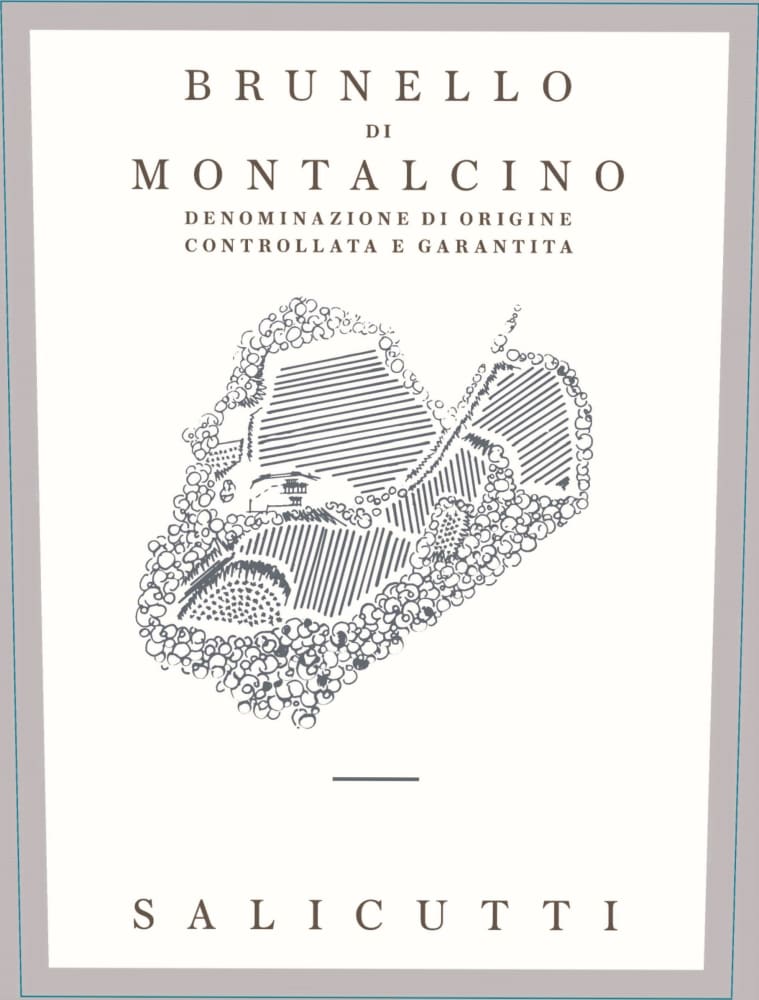
Consider visiting regions renowned for their exceptional beverages, particularly those that reflect the unique character of their surroundings. Countries like Italy, France, and Spain offer a plethora of options, each with distinct profiles and storied histories. Wine enthusiasts should prioritize areas such as Tuscany for its Sangiovese, or Bordeaux for a rich Merlot experience.
Engage with local producers to gain insights into their crafting processes. Tours often include tastings, allowing for an immersive experience that highlights the nuances of each varietal. For instance, the vineyards of Napa Valley provide not only stunning vistas but also opportunities to sample limited releases directly from the source.

To enhance the experience, pair your selections with regional cuisine. Dishes that complement the local flavors can elevate the tasting experience significantly. Knowledgeable sommeliers can offer guidance on perfect pairings, ensuring a memorable culinary journey.
Understanding Regional Water Quality and Its Impact on Wine Flavor
Assessing the mineral composition is critical for determining how it affects grape cultivation and ultimately influences the profile of the final product. Different regions possess unique geologies, which can significantly alter the chemical makeup of the liquid used in irrigation. For instance, high levels of calcium may enhance the structure and complexity of certain varietals, while elevated sulfur can impart distinct aromas and flavors.
Mineral Profiles and Terroir
Analyzing local mineral profiles reveals valuable insights into flavor nuances. For example, regions rich in potassium often yield smoother, fruitier wines, whereas those with higher magnesium levels can produce more mineral-driven, crisp profiles. Conducting soil tests alongside water analysis can provide a comprehensive view of how these elements interact with the vines and affect flavor development.
Microbial Influences
Microbial activity in irrigation sources also plays a role in flavor. Specific bacteria and yeast present can lead to varied fermentation characteristics, influencing the mouthfeel and aromatic complexity of the beverage. Regions with clean, filtered sources tend to produce more refined expressions, while those with diverse microbial ecosystems might yield more varied and unique flavor profiles. Regular monitoring of water quality is essential for winemakers aiming for consistency in their products.
Exploring the Connection Between Terroir and Water Sources in Winemaking
Understanding the significance of specific hydrological conditions in viticulture is vital for cultivating exceptional grape varieties. Analyze the geographical and geological factors that influence both the soil and the liquid sources in any given region. Each area’s unique composition affects the flavor profile of the grapes, leading to distinctive characteristics in the final product.
Consider these key factors when examining the interplay between terroir and hydric origins:
- Mineral Content: The presence of minerals in the liquid significantly impacts the grapes’ growth. For instance, high calcium levels can enhance the acidity and structure of the grapes, whereas magnesium may contribute to aromatic complexity.
- pH Levels: Monitoring the acidity levels of the hydric sources is crucial. Lower pH levels can lead to grapes with more pronounced acidity, influencing the overall taste and aging potential of the beverage.
- Temperature Regulation: Bodies of water near vineyards can moderate temperature fluctuations, protecting vines from extreme conditions. This consistent temperature is vital for ripening grapes evenly, thereby enhancing flavor development.
- Water Availability: Assess the water availability throughout the growing season. Regions with sufficient water supply during dry spells can produce fruit with greater concentration and complexity, while drought conditions may stress vines, leading to lower yields but potentially higher quality.
Engaging with local winemakers allows for a deeper understanding of how they adapt to their specific hydrological circumstances. Their insights can reveal practical techniques for optimizing grape cultivation in relation to both soil and hydric factors. For example, some may implement irrigation strategies that mimic natural hydrological patterns to maintain optimal growth conditions.
Ultimately, the intricate relationship between this essential resource and land characteristics creates a distinct fingerprint on each vintage. By closely observing these interactions, one can appreciate the true essence of the craft and the unique flavor profiles that emerge from different regions.
Choosing Destinations for Wine Tours Based on Water Characteristics
To experience the best of viniculture, prioritize regions where the quality of local springs and rivers enhances grape growth. Regions such as Napa Valley, California, are renowned for their mineral-rich aquifers, which contribute to the unique profiles of their varietals. Consider visiting here for a firsthand taste of how natural elements influence flavor.
Regions with Distinct Mineral Content
Look for destinations with high mineral content in their hydration sources. For instance, the Loire Valley in France offers wines that express the terroir through its diverse geology and water sources. The chalky soils and limestone springs lead to crisp whites and elegant reds, making it a prime location for enthusiasts.
Temperature and Water Interaction
Another critical factor is the temperature of the natural resources. Cooler climates, such as those found in Burgundy, France, allow for slower ripening of grapes, resulting in complex flavors. Exploring these cooler areas can reveal how temperature interacts with moisture levels, ultimately impacting the final product’s taste.
Seek out tours that focus on these specific characteristics. Engaging with local vintners during tastings can provide deeper insights into how their water sources shape the wines you enjoy.