Chuck Furuya
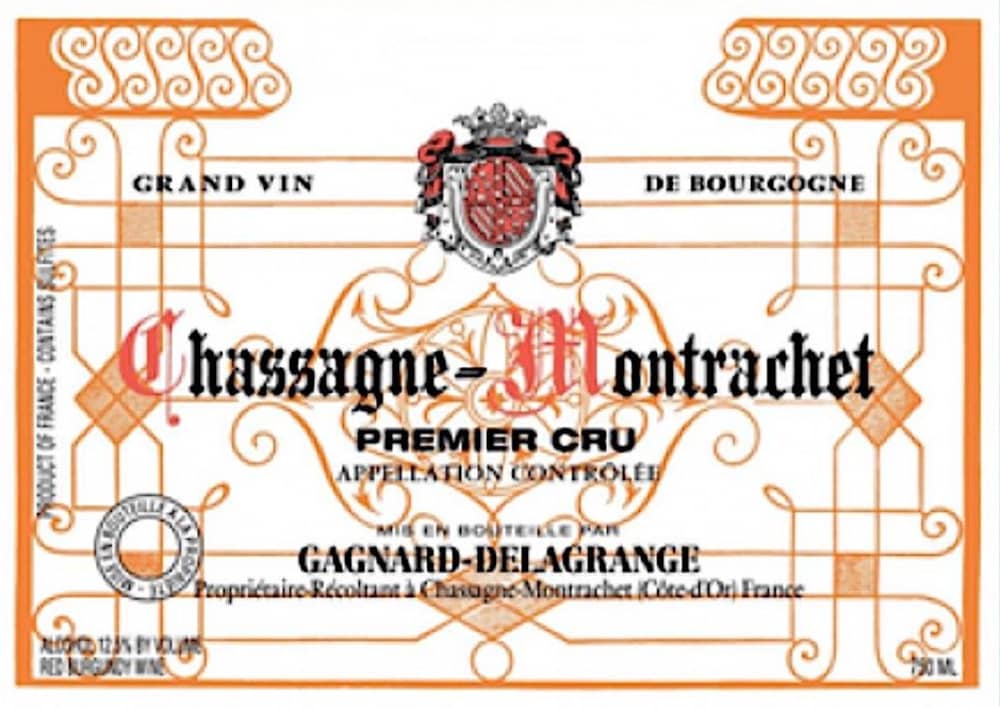
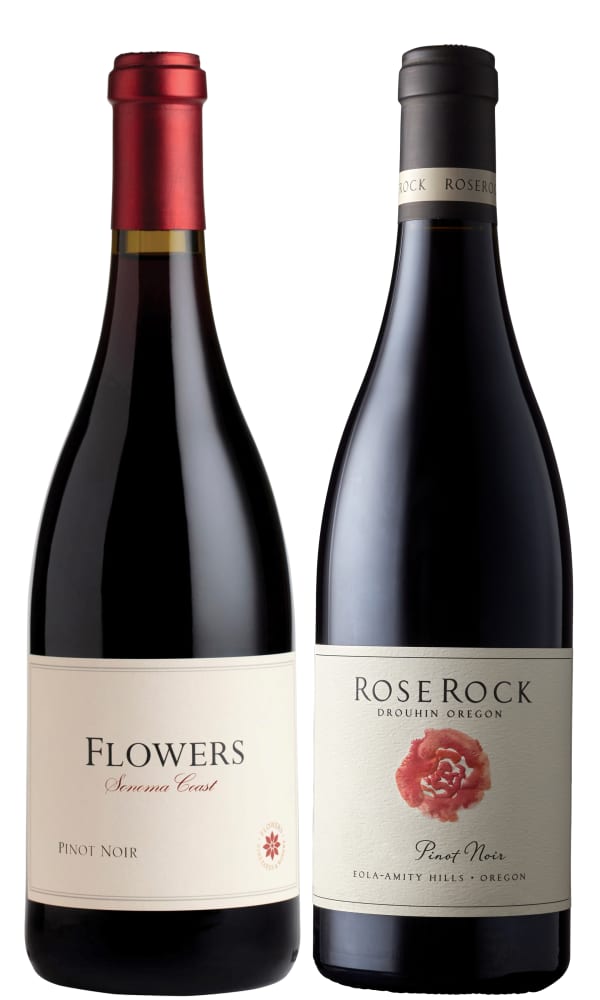
For a delightful experience, I highly recommend trying a Pinot Noir from Oregon’s Willamette Valley. This varietal is celebrated for its silky texture and balanced acidity, making it a favorite among those seeking a refined and enjoyable sip.
Another excellent option is a Merlot from California’s Napa Valley. Known for its plush mouthfeel and rich fruit flavors, it provides a luscious drinking experience that is both satisfying and approachable. Look for bottles that are aged in oak barrels, as they often exhibit an added layer of complexity.
When exploring alternatives, consider a Grenache from Spain’s Rioja region. This wine often presents a ripe berry profile with a smooth finish, making it a versatile choice for various occasions. Pair it with grilled meats or savory dishes to enhance its charm.
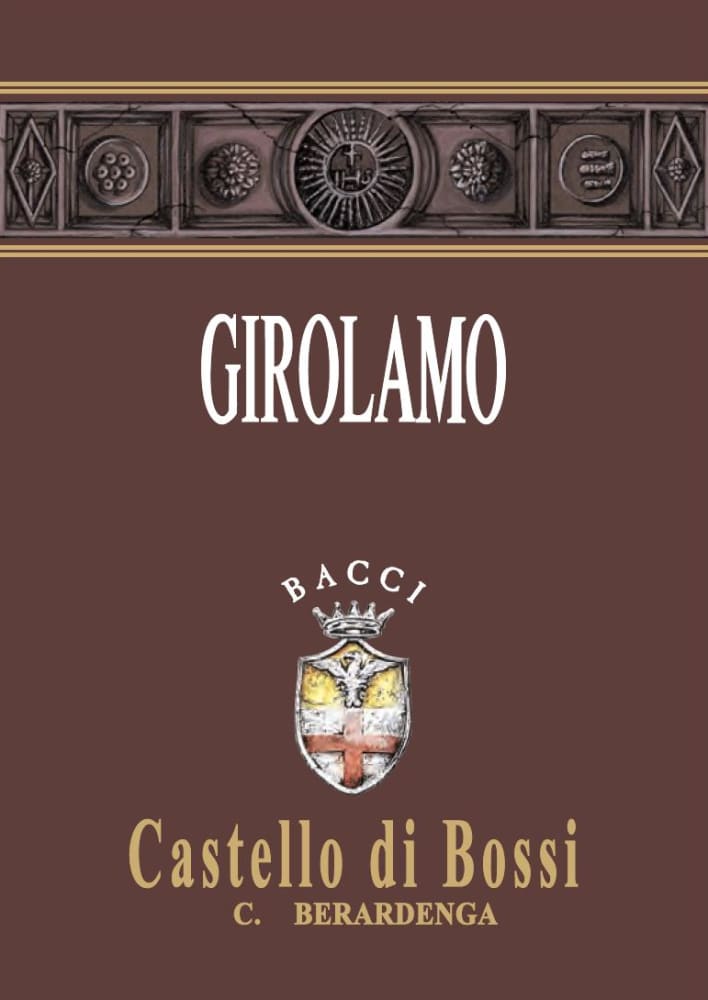
For a unique twist, seek out a Zinfandel that showcases a velvety finish. The bold fruit character complemented by subtle spice notes creates an inviting profile that is hard to resist. Enjoy it alongside a charcuterie board for a delightful pairing.
Characteristics of Smooth Red Wines
To identify a velvety beverage, I focus on several key attributes. First, the mouthfeel plays a significant role; it should feel soft and rich, coating the palate without overwhelming it. A silky texture often indicates a well-integrated structure, where tannins are seamlessly blended, providing a pleasant sensation rather than a harsh one.
Next, I consider the flavor profile. A harmonious balance of fruitiness and subtle complexities is essential. Ripe berries, cherries, or plums often dominate, complemented by gentle notes of spice, chocolate, or vanilla derived from oak aging. The absence of aggressive acidity is noticeable, allowing the flavors to evolve gracefully.
Another aspect I observe is the finish. A prolonged, clean finish signals quality. I appreciate when flavors linger, gradually fading and leaving a satisfying aftertaste that invites another sip.
Additionally, the alcohol content can influence the overall experience. A moderate level, typically around 12-14%, contributes to balance without overpowering the other elements. This ensures that the drink remains approachable and enjoyable across various occasions.
Finally, I explore the origin and varietal. Certain grapes, like Merlot or Pinot Noir, are known for their smooth characteristics, often yielding wines that embody the qualities I seek. Exploring different regions can also reveal unique expressions that align with my preferences.
Popular Varieties of Smooth Red Wines
For a delightful experience, I recommend exploring the following grape varieties that excel in their velvety texture:
- Merlot: Renowned for its plush mouthfeel, this variety offers flavors of plum, black cherry, and chocolate. It pairs well with roasted meats and pasta dishes.
- Pinot Noir: Known for its light body and silky tannins, it presents notes of red berries, earthiness, and subtle spices. Ideal with grilled salmon or duck.
- Grenache: With a fruity and juicy profile, this grape often features flavors of raspberry and white pepper. A great match for Mediterranean cuisine.
- Zinfandel: This variety showcases a rich and smooth character, delivering jammy fruit flavors and a hint of spice. Perfect for barbecued meats.
- Tempranillo: Often found in Spanish wines, it combines a smooth texture with hints of dark fruits and leather, making it excellent with tapas or grilled vegetables.
Each of these selections presents unique characteristics that contribute to a luxurious tasting experience, making them perfect for various pairings and occasions.
Factors Influencing Wine Smoothness
To achieve a velvety texture in a fermented beverage, several elements come into play. The balance between acidity and sweetness is paramount; a harmonious relationship amplifies the pleasurable sensations on the palate. Low acidity levels often contribute to a softer mouthfeel, while a hint of residual sugar can enhance roundness.
Tannins, derived from grape skins, seeds, and oak aging, are central to the structure. Softer tannins are key; they create a gentle sensation rather than astringency. Choosing varieties with lower tannin levels or opting for aging techniques that minimize tannin extraction can lead to a more approachable profile.
The influence of oak aging cannot be overlooked. Barrels impart flavors and contribute to a smoother experience by integrating tannins and adding complexity. The choice of oak type and the duration of aging can significantly impact the final result, with lightly toasted barrels usually yielding softer characteristics.
Temperature also plays a role in the overall perception of texture. Serving slightly warmer than standard can enhance the perception of body and smoothness, allowing for the flavors to unfold more gracefully.
Lastly, the winemaking process, including techniques such as malolactic fermentation, can soften acidity and provide a richer experience. This secondary fermentation converts sharp malic acid into softer lactic acid, resulting in a creamier mouthfeel.
How to Identify Smooth Red Wines in Stores
To pinpoint a velvety option while browsing shelves, focus on labels that feature terms like “soft,” “lush,” or “round.” These descriptors often indicate a pleasing mouthfeel and lower tannin levels. Additionally, seek out bottles from regions known for producing approachable varietals, such as California or certain areas in Italy.
Checking the Vintage
You may find that younger selections, particularly those from recent harvests, tend to exhibit a more palatable profile. Look for wines aged less than two years, as they often retain fruity characteristics and a smoother texture.
Reading the Back Label
Examine the back label for tasting notes. Terms like “juicy,” “fruity,” or “easy-drinking” are strong indicators of a pleasant experience. Additionally, references to the use of oak aging can hint at a richer flavor without overwhelming tannins.
Best Food Pairings for Smooth Red Wines
For a delightful dining experience, consider pairing grilled meats with a velvety beverage. The charred flavors of steak or lamb complement the rich profile beautifully, enhancing both the dish and the drink.
Pasta dishes featuring creamy sauces or tomato-based elements also work well. The acidity in the sauce balances the softness of the beverage, creating a harmonious flavor profile. I recommend trying a classic spaghetti with marinara or a fettuccine Alfredo.
Cheese lovers should opt for mild varieties like Brie or Gouda. These cheeses accentuate the wine’s roundness, making for a luxurious tasting experience. A cheese platter can serve as an excellent appetizer or a standalone delight.
Vegetarian dishes such as roasted vegetables or mushroom risotto provide an earthy counterpoint. The umami in mushrooms particularly amplifies the drink’s texture, bringing out its deeper notes.
When it comes to desserts, consider dark chocolate or berry tarts. The richness of the chocolate or the tartness of berries create a pleasing contrast, rounding out the meal perfectly.
Don’t forget about spice! Dishes with moderate spice, like Moroccan tagines, can also be a wonderful match, as the warmth and complexity of the spices play off the beverage’s character.