Chuck Furuya

Begin your sensory exploration with a focus on the aroma and taste profile. Look for notes of dark fruits such as black cherry, plum, and blackberry, which often dominate the palate. These elements can be complemented by hints of spice like black pepper or clove, adding depth to the experience.
As you savor the liquid, pay attention to the subtle undertones. You might encounter earthy characteristics such as tobacco, leather, or even forest floor, which can provide a grounding element to the overall profile. Additionally, consider the influence of oak aging; flavors like vanilla, mocha, or cedar can emerge, enhancing the complexity of the sip.
Don’t overlook the importance of acidity and tannins in shaping the mouthfeel. A well-balanced composition can lead to a smoother finish while highlighting the fruitiness. Note how these components interplay, offering a refreshing quality that invites another taste.
Finally, reflect on the wine’s finish. A lingering aftertaste can reveal additional layers of flavor, such as dark chocolate or dried herbs, which often leave a lasting impression. This final aspect is crucial in assessing the quality and character of the selection.
Articulating Tastes in Dark Varietals
Concentrate on the sensations that dance on your palate. Look for specific notes such as black cherry, plum, or raspberry. Each sip may evoke nuances of chocolate or coffee, particularly in more robust selections. Pay attention to hints of spices like pepper, clove, or cinnamon that can enrich the experience.
Texture and Structure
Evaluate the mouthfeel; it can range from silky to gritty, contributing to the overall impression. Tannins play a significant role here, influencing the wine’s body. A smoother touch might indicate a more mature option, while a firmer grip suggests youthfulness. Acidity balances sweetness and adds freshness, enhancing the complexity.
Environmental Influence
Consider how the region and climate shape the essence. For instance, cooler climates often produce grapes with higher acidity and lighter flavors, while warmer zones yield bolder profiles. Terroir adds layers, evoking earthiness or minerality, which can be an intriguing aspect to explore.
Identifying Fruit Notes in Red Wine
Focus on the specific types of fruit aromas present in the beverage. Common notes include dark fruits like blackberries, cherries, and plums. When sampling, take a moment to swirl the glass and inhale deeply; this helps release the scents.
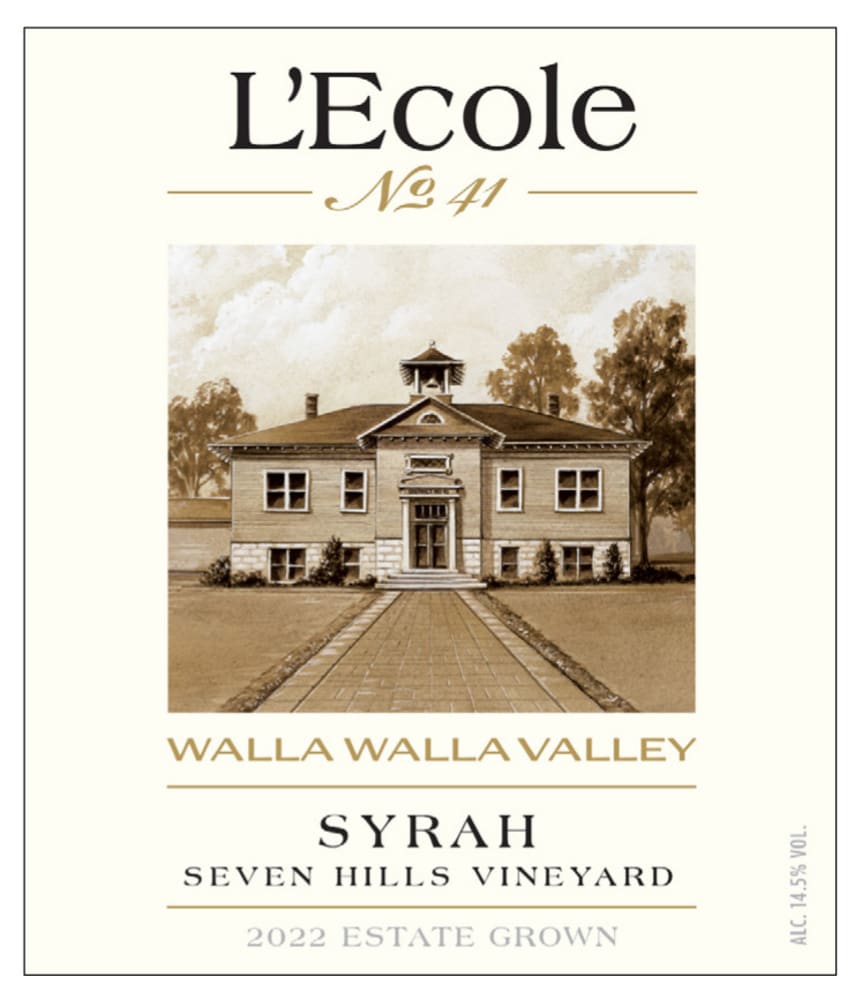
Different varietals offer distinct profiles. For instance, Cabernet Sauvignon often showcases blackcurrant and plum, while Merlot tends to highlight softer notes of raspberry and cherry. Syrah can reveal a blend of dark berries with a hint of spice.
Pay attention to the ripeness of the fruit. Ripe notes tend to be richer and sweeter, while underripe notes may present a more tart profile. This can also indicate the climate of the growing region, as warmer areas usually produce fruitier and riper characteristics.
Consider the influence of oak aging. This process can introduce additional nuances such as vanilla or baking spices, complementing the fruit elements. When tasting, recognize how these elements interplay, enhancing the overall experience.
Lastly, practice makes perfect. Regularly tasting various bottles will sharpen your ability to identify and articulate these fruit notes, enriching your appreciation of each pour.
Recognizing Earthy Undertones
When tasting, I often identify earthy undertones that bring depth to the experience. These notes can manifest as aromas reminiscent of wet soil, mushrooms, or even forest floor. To pinpoint these characteristics, I focus on the texture and aftertaste, as they frequently reveal the wine’s origin and terroir.
Connecting with these earthy elements requires a keen awareness of the wine’s body. A fuller-bodied option typically presents stronger earthy nuances. I recommend swirling the glass to release volatile compounds, which enhances the perception of these scents. Taking a moment to inhale deeply before tasting can help isolate the earthiness from other notes.
In specific varietals, such as Cabernet Sauvignon or Pinot Noir, the presence of these undertones can vary significantly. I pay attention to how the soil type influences the flavor profile. For instance, wines from regions with limestone or clay soil often exhibit pronounced earthy characteristics. Understanding the vineyard’s geology can enhance my appreciation of these subtleties.
During tastings, I engage with others to compare impressions. Sharing thoughts on earthy flavors can reveal different perspectives, enriching the overall experience. Keeping a tasting journal helps me track which wines exhibit these traits and under what conditions, further refining my palate over time.