Chuck Furuya

If you seek bold experiences, I recommend trying a Cabernet Sauvignon, particularly those from Napa Valley. These selections are renowned for their intense flavors, rich tannins, and full-bodied profiles. Look for bottles that have aged in new oak barrels, as they often present layers of complexity with notes of dark fruits, tobacco, and spice.
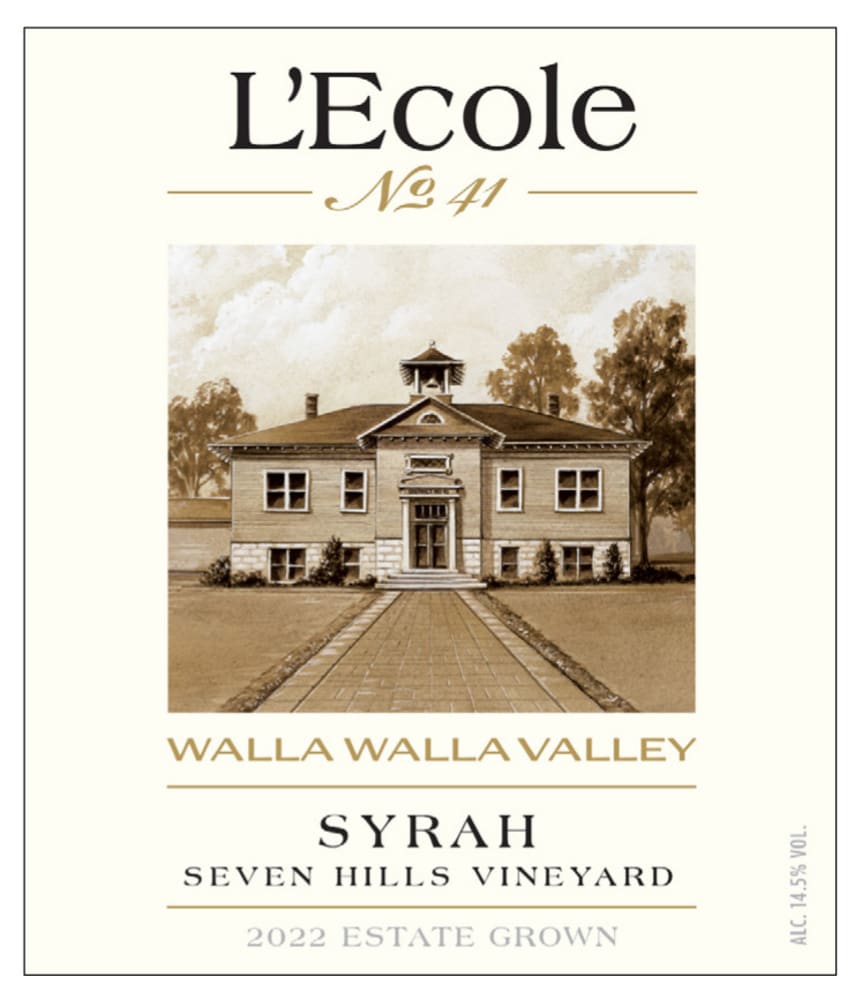
Another excellent option is Syrah, especially those from regions like Barossa Valley or the Rhône Valley. These wines typically showcase a robust structure, with flavors ranging from blackberries to pepper and smoke. The depth of these selections often makes them ideal for pairing with hearty dishes.
Malbec, particularly from Argentina, deserves mention for its concentrated fruit and velvety texture. These wines often deliver a lush mouthfeel, along with notes of plum, chocolate, and leather, making them a favorite for both novice and seasoned enthusiasts alike.
For a unique experience, consider a Petite Sirah. This varietal is known for its boldness and can offer intense flavors of dark fruit combined with peppery nuances. It’s a fantastic choice for those who appreciate a wine with a strong character and presence.
Choosing a Dense Red Varietal
For an experience packed with richness and intensity, I highly recommend exploring a Syrah from regions like Barossa Valley in Australia or a Napa Valley Zinfandel. These selections boast high tannins and robust flavor profiles, providing a full and satisfying mouthfeel.
Notable Recommendations
Look for a Shiraz from Penfolds, particularly the Grange label, which represents the pinnacle of this style. Alternatively, a Zinfandel from Turley Wine Cellars offers a perfect blend of bold fruitiness and spicy notes that linger on the palate.
Food Pairing Suggestions
These powerful varietals pair exceptionally well with rich dishes. Consider serving them alongside grilled meats or hearty stews. The complexity of their flavors complements the savory aspects of these meals, enhancing the overall dining experience.
When selecting, pay attention to alcohol content; wines exceeding 14% often indicate a denser profile. This aspect can significantly influence the weight and intensity of the drink, making it a key consideration in your choice.
Understanding Wine Body: Key Characteristics
To identify a rich and full-bodied option, focus on specific traits that define its character:
- Alcohol Content: Higher levels usually indicate a more robust experience. Look for vintages with 14% alcohol or more.
- Tannins: Astringent compounds from grape skins and seeds contribute to structure. Noticeable tannins create a sensation of weight on the palate.
- Flavor Intensity: Bold flavors such as dark fruits, chocolate, and spices signal a more substantial profile. Seek out those that exhibit depth and complexity.
- Body and Texture: A creamy or viscous mouthfeel enhances perception of richness. Pay attention to how it coats the mouth.
- Oak Influence: Aging in new oak barrels introduces additional flavors and texture, amplifying weight. Expect notes of vanilla, cedar, or smoke.
For a truly immersive experience, consider varieties like Cabernet Sauvignon, Syrah, or Malbec. Each offers a unique blend of the characteristics mentioned, providing a fulfilling tasting encounter.
Experiment with food pairings; hearty dishes like grilled meats or rich stews enhance the overall enjoyment and highlight the wine’s full potential.
Top Varietals Known for Full-Bodied Profiles
For those seeking powerful and intense flavors, certain grape varieties stand out. Cabernet Sauvignon is a prime choice, often characterized by its bold tannins and rich dark fruit notes. This variety thrives in regions like Napa Valley and Bordeaux, producing robust wines that age beautifully.
Syrah/Shiraz
Another excellent option is Syrah, also known as Shiraz in Australia. This grape offers a spectrum of flavors, from dark berries to spicy undertones. It is renowned for its full texture and complexity, often showcasing a mix of black pepper and smoky characteristics, particularly from regions like Barossa Valley and Rhône Valley.
Malbec
Malbec, particularly from Argentina, is celebrated for its deep color and rich fruit profile. Known for its velvety mouthfeel, it delivers flavors of plum, blackberry, and cocoa. Its structure and depth make it a favorite among enthusiasts seeking a weighty experience.
Regional Influences on Red Wine Body
Exploring regional characteristics reveals significant factors that shape the density and richness of wines. Terroir plays a vital role, with climate, soil, and geography influencing grape development and resulting flavors.
For instance, in warmer climates such as California’s Napa Valley, grapes tend to achieve higher sugar levels, leading to wines with pronounced richness. The heat allows for fuller maturation, contributing to deeper flavors and more robust textures.
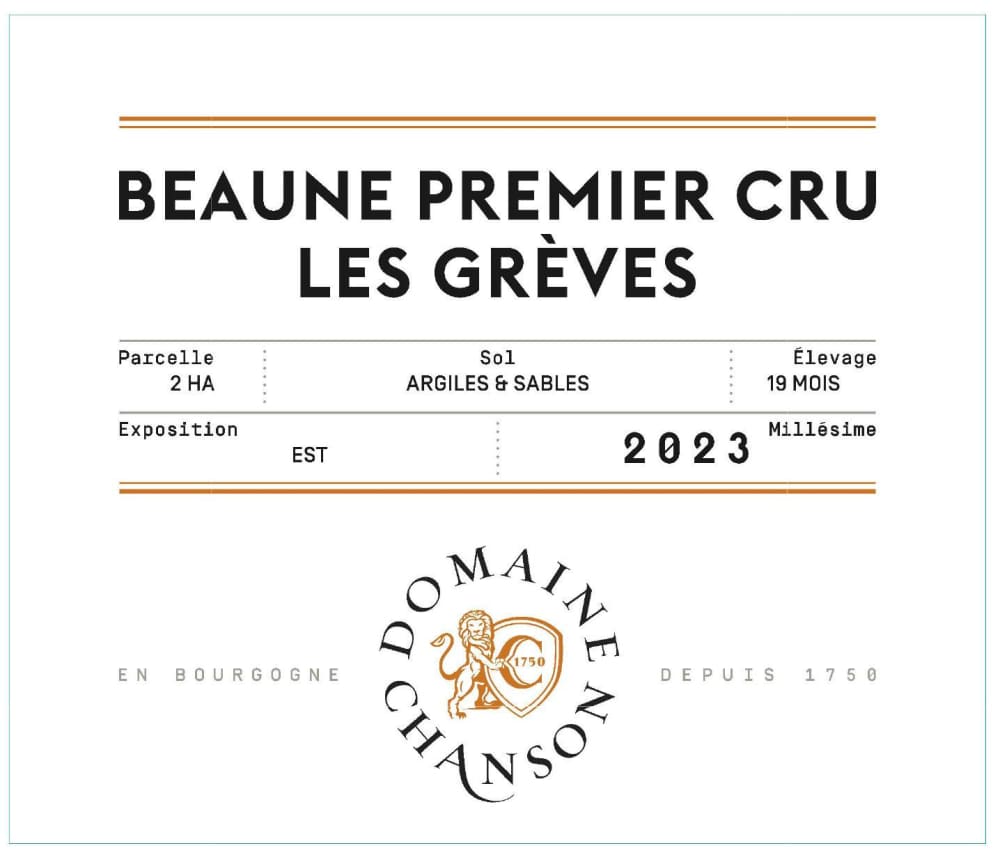
In contrast, cooler regions like Burgundy, France, produce lighter styles due to slower ripening. Here, grapes retain acidity, resulting in a more delicate profile, but some producers focus on specific vineyards that allow for concentrated flavors despite the climate.
- Soil Types: Clay and limestone in regions like Bordeaux can enhance tannin extraction and complexity, while sandy soils generally yield lighter, fruitier styles.
- Elevation: Higher altitudes, such as those found in Mendoza, Argentina, can create more intense aromas and flavors due to cooler temperatures, which help preserve acidity.
- Winemaking Techniques: Different regions employ varied techniques, such as oak aging or maceration processes, which can amplify body and texture.
Specific varietals also exhibit distinct characteristics based on their origins. For example, Malbec from Argentina tends to be more full-bodied due to the unique combination of high altitude and warm climate, leading to rich, dark fruit flavors.
Understanding these regional influences provides insight into how locale impacts the physical and sensory attributes of wines, allowing for more informed selections based on personal taste preferences.
FAQ:
What characteristics define a heavy-bodied red wine?
A heavy-bodied red wine is typically characterized by its rich flavors, high alcohol content, and full mouthfeel. These wines often have pronounced tannins, which contribute to their structure and aging potential. Common flavor profiles include dark fruits like blackberry and plum, as well as notes of oak, chocolate, and spices. The texture can be velvety or robust, making them feel weighty on the palate.
Which grape varieties are known for producing the heaviest bodied red wines?
Several grape varieties are recognized for their potential to create heavy-bodied red wines. Cabernet Sauvignon is one of the most notable, known for its bold flavors and high tannin levels. Other varieties include Syrah (or Shiraz), which can have intense fruit and spice characteristics, and Malbec, celebrated for its rich, dark fruit flavors and smooth texture. Petite Sirah is another option, often resulting in wines with a deep color and robust body.
Can you recommend some specific heavy-bodied red wines to try?
Sure! Some excellent examples of heavy-bodied red wines include: 1) **Caymus Cabernet Sauvignon** – Known for its lush fruit and velvety tannins. 2) **Penfolds Grange** – An iconic Australian Shiraz with rich fruit layers and oak influence. 3) **Château Montelena Cabernet Sauvignon** – Offers a balance of power and elegance with dark fruit flavors. 4) **Bodega Norton Malbec Reserva** – A great representation of Argentinian Malbec, showcasing dark fruit and smooth tannins. These wines are often well-structured and enjoyable for those who appreciate a fuller-bodied experience.
How should heavy-bodied red wines be served and paired with food?
Heavy-bodied red wines are best served at a slightly cooler room temperature, typically around 60-65°F (15-18°C). This temperature helps to accentuate their flavors and aromas. When it comes to food pairings, these wines complement rich and hearty dishes such as grilled meats, stews, and aged cheeses. Dishes like a ribeye steak, lamb chops, or a robust mushroom risotto work well to enhance the wine’s characteristics. The tannins in the wine also help to cut through the richness of fatty foods, creating a harmonious dining experience.
What are the aging potential and benefits of heavy-bodied red wines?
Heavy-bodied red wines often have excellent aging potential due to their high tannin content and acidity. These components allow the wine to develop complexity over time. As they age, flavors can evolve, leading to more nuanced profiles with secondary notes of leather, tobacco, and earthiness. It’s common for these wines to improve for several years, sometimes even decades, making them suitable for cellaring. The benefits of aging include a smoother mouthfeel and a more integrated flavor profile, enhancing the overall enjoyment of the wine.
What characteristics define the heaviest bodied red wines?
The heaviest bodied red wines are typically characterized by their high levels of tannins, alcohol, and extract. These wines often have a rich and intense flavor profile, showcasing dark fruits like blackcurrant, blackberry, and plum. In addition to fruit, you might find notes of chocolate, coffee, and spice, which contribute to the overall weight and complexity of the wine. The mouthfeel of heavy-bodied reds is usually velvety and full, leaving a lasting impression on the palate.
Which grape varieties are known for producing the heaviest bodied red wines?
Some grape varieties are particularly well-known for producing heavy-bodied red wines. Cabernet Sauvignon is one of the most prominent, often resulting in full-bodied wines with robust flavors and high tannin levels. Other varieties include Syrah (or Shiraz), which can produce intense and spicy wines, and Malbec, known for its rich fruit expression and smooth texture. Zinfandel and Petite Sirah also contribute to the category of heavy-bodied reds, often displaying bold fruit and peppery notes.
Can you recommend some specific wines that are classified as heavy-bodied red wines?
Certainly! A few excellent examples of heavy-bodied red wines include the Napa Valley Cabernet Sauvignon, which is known for its depth and complexity. Another great choice is a Barolo from Italy, made from Nebbiolo grapes, which offers strong tannins and a full flavor profile. A Shiraz from Australia, particularly from regions like Barossa Valley, can also deliver intense fruit and spice. Lastly, Malbec from Argentina often provides a rich and velvety experience, making it a wonderful option for those seeking a heavier red wine.
What food pairings work well with heavy-bodied red wines?
Heavy-bodied red wines pair beautifully with hearty and robust dishes. Grilled meats, such as steak or lamb, complement the tannins and bold flavors of these wines, enhancing the overall dining experience. Rich pasta dishes, especially those with cream or meat sauces, also work well. Additionally, aged cheeses like cheddar or Gouda can provide a delightful balance to the wine’s intensity. For a vegetarian option, try pairing heavy reds with dishes that include mushrooms or roasted vegetables, which can match the wine’s depth.