Chuck Furuya

Begin by focusing on specific varietals; each grape possesses unique characteristics. For instance, Cabernet Sauvignon is known for its bold tannins and rich flavors, while Pinot Noir offers a lighter, more delicate profile. Taste a range of options from different regions to understand how terroir influences flavor.
Engage your senses fully during tastings. Swirl the glass to aerate the liquid, releasing aromas. Take a moment to inhale deeply before sipping; identify notes like dark fruit, spice, or earthy undertones. This practice enhances recognition of subtleties in various selections.
Invest in a quality decanter. Allowing the beverage to breathe can significantly alter its profile, softening tannins and amplifying flavors. Experiment with varying decanting times to see how it transforms each bottle, noting your preferences along the way.
Join a local tasting group or attend workshops. Interacting with fellow enthusiasts broadens your perspective and introduces you to selections you might not choose on your own. Sharing experiences and insights deepens appreciation.
Document your experiences. Keep a journal to record your tasting notes, preferences, and ratings. Over time, this will serve as a valuable reference, helping you refine your choices and articulate your likes and dislikes more clearly.
Path to Expertise in Dark Varietals
Engaging in tastings with a focus on specific grape types enhances my understanding. I prefer starting with varietals such as Cabernet Sauvignon, Merlot, and Pinot Noir, as these offer diverse flavor profiles and complexities. Each tasting session is structured, allowing me to evaluate color, aroma, and palate. I note the characteristics of each sample meticulously.
Pairing is another cornerstone of my exploration. I analyze how different dishes interact with the selected varietals, which deepens my appreciation for both food and drink. For instance, I find that a bold Cabernet complements grilled meats effectively, while a lighter Pinot Noir pairs beautifully with duck or salmon.
Attending workshops led by sommeliers or industry experts has proven invaluable. These sessions provide insights into regional differences and terroir impacts on flavor. I keep a journal to document my experiences, preferences, and any new terms learned. This not only solidifies my knowledge but also serves as a reference for future tastings.
| Varietal | Characteristics | Food Pairing |
|---|---|---|
| Cabernet Sauvignon | Full-bodied, dark fruit, tannic | Grilled steak, lamb |
| Merlot | Smooth, medium-bodied, plum | Pasta, roasted chicken |
| Pinot Noir | Light-bodied, berry flavors, earthy | Duck, salmon |
Collecting bottles from various regions allows me to observe how climate affects flavor. I strive to build a personal cellar with selections spanning different years and vintages, ensuring a range of options for tasting and comparison. This collection not only serves as a personal archive but also offers insights into aging potential and development over time.
Regularly visiting vineyards is a vital part of my approach. Speaking with winemakers and participating in harvests enriches my appreciation for the craft. I gain firsthand knowledge of production methods and the passion behind each bottle. This connection to the source deepens my understanding and enjoyment.
Understanding Red Wine Varietals
I focus on identifying key characteristics of various grape types. Merlot, known for its softness and fruit-forward profile, often presents notes of plum and black cherry. Cabernet Sauvignon stands out with its bold tannins and dark berry flavors, making it a staple for those who enjoy a structured sip.
Pinot Noir captures my attention with its complexity and elegance, offering a lighter body and flavors ranging from red fruits to earthy undertones. Syrah, on the other hand, is robust and spicy, often displaying black pepper and dark fruit flavors, which appeals to those who appreciate a more intense experience.
Malbec, originating from Argentina, has gained popularity for its rich, dark fruit flavors and velvety texture, making it an excellent choice for pairing with grilled meats. Zinfandel, known for its jammy fruitiness and peppery notes, provides a unique taste profile that can be both bold and fruity.
Tempranillo, often associated with Spanish wines, offers a balance of fruit and earthy notes, while Sangiovese is recognized for its high acidity and cherry flavors, often found in Italian varietals. Understanding these distinctions helps refine my palate and enhances my appreciation for each style.
Mastering the Art of Tasting
I focus on three key steps: observing, smelling, and sipping. With each glass, I first examine the color and clarity. Holding the glass against a white background reveals nuances, from deep garnet to lighter brick tones, indicating age and variety.
Next, I swirl the glass gently to release aromas. I take a moment to breathe in deeply, identifying primary scents such as fruit, floral notes, or earthy undertones. I pay attention to the intensity and complexity of the bouquet, which can offer insights into the wine’s character.
When tasting, I take a small sip, letting the liquid coat my palate. I assess flavors, noting the balance of sweetness, acidity, tannins, and alcohol. I also consider the finish; a long, lingering aftertaste often signifies quality. Each tasting experience enhances my understanding of different styles and regions.
I keep a journal to document my impressions, including specific aromas and flavors, which helps me track my evolving preferences. Engaging in tastings with others allows for shared insights, enriching my appreciation for this craft.
Pairing Red Wine with Food
Opt for hearty dishes like lamb or beef with full-bodied varietals such as Cabernet Sauvignon or Syrah. The tannins in these wines complement the protein and fat in the meats, enhancing the overall flavor experience.
For pasta with rich tomato sauce, choose a Chianti or Merlot. The acidity in these wines balances the sauce, making each bite more enjoyable.
Consider earthy flavors like mushrooms or roasted vegetables paired with Pinot Noir. Its lighter body and complex flavors harmonize beautifully with these dishes.
- Cheese Pairings: Aged cheddar pairs well with Malbec, while Brie goes nicely with a lighter Gamay.
- Spicy Foods: Zinfandel can handle spicy dishes, as its fruitiness counters the heat.
- Grilled Meats: Opt for a robust Cabernet Sauvignon to stand up to charred flavors.
Experiment with chocolate desserts and a nice Port; the sweetness of the dessert elevates the richness of the wine.
Always keep in mind the intensity of both the dish and the varietal; balancing these elements will lead to a more pleasurable dining experience.
Exploring Wine Regions and Terroirs
Visiting renowned areas such as Bordeaux, Napa Valley, and Tuscany provides insights into the nuances of grape cultivation and the impact of climate. Each locale offers a distinctive profile shaped by its soil composition, weather patterns, and traditional practices. I recommend exploring these regions firsthand, as local wineries often present guided tastings that highlight the characteristics unique to their terroir.
Bordeaux
This region is celebrated for its Merlot and Cabernet Sauvignon blends. The gravelly soil here contributes to the complexity of the wines, allowing for a rich depth of flavor. Engaging with local sommeliers can enhance understanding of how the climate influences the aging potential and taste profiles of the wines produced.
Napa Valley
Napa’s warm climate and diverse microclimates foster a variety of varietals, particularly Zinfandel and Cabernet Sauvignon. I find it beneficial to attend vineyard tours that showcase the differences between hillside and valley floor grapes, as this can dramatically affect the final product. Additionally, many wineries offer food pairings that complement their selections, deepening the tasting experience.
Learning to Read Wine Labels
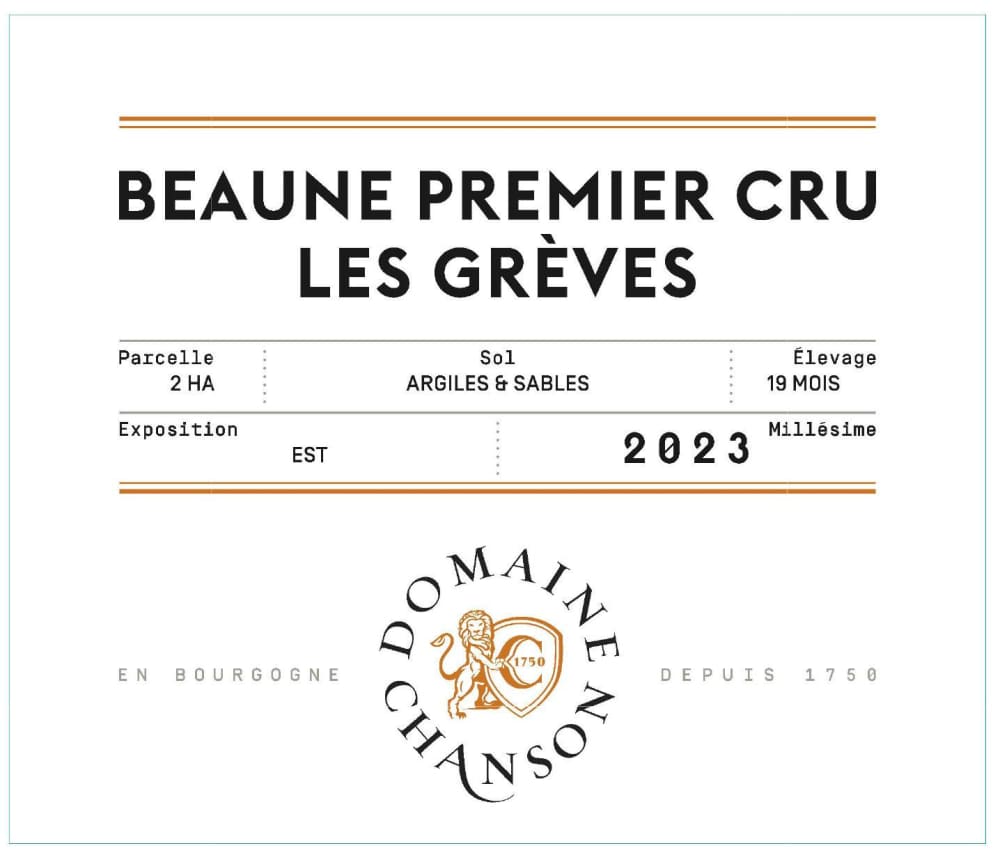
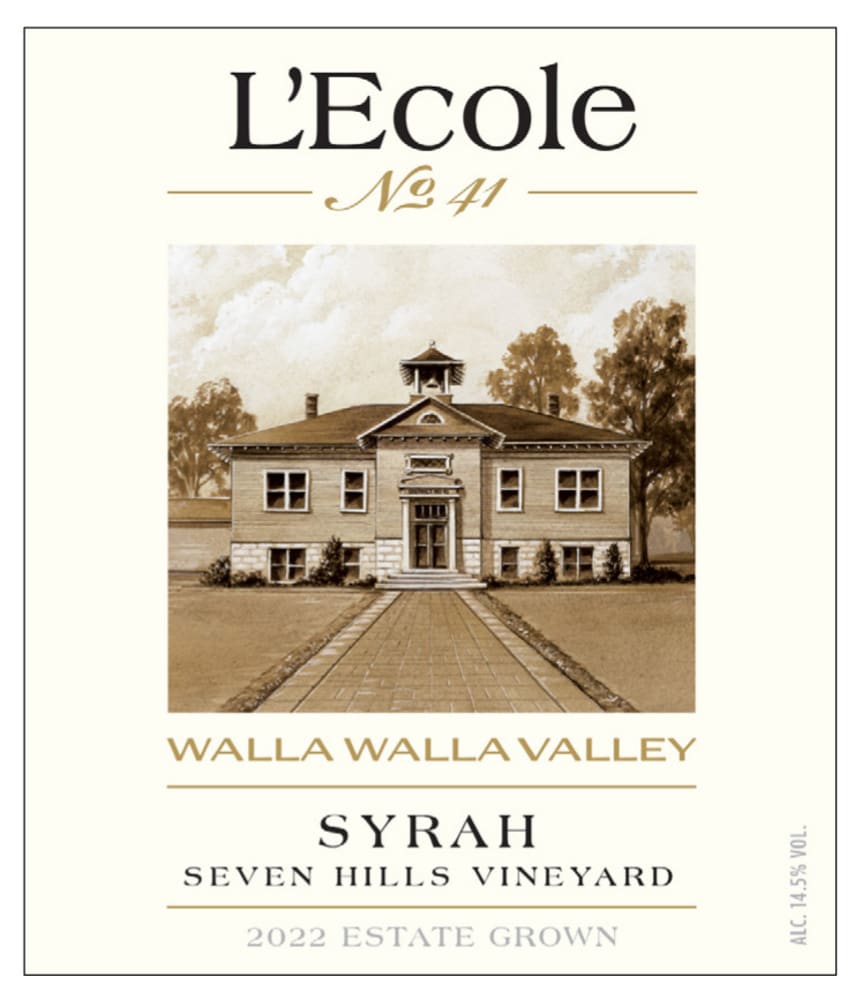
Focusing on key elements of a bottle’s label is my first step to understanding its contents. The name of the producer often appears prominently, offering insights into their reputation and style. I check the vintage year as it indicates the grape harvest, which significantly affects flavor profiles and aging potential.
The varietal information reveals the grape type used, which is essential for grasping the characteristics I can expect. For example, Cabernet Sauvignon typically boasts bold flavors, while Pinot Noir often presents a lighter profile. Geographic indications are also crucial; they can tell me about the terroir and climate conditions that influenced the grapes’ development.
Alcohol content is another important detail. Higher percentages usually indicate a fuller body, while lower levels might suggest a lighter, more refreshing experience. The label may also include information about the aging process, which can provide clues regarding complexity and depth.
Additional designations, such as “Reserva” or “Grand Cru,” can signify quality tiers within certain regions, helping me distinguish more prestigious selections from standard offerings. Lastly, I pay attention to tasting notes or descriptions; they often highlight the aromas and flavors I might encounter, enhancing my tasting experience.