Chuck Furuya

For an exceptional experience, I recommend focusing on varietals like Cabernet Sauvignon or Syrah. These grapes offer a rich flavor profile, often characterized by dark fruit notes and robust tannins, making them ideal for pairing with hearty meals.
Next, examine the origin. Regions such as Bordeaux or Napa Valley are renowned for producing outstanding examples. The terroir significantly influences the characteristics, so familiarizing yourself with these locations can elevate your selection process.
When assessing labels, look for terms like “reserve” or “old vine.” These designations often indicate a higher quality, as they suggest careful vineyard practices and aging processes. Additionally, consider the vintage; some years yield better crops due to favorable weather conditions, which can enhance the overall taste.
Finally, don’t shy away from seeking recommendations from reputable sources or sommeliers. Their expertise can guide you toward hidden gems that may not be as well-known, broadening your palate and enhancing your appreciation for this beloved fermented beverage.
How to Select Quality Non-Sweet Red Varietals
One practical approach involves examining the label for alcohol content. Generally, higher alcohol levels indicate a fuller body and bolder flavor profile. Look for options with at least 13.5% alcohol by volume for a robust experience.
Next, consider the grape variety. Popular choices like Cabernet Sauvignon, Merlot, and Syrah offer distinct characteristics. Understanding these can guide preferences:
- Cabernet Sauvignon: Known for its dark fruit flavors and tannic structure, it pairs well with hearty dishes.
- Merlot: Softer and fruitier, making it versatile for various cuisines.
- Syrah/Shiraz: Exhibits spicy and smoky notes, ideal for grilled meats.
Don’t overlook the region of origin. Regions such as Bordeaux, Napa Valley, and Tuscany are renowned for their exceptional quality. Each area imparts unique terroir, influencing taste and aroma.
Opt for vintages that have received critical acclaim. Ratings from reputable sources can provide insight into quality. A score of 90 points or higher often signifies a remarkable selection.
Lastly, engage your senses. Swirl the glass to release aromas, take a moment to savor the bouquet, and notice the mouthfeel. This sensory experience will enhance the selection process.
Understanding Wine Labels and Terminology
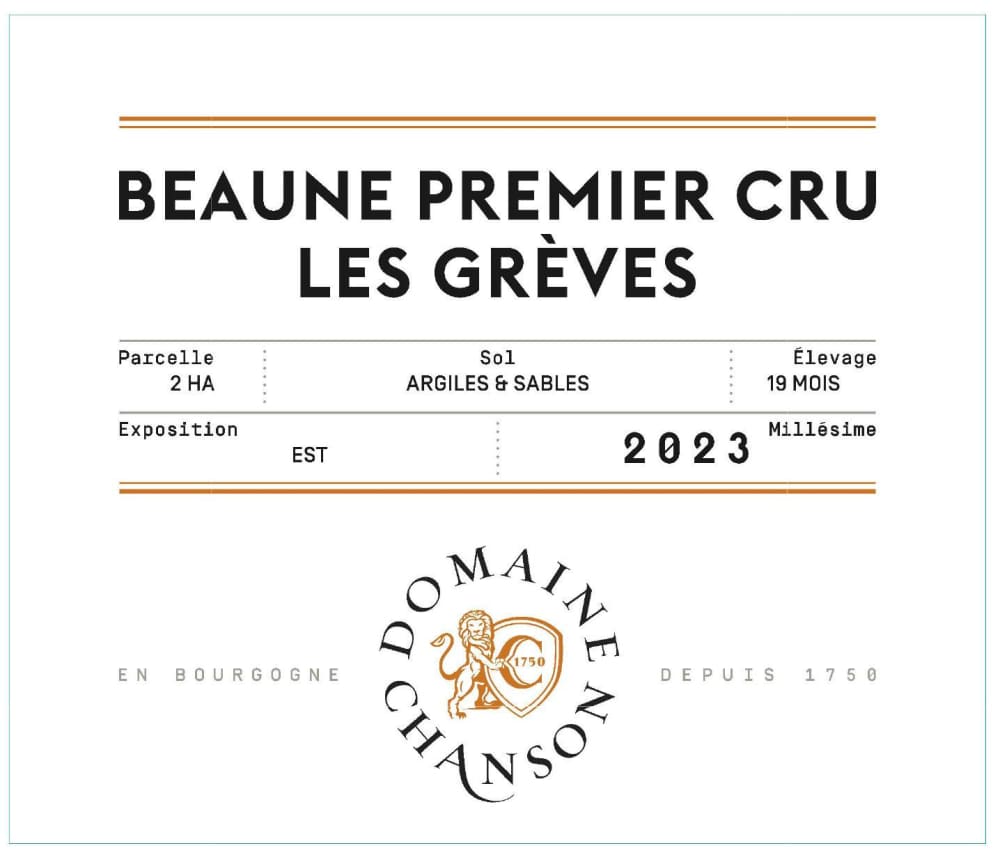
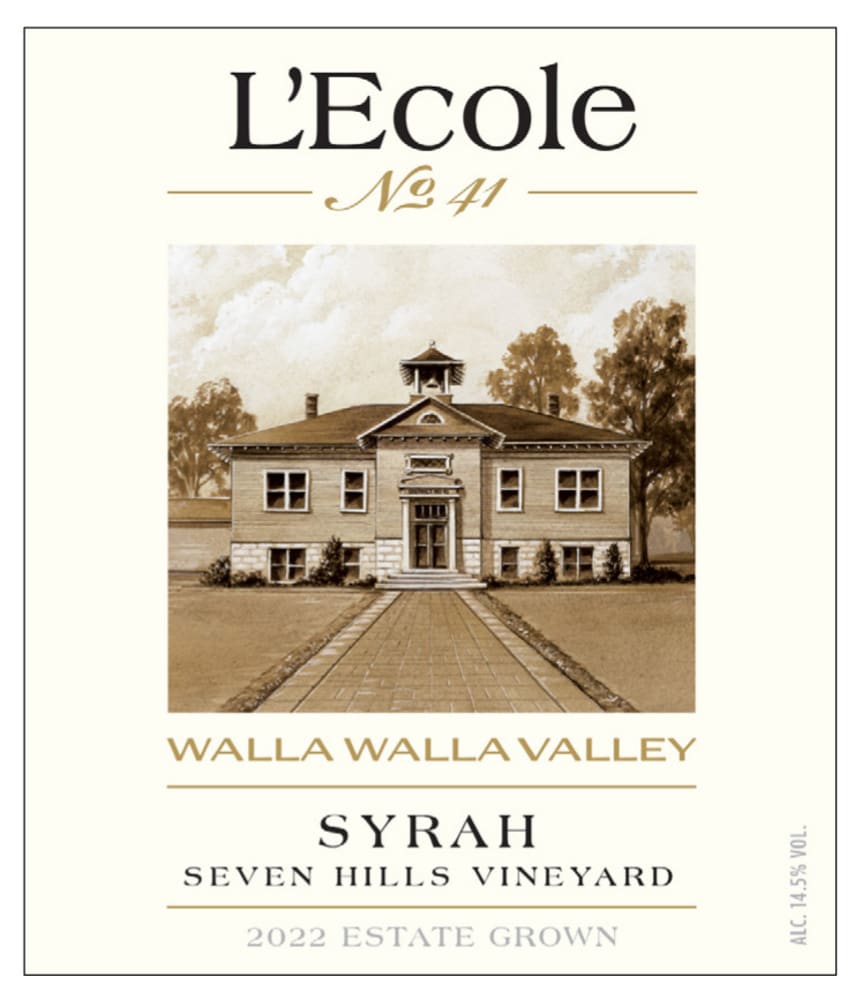
Familiarity with the terminology on labels enhances the selection process significantly. Key components to focus on include:
- Varietal: Indicates the grape type used. Common options include Cabernet Sauvignon, Merlot, and Syrah. Each grape brings distinct flavor profiles and characteristics.
- Region: Specifies the geographical area of production. Regions like Bordeaux, Napa Valley, and Tuscany are renowned for particular styles and qualities.
- Vintage: Refers to the year the grapes were harvested. Weather conditions during that season can impact the flavor and quality of the product.
- Alcohol Content: Usually stated as a percentage. Higher levels often correlate with bolder flavors, while lower levels can indicate lighter profiles.
- Winery: The producer’s name is essential for identifying reputation and consistency. Researching the winery can provide insights into their practices and quality.
- Appellation: Denotes the legal designation of the origin. Understanding appellations can help assess expected quality and style.
Additional terms to look out for include:
- Barrel Aging: Indicates whether the product has spent time in oak barrels, which can enhance complexity and introduce flavors like vanilla or spice.
- Organic/Biodynamic: Labels may mention these practices, indicating environmentally friendly farming methods that can affect taste.
- Reserve: A term often used to signify higher quality or special selection, though definitions vary by region.
Focusing on these elements when scrutinizing labels allows for informed selections tailored to personal preferences and desired experiences. Each term provides insight into the contents and can guide decisions effectively.
Identifying Key Red Wine Varietals
Focusing on varietals like Cabernet Sauvignon, Merlot, and Pinot Noir can lead to satisfying selections. Cabernet Sauvignon is robust, often featuring notes of blackcurrant and pepper, ideal for pairing with red meats. Merlot, known for its smoothness, offers flavors of plum and chocolate, making it versatile for various dishes, from pasta to grilled vegetables.
Pinot Noir stands out with its elegance and complexity, showcasing cherry and earthy undertones. This choice complements lighter fare like poultry and seafood. Syrah, or Shiraz, provides a bold alternative with spicy and fruity characteristics, pairing well with barbecued foods.
Malbec, originating from Argentina, displays dark fruit flavors and a hint of smokiness, which works beautifully with grilled meats. Zinfandel, often fruit-forward with jammy notes, is excellent for those who enjoy a sweeter profile without crossing into dessert territory.
Exploring blends can also be rewarding. A Bordeaux blend combines Cabernet Sauvignon, Merlot, and other varietals, creating a well-rounded experience. Rhône blends, featuring Syrah and Grenache, offer rich flavors and complexity that enhance meals.
Understanding these key varietals helps refine choices and enhances enjoyment, ensuring every sip aligns with personal taste preferences and culinary pairings.
Evaluating Wine Regions and Terroir
Focusing on specific regions can significantly impact the quality and character of the drink. Each area possesses unique climatic conditions, soil types, and elevation, which contribute to the final product’s profile. Identifying these elements is essential for making informed selections.
Key Wine Regions
Consider the following prominent areas known for their exceptional production:
| Region | Characteristics | Notable Varietals |
|---|---|---|
| Bordeaux, France | Mixed climate, gravel and clay soils | Merlot, Cabernet Sauvignon |
| Napa Valley, USA | Warm climate, diverse microclimates | Cabernet Sauvignon, Zinfandel |
| Tuscany, Italy | Hilly terrain, Mediterranean climate | Sangiovese, Super Tuscans |
| Rioja, Spain | Continental climate, limestone and clay | Tempranillo, Garnacha |
Understanding Terroir
Terroir encompasses the environmental factors affecting grape cultivation, including soil composition, climate, and topography. Each aspect plays a role in shaping flavors and aromas. For instance, volcanic soils often yield wines with minerality and depth, while sandy soils may produce lighter, fruitier profiles. Researching the terroir of a specific label can reveal insights into its unique characteristics.
By examining both the region and its terroir, you can enhance your appreciation and selection of exceptional bottles. Look for wines that highlight their origins through tasting notes and descriptions, as these can provide valuable insights into what to expect in the glass.
Recognizing Wine Age and Vintage Quality
To assess the age and quality of a vintage, I focus on three key aspects: the producer’s reputation, the vintage year, and the specific varietals used. First, I always check the producer’s history and reviews. Renowned wineries often have a track record of excellence over the years, which adds credibility to their offerings.
Next, I consider the vintage year. Certain years are celebrated for exceptional growing conditions, leading to superior grapes. For instance, I often find that years with balanced weather–adequate sunlight, rain, and cooler evenings–yield wines with depth and complexity. I look for vintage charts that highlight these standout years and compare them to the bottle I’m examining.
Evaluating Characteristics of Aged Varietals
When assessing older bottles, I pay close attention to their color and aroma. Aged selections typically exhibit deeper hues, shifting from vibrant red to brick or brown tones. The bouquet often transforms, revealing complex notes like leather, tobacco, or dried fruits. These aromatic changes indicate maturity and can signal a well-crafted product.
Wine Storage and Evolution
Storage conditions greatly impact a bottle’s aging process. I ensure that bottles have been stored in a consistent, cool environment, away from direct sunlight. A wine’s evolution in the bottle can reveal its character over time, with tannins softening and flavors integrating beautifully. Regularly checking these elements helps me appreciate the full journey of each pour.
FAQ:
What factors should I consider when choosing a dry red wine?
When selecting a dry red wine, consider the grape variety, region of origin, vintage, and personal taste preferences. Different grape varieties, like Cabernet Sauvignon or Pinot Noir, offer distinct flavor profiles. The region can influence the wine’s character; for example, wines from Bordeaux may have different notes than those from California. The vintage is also important, as weather conditions in a given year can affect the grapes’ quality. Lastly, think about what flavors you enjoy, whether that’s fruity, earthy, or spicy, as this will guide your selection.
How can I tell if a red wine is dry?
A dry red wine typically has little to no residual sugar, which means it won’t taste sweet. You can often determine dryness by checking the label; many wines will indicate if they are dry. Additionally, tasting is key—if the wine has a more tannic and acidic profile, it’s likely dry. If you’re unsure, ask for recommendations based on your preferred taste, as wine merchants can help you find dry options.
Are there specific food pairings that work well with dry red wine?
Yes, dry red wines pair beautifully with a variety of foods. Generally, they complement red meats like steak and lamb very well. Rich dishes such as beef stew or pasta with red sauce also enhance the wine’s flavors. For a lighter option, consider pairing with roasted vegetables or hard cheeses. The key is to match the wine’s body and flavor intensity with the dish to create a harmonious dining experience.
What regions produce the best dry red wines?
Several regions are renowned for their exceptional dry red wines. Bordeaux in France is famous for its blends, primarily made from Cabernet Sauvignon and Merlot. The Napa Valley in California is also well-known for high-quality Cabernet Sauvignon and Zinfandel. Additionally, regions like Tuscany in Italy produce excellent Chianti and Brunello wines. Each area has unique characteristics influenced by climate and soil, contributing to the diversity of flavors in dry red wines.
How should I store dry red wine to maintain its quality?
To preserve the quality of dry red wine, store it in a cool, dark place with a consistent temperature, ideally between 55°F and 65°F (13°C to 18°C). Wine should be kept on its side to ensure the cork remains moist, preventing air from entering the bottle. Avoid areas with fluctuating temperatures or direct sunlight. If you plan to age the wine, consider investing in a wine cellar or a wine fridge for optimal storage conditions.