Chuck Furuya

Begin with the grape variety. For a robust experience, consider Cabernet Sauvignon or Syrah, known for their deep flavors and tannic structure. Look for these varietals from regions like Bordeaux or Barossa Valley, which are renowned for their exceptional offerings.
Next, examine the vintage year. Aged selections often develop complexity, so seek out bottles from favorable years. Research specific regions to identify years that produced outstanding grapes; for instance, 2010 in Bordeaux is celebrated among enthusiasts.
Assess the alcohol content as well. A higher percentage, typically around 14% or more, often indicates a fuller body and richer palate. This can enhance the overall tasting experience, especially when paired with hearty dishes.
Finally, don’t overlook the label. A reputable winery often signals quality. Look for producers with a history of craftsmanship, as their commitment to excellence is usually reflected in the bottle.
Choosing a Quality Red Beverage
Focus on varietals known for their minimal sweetness, such as Cabernet Sauvignon, Merlot, and Syrah. These types typically feature pronounced tannins and a rich structure, which enhances their flavor profile without residual sugar.
Evaluate the Region
The origin significantly influences taste. Regions like Bordeaux and Barossa Valley are renowned for producing complex, refined options. Look for labels indicating specific appellations to ensure authenticity and quality.
Inspect the Vintage
Research the year of production; certain harvests yield superior grapes. Years with optimal weather conditions often translate to enhanced flavors and aromas. Consult vintage charts for guidance on the best years for your selected varietal.
Understanding Different Varietals of Dry Red Wine
Focusing on varietals, I often gravitate towards Cabernet Sauvignon for its bold character and rich flavors. This grape thrives in regions like Napa Valley and Bordeaux, delivering dark fruit notes and a structured finish. It’s an excellent choice for pairing with hearty dishes.
Merlot offers a softer profile, making it approachable. I appreciate its plum and chocolate undertones, which complement grilled meats and pasta. Regions such as California and France produce delightful options that showcase this varietal’s versatility.
Exploring Pinot Noir
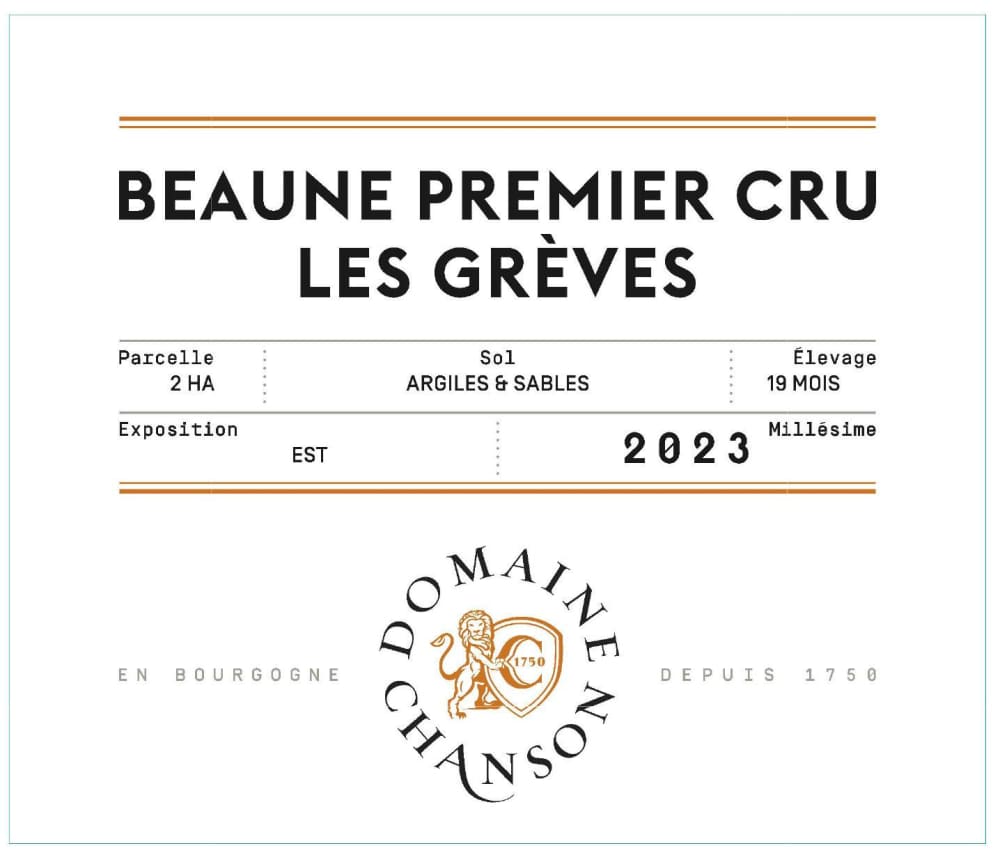
Pinot Noir stands out for its elegance and complexity. I enjoy its red fruit characteristics and earthy nuances, particularly from regions like Burgundy and Oregon. This varietal pairs beautifully with lighter fare, such as duck or mushroom dishes.
Discovering Syrah/Shiraz
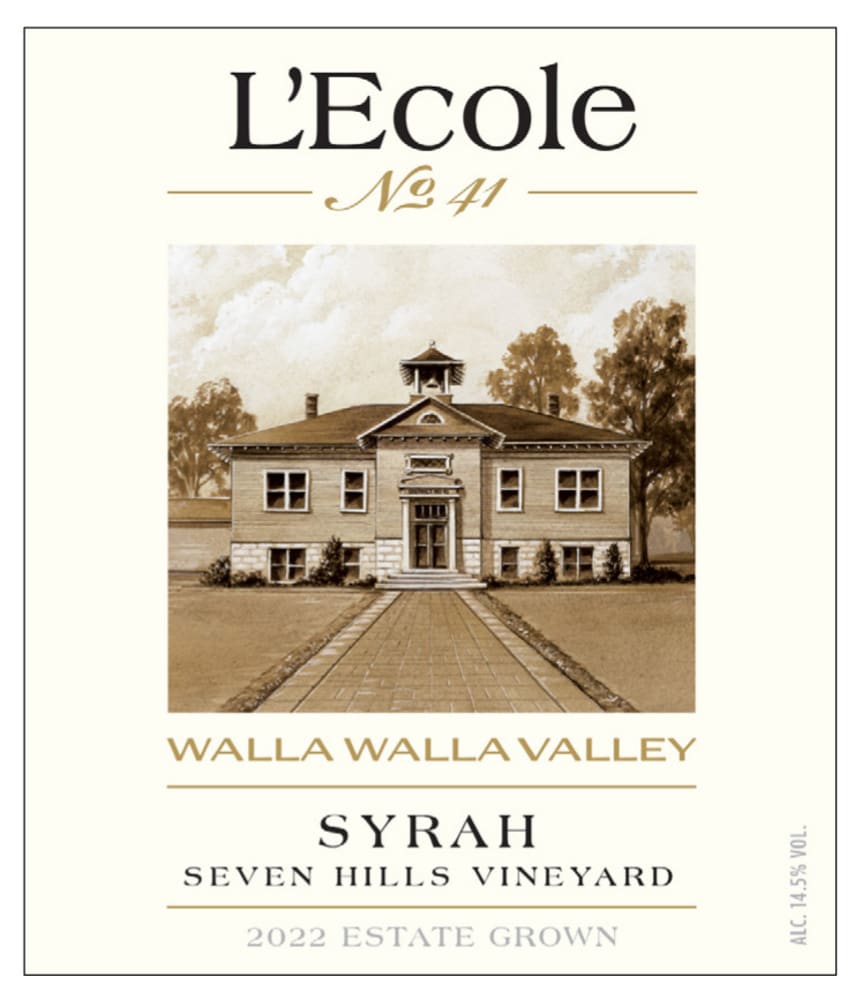
Syrah, known as Shiraz in Australia, boasts intense flavors of blackberries and spice. I find its full-bodied nature perfect for barbecued meats. Regions like the Rhône Valley and Barossa Valley produce exceptional examples that highlight its boldness and depth.