Chuck Furuya


I recommend sampling different varietals to truly appreciate the depth and complexity that these beverages offer. Start with lighter options like Pinot Noir or Gamay, which can be less intimidating and easier to enjoy. As I transitioned into bolder types, Merlot and Cabernet Sauvignon became favorites, showcasing a range of flavors from fruity to earthy.
Pay attention to the aromas while swirling the glass. Engaging your senses enhances the experience significantly. Take a moment to identify notes of cherry, plum, or even hints of spices. This practice not only enriches the enjoyment but also builds familiarity with various profiles.
Pairing these beverages with food can elevate the experience. For instance, a rich beef stew complements a Cabernet Sauvignon beautifully, while a light pasta dish aligns well with a Pinot Noir. Experimenting with combinations will help you find what suits your palate best.
Participating in tastings at local vineyards or events can also be beneficial. Engaging with sommeliers and fellow enthusiasts provides valuable insights and encourages a deeper appreciation. Sharing thoughts and preferences can lead to discovering new favorites you might not have considered before.
Lastly, patience is key. Developing an affinity for these complex beverages takes time. Enjoy the process of exploration, and don’t hesitate to revisit selections over time as your preferences evolve.
Developing a Preference for Deep Reds
Begin with lighter varieties like Pinot Noir or Gamay. Their smoothness provides an accessible entry point. Sip thoughtfully, allowing the flavors to unfold on your palate.
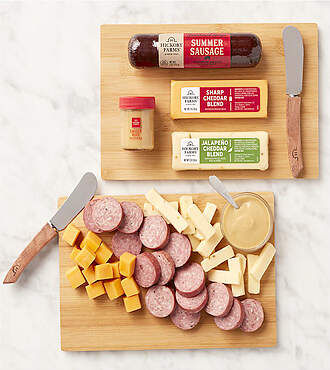
Pairing with food enhances appreciation. Try a charcuterie board featuring cured meats and soft cheeses. The combination elevates the wine experience, exposing new dimensions of flavor.
Experiment with temperature. Slightly chilling certain selections can soften tannins, making them more approachable. Aim for a serving temperature around 55°F (13°C) for optimal enjoyment.
Engage your senses. Swirl the glass, inhale deeply, and note the aromas before tasting. This practice builds a deeper connection with the beverage.
Attend tastings at local wineries or wine shops. These events provide opportunities to sample various options and learn directly from knowledgeable staff. Engaging with others who share similar interests can enhance the experience.
Keep a wine journal. Document your impressions after each tasting, noting flavors, aromas, and pairings. Over time, patterns will emerge, guiding future selections.
Explore different regions. Each area produces unique characteristics influenced by climate and soil. A diverse selection broadens understanding and appreciation.
Be patient. Developing a preference takes time. Enjoy the process of discovery without rushing to reach a specific conclusion.
Understanding Different Varietals and Their Flavor Profiles
To appreciate the variety of flavors in dark beverages, I focus on specific grapes and their unique characteristics. Each varietal offers distinct notes that contribute to the overall experience. Here are some key types I explore:
- Cabernet Sauvignon: Known for its bold structure, this grape often presents flavors of blackcurrant, cedar, and spices. I find it pairs well with rich meats.
- Merlot: This option tends to be smoother, showcasing plum, chocolate, and cherry flavors. I enjoy it with lighter dishes or on its own.
- Pinot Noir: With its lighter body, I appreciate the delicate notes of red berries, earth, and floral hints. It complements dishes like salmon and chicken.
- Syrah/Shiraz: This varietal tends to be robust, featuring dark fruit, pepper, and sometimes smoky undertones. I often choose it for barbecued foods.
- Zinfandel: Known for its fruit-forward profile, it offers flavors of blackberry, anise, and pepper. I like to pair it with spicy dishes.
By sampling these varietals, I enhance my understanding of flavor complexities and develop a refined palate. Tasting them in different food pairings allows me to identify personal preferences and the nuances of each grape.
I also pay attention to the region of production, as terroir can influence taste significantly. For instance, a Cabernet from Napa Valley may differ from one sourced in Bordeaux. Exploring these differences enriches my experience.
Attending tastings or visiting local wineries has proven beneficial. Engaging with knowledgeable staff provides insights into the subtleties of each varietal, enhancing my appreciation further.
Pairing Red Wine with Food for Enhanced Enjoyment
To elevate my experience with crimson beverages, I focus on complementary flavors. A classic combination involves bold varietals such as Cabernet Sauvignon with grilled steak. The tannins in the wine soften the meat’s protein, creating a harmonious balance.
Cheese and Charcuterie
For a delightful pairing, I often select a rich Merlot alongside aged Gouda or Brie. The creaminess of the cheese enhances the wine’s fruit notes, while a charcuterie board featuring prosciutto and salami brings out the savory undertones of the drink.
Pasta and Sauces
When enjoying a hearty pasta dish, a Chianti with tomato-based sauces is my go-to. The acidity in the sauce complements the wine’s flavor profile, making each bite and sip more enjoyable. For creamy sauces, I prefer a Pinot Noir; its lighter body harmonizes without overpowering the dish.