
 Chuck Furuya

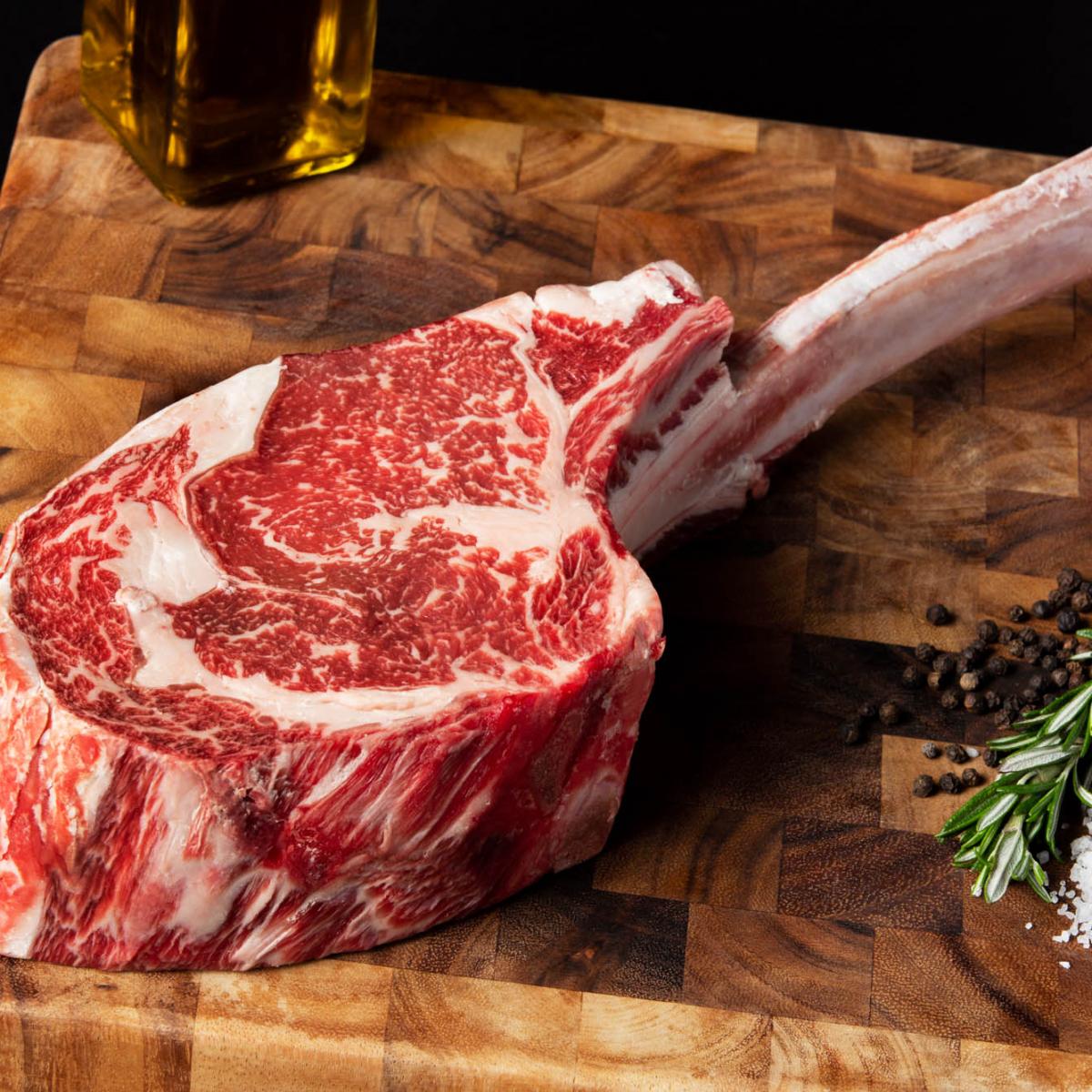
If you’re seeking a bold and distinctive experience, I recommend exploring this intriguing varietal. Originating from South Africa, it stands out due to its unique flavor profile, which combines elements of dark fruits with earthy undertones and a hint of smokiness. This combination results in a wine that is both approachable and complex, making it suitable for various occasions.
The winemaking process for this grape often includes techniques such as oak aging, which enhances its rich character. You’ll find that it pairs beautifully with grilled meats, hearty stews, and even spicy dishes, offering a delightful contrast to robust flavors. For a truly remarkable tasting experience, opt for a bottle that has been aged for several years, allowing the flavors to develop and mature.
When selecting a bottle, consider exploring options from different regions within South Africa, as each area imparts its own unique nuances. Whether you prefer a fruit-forward style or one with more pronounced tannins and depth, there’s something to suit every palate. Enjoy the journey of discovering this remarkable grape variety!
Characteristics of This Distinctive Beverage
This variety is known for its unique fusion of fruity and earthy notes. Tasting often reveals flavors of ripe plum, cherry, and hints of banana alongside a subtle smokiness. The texture can range from medium to full-bodied, providing a robust mouthfeel that many enthusiasts appreciate. The balance between acidity and tannins contributes to its versatility, making it suitable for various pairings.
Flavor Profile
The flavor profile is intriguing, often featuring:
| Flavor | Description |
|---|---|
| Fruits | Rich berries, including dark cherry and raspberry |
| Spices | Subtle pepper and clove notes |
| Earthiness | Hints of smoke and tobacco |
| Texture | Full-bodied and silky |
Food Pairing Suggestions
Pairing this beverage with food enhances the experience. Consider these combinations:
- Grilled meats, particularly lamb or beef
- Spicy dishes, such as barbecue or spicy sausages
- Rich cheeses, like aged cheddar or blue cheese
- Chocolate desserts for a delightful contrast
Origin and History of Pinotage
This varietal originated in South Africa in 1925 through a cross between Pinot Noir and Cinsault, initially known as Hermitage. The aim was to create a grape that would thrive in the South African climate while retaining desirable characteristics from both parent varieties.
In the early years, its production was limited, primarily due to the challenges of viticulture in the region. However, by the 1960s, it began gaining recognition as producers started to realize its potential. The 1970s saw a surge in demand, leading to increased planting across various wine regions in South Africa.
By the 1990s, this grape had established itself as a signature variety of South Africa, generating a distinct style that appealed to both local and international consumers. Innovations in winemaking techniques, including the use of oak aging and refined fermentation processes, further enhanced its profile.
Today, the grape is celebrated for its unique flavor profile, often characterized by berry notes, a hint of banana, and smoky undertones. As production methods continue to evolve, the varietal remains a focal point in South African viticulture, with various producers experimenting with different styles and blends to showcase its potential.
Flavor Profile and Tasting Notes
The experience of sipping this unique varietal reveals a complex interplay of flavors. I often note ripe blackberries and plums, accompanied by subtle hints of banana and cherry. This fruit-forward profile is balanced by earthy undertones, often reminiscent of coffee and chocolate, which add depth to each sip.
For those who enjoy a rounder mouthfeel, this type of beverage offers a velvety texture that glides smoothly over the palate. The tannins are generally medium to high, providing structure without overwhelming the drinker. I appreciate the touch of spice, often described as pepper or clove, which enhances the overall complexity. The finish tends to be long and satisfying, leaving lingering notes of dark fruit and a hint of smokiness.
Recommended Pairings
This varietal pairs excellently with grilled meats, particularly lamb and pork, as well as hearty stews. I also find it complements rich dishes like mushroom risotto or aged cheeses, creating a delightful harmony on the palate. For a lighter option, consider pairing it with roasted vegetables or a savory tart.
Serving Suggestions
To fully appreciate its nuances, I recommend serving it at a slightly cooler temperature than typical reds, around 60-65°F (15-18°C). This allows the intricate flavors to emerge without being overshadowed by warmth. A good decanting before serving can also enhance its aromatic profile, allowing the bouquet to develop and unfold.
Food Pairings for Pinotage
For a delightful dining experience, I recommend pairing this unique varietal with hearty dishes that complement its bold character. Here are some excellent choices:
- Grilled Meats: Juicy steaks, lamb chops, or barbecued pork work wonderfully. The wine’s robust tannins enhance the flavors of grilled proteins.
- Spicy Cuisine: Dishes like spicy barbecue ribs or chili con carne highlight the wine’s fruitiness and balance the heat.
- Game: Venison, duck, or wild boar provide a rich backdrop that harmonizes with the wine’s earthy notes.
- Rich Pasta Dishes: Creamy sauces, such as Alfredo or carbonara, complement the wine’s depth while contrasting its acidity.
- Cheese: Aged cheeses like Gouda, cheddar, or a blue cheese platter can elevate the tasting experience, enhancing the wine’s complexity.
- Chocolate Desserts: Dark chocolate tarts or brownies offer a sweet finish, beautifully pairing with the wine’s fruity undertones.
These combinations allow the bold characteristics of this grape to shine, creating a memorable meal. Experimenting with these pairings can lead to discovering new favorites.


