
 Chuck Furuya


To maintain the quality of your cherished bottle, it’s crucial to recognize that most varieties can last for several years, while others may only be optimal for a few months after opening. Generally, unopened options can be stored for a decade or more, especially if kept in a cool, dark place. However, once uncorked, the timeline shortens significantly.
After opening, the contents usually remain good for around three to five days if properly sealed and refrigerated. Beyond that, the flavors begin to deteriorate, and the experience may not be as pleasurable. It’s advisable to consume it within this timeframe for the best taste and aroma.

For those who enjoy exploring their collection, be mindful of the specific type you have. Certain blends improve with age, while others are intended for immediate enjoyment. Always check for visual signs of spoilage, such as changes in color or sediment, which can indicate that the beverage has surpassed its prime.
Red Wine Longevity
Typically, unopened bottles can last for several years, while opened ones should be consumed within a week to ten days for optimal taste. To ensure the best experience, consider the following guidelines:
- Store unopened bottles horizontally in a cool, dark place, away from direct sunlight and temperature fluctuations.
- Once opened, seal the bottle with a cork or a wine stopper and refrigerate to slow down oxidation.
- Look for signs of spoilage such as off odors, unusual flavors, or a cloudy appearance.
Not all types possess the same aging potential. Generally, high-quality varieties can improve over time, while lesser ones may decline. Familiarize yourself with your specific selection:
- Cabernet Sauvignon: Can age for 10-20 years.
- Merlot: Best enjoyed within 5-10 years.
- Pinot Noir: Typically lasts around 5-7 years.
- Shiraz: Can be good for 5-15 years.
For the best experience, always check the producer’s recommendations or consult a knowledgeable source regarding specific varieties and vintages. Prioritize enjoyment over arbitrary timelines; savor your selection at its peak quality.
Understanding the Shelf Life of Wine
When it comes to the longevity of this beverage, I recommend paying attention to the type and storage conditions. Generally, high-quality bottles can last for several years, while others might reach their peak within a shorter period.
Here are some factors influencing the longevity:
| Factor | Impact on Longevity |
|---|---|
| Quality | Premium selections can age gracefully, whereas lower-tier options may deteriorate faster. |
| Storage Temperature | Consistent, cool temperatures (around 55°F or 13°C) are ideal for aging. |
| Light Exposure | Dark environments are crucial; UV rays can spoil flavors and aromas. |
| Humidity | Maintaining about 70% humidity prevents corks from drying out, allowing for proper sealing. |
| Bottle Closure | Cork closures allow for slow oxygen exchange, enhancing aging potential. |
For optimal enjoyment, I suggest consuming within a few years of purchase unless it’s a bottle specifically designed for aging. Always check for any unusual odors or off-flavors before serving.
Factors Influencing Red Wine Longevity
Temperature control is paramount. Ideally, I keep bottles in a cool, stable environment around 55°F (13°C). Fluctuations can lead to premature aging or spoilage. Avoid places like kitchens or near heating elements.
Humidity levels matter as well. I maintain around 70% humidity to prevent corks from drying out, which can allow air to seep in and spoil the contents. Using a wine fridge can help achieve this balance.
Exposure to light negatively impacts quality. I store bottles in dark places or in tinted glass to shield them from UV rays. Sunlight or bright artificial light can accelerate deterioration.
Closure Type
The type of closure influences longevity. I prefer natural corks over synthetic ones for long-term storage, as they allow a small amount of oxygen in, aiding in maturation. However, if I’m consuming a bottle sooner, screw caps are convenient and effective for preserving freshness.
Varietal Characteristics
Certain grape varieties are more age-worthy. I find that Cabernet Sauvignon and Syrah typically improve with age, while lighter varieties like Pinot Noir are best enjoyed younger. Knowing the grape can guide my expectations.
How to Properly Store Red Wine for Maximum Freshness
Store bottles horizontally. This keeps the cork moist, preventing air from seeping in and spoiling the contents. Positioning bottles upright can dry out the cork, leading to oxidation.
Maintain a consistent temperature between 50°F and 65°F (10°C to 18°C). Fluctuations can cause expansion and contraction of the liquid, which may push the cork out or let air inside. Avoid areas near heat sources or direct sunlight.
Ensure humidity levels are around 50-70%. Excessive dryness can harm corks, while too much humidity can promote mold growth. A dedicated wine fridge can help achieve ideal conditions.
Choose the Right Location
Find a dark place, as UV light can degrade the flavors and aromas over time. A cellar or a dedicated storage unit is preferable. Avoid areas with strong odors, as they can be absorbed by the cork.
Minimize Vibration
Keep bottles in a stable environment, as vibrations can disturb sediments and affect taste. Avoid placing bottles near appliances or in areas with heavy foot traffic. A dedicated rack or shelf is ideal for storage.
Signs That Your Beverage Has Spoiled
Look for these indicators to determine if your drink has gone bad:
- Unpleasant Odor: A sour or vinegar-like smell is a clear sign that the liquid has spoiled.
- Color Changes: A shift from deep purple or ruby hues to brownish or dull shades suggests oxidation.
- Taste Alterations: If it tastes overly sour, flat, or just off, it’s likely past its prime.
- Cloudiness: A hazy appearance instead of a clear liquid can indicate spoilage.
- Presence of Sediment: While some deposits are normal, excessive sediment or unusual particles can be a warning sign.
- Foaming: An unexpected fizz or excessive bubbles may indicate fermentation or contamination.
Trust your senses; if something seems off, it’s better to err on the side of caution and avoid consumption.
Difference Between Expiry Date and Best Before Date for Wine
Understanding the distinction between an expiration timeline and a best before marker is crucial for anyone managing a collection of fermented beverages. The primary difference lies in their implications for quality and safety. An expiration timeline indicates a point after which a beverage may no longer be safe for consumption. In contrast, a best before marker suggests when the taste and aroma may begin to decline, but the product could still be perfectly safe to drink.
For fermented beverages, the best before indication typically focuses on the peak quality rather than safety. While the flavors may evolve, a well-preserved bottle can remain enjoyable long after this noted period. It’s essential to consider the type of beverage and its storage conditions when assessing its longevity.
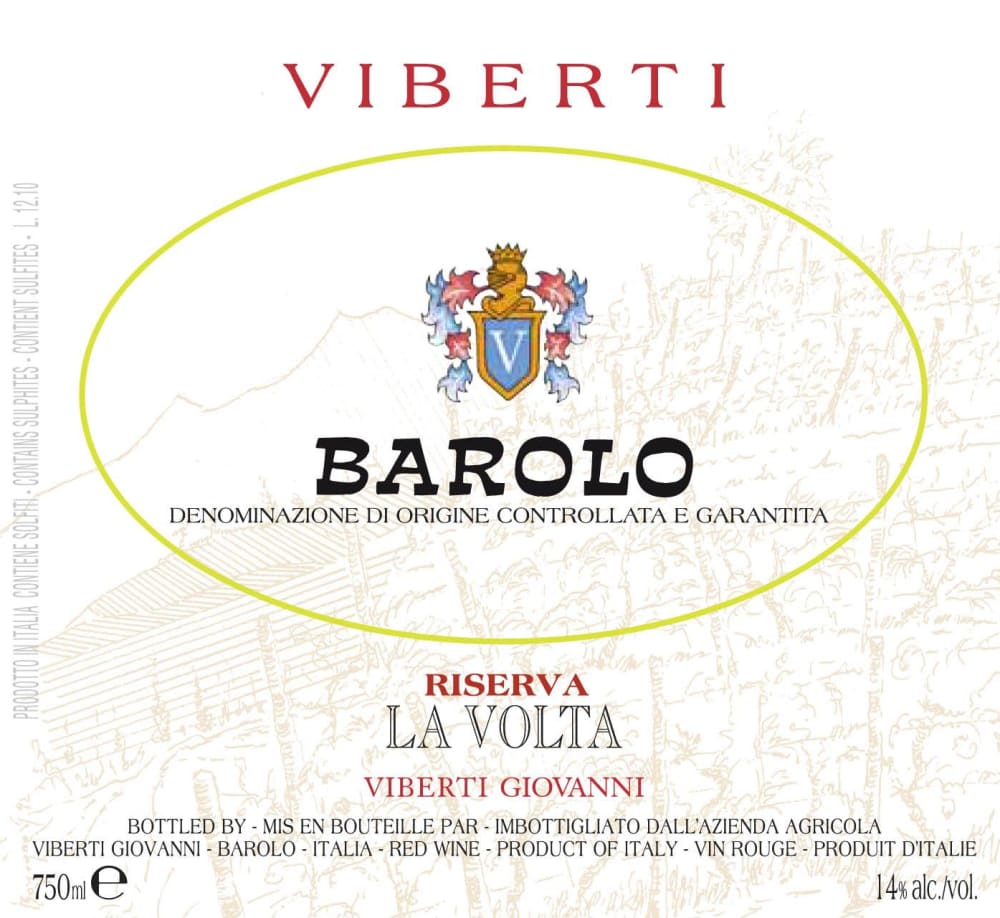
In practice, if I find a bottle with a best before label, I carefully evaluate its condition before deciding to indulge. Factors like color, aroma, and taste are my key indicators. If any signs of spoilage are present, such as off-odors or unusual sediment, I opt for caution. On the other hand, if it appears sound, I may still enjoy it even past the suggested timeframe.
In summary, while an expiration timeline denotes a safety concern, the best before marker primarily relates to the optimal sensory experience. By recognizing this difference, I can make informed choices about my collection and its enjoyment.
FAQ:
Does red wine have an expiry date?
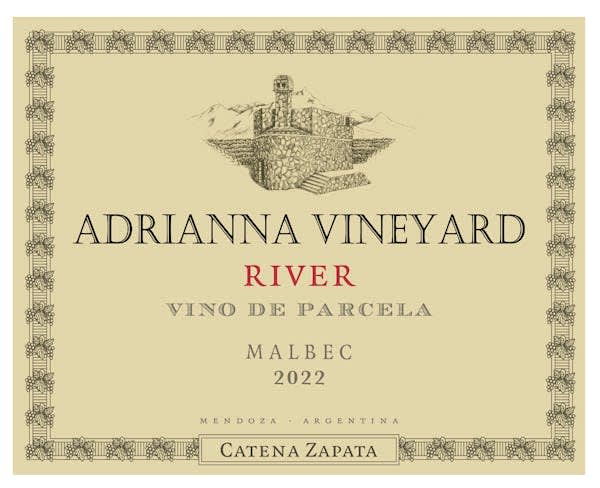
Red wine does not have a strict expiry date like perishable food items. Instead, it can age and improve in flavor over time, depending on the type of wine. Most red wines are best consumed within a few years of their release, while some premium wines can be cellared for decades. However, once opened, it is generally recommended to consume the wine within a few days to a week for optimal taste.
How can I tell if my red wine has gone bad?
To determine if red wine has gone bad, look for changes in color, smell, and taste. If the wine has developed a brownish hue, smells vinegary, or has an off or sour taste, it may have spoiled. Additionally, if the cork is pushed out or the bottle shows signs of leakage, it’s best to discard the wine.
What factors affect the shelf life of red wine?
The shelf life of red wine is influenced by several factors, including the wine’s acidity, tannins, and sugar content. Higher acidity and tannins generally contribute to a longer shelf life. Storage conditions also play a crucial role; wines should be stored in a cool, dark place with a stable temperature to prevent spoilage. The type of closure, such as cork or screw cap, can also impact longevity.
Can I drink red wine that is several years old?
Yes, many red wines can be enjoyed several years after their vintage date. However, it depends on the wine variety and how it was stored. Some wines are crafted for aging and will develop complex flavors over time, while others are meant to be consumed young. Checking reviews or expert recommendations for specific wines can provide guidance on whether they are still good to drink after a few years.
What should I do with opened red wine that I can’t finish?
If you have opened a bottle of red wine that you cannot finish, it’s best to re-cork it and store it in the refrigerator. While red wine is typically served at room temperature, refrigeration can slow down oxidation and help preserve the wine’s quality. Aim to finish the opened bottle within three to five days for the best taste. Alternatively, consider using leftover wine in cooking or making sangria.
Does red wine have an expiration date?
Red wine does not have a strict expiration date like perishable food items. However, it can evolve in taste and quality over time. Most red wines are meant to be consumed within a few years of their release, but some high-quality wines can age well for decades. Factors influencing the lifespan of red wine include the type of grape, storage conditions, and whether the bottle has been opened. Generally, if a bottle of red wine is stored properly in a cool, dark place, it can last several years without significant degradation.
How can I tell if my red wine has gone bad?
There are several signs that indicate red wine may have spoiled. First, check the color; if it appears brown or has lost its vibrant hue, it may be oxidized. Next, smell the wine; if it has a vinegar-like aroma or an off-putting odor, it is likely no longer good. Finally, taste a small amount; if the flavor is sour or has an unpleasant aftertaste, it’s best to avoid drinking it. If the wine has been stored properly but shows these signs, it’s likely past its prime and should be discarded.


