
 Chuck Furuya

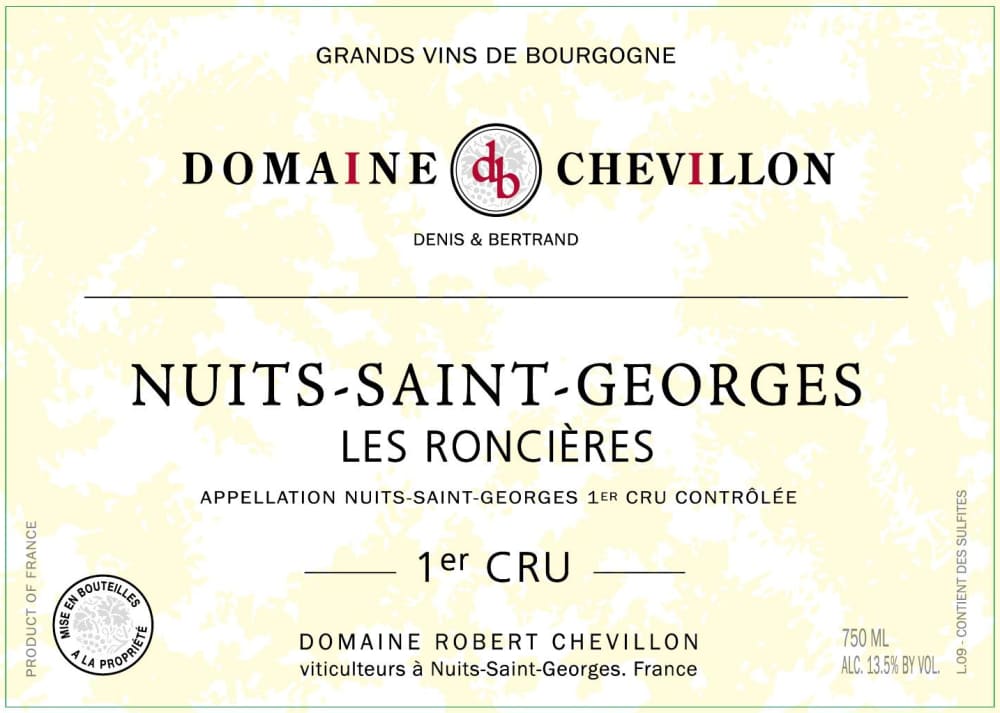
I recommend consuming the contents within three to five days for optimal flavor and quality. Once a bottle is uncorked, exposure to oxygen begins to alter its characteristics, leading to a gradual decline in taste.
To maximize enjoyment, keep the bottle sealed with its original cork or a wine stopper. Refrigeration slows down the oxidation process, allowing you to savor the remaining liquid a bit longer. However, the effects of air exposure will still be present.
Keep in mind that flavors may shift, and the profile could become less enjoyable beyond the recommended timeframe. If you notice off-putting aromas or flavors, it’s best to discard the remaining liquid. Prioritize quality and experience by monitoring the bottle closely during this period.
Red Wine Longevity in Refrigeration
When stored in a refrigerator, an opened bottle can last up to five days. However, the exact duration may vary based on several factors, including the type of closure and the wine’s tannin content.
Storage Tips
- Re-seal the bottle tightly with a cork or a specialized wine stopper to limit oxygen exposure.
- Store the bottle upright to minimize the wine’s surface area exposed to air.
- Keep the temperature consistent, ideally around 50-55°F (10-13°C).
Signs of Deterioration
Monitor for changes in color and aroma. A shift toward brown hues or a sharp, vinegar-like scent indicates spoilage. If the taste becomes overly sour or flat, it’s best to discard the remaining contents.
Understanding the Shelf Life of Opened Red Wine
I recommend consuming opened bottles within 3 to 5 days for optimal taste. The preservation method greatly influences longevity, with refrigeration slowing oxidation. It’s vital to reseal the bottle tightly using its original cork or a specialized stopper to reduce exposure to air.
Factors Affecting Longevity
Several elements can impact how long a bottle stays fresh. The type of grape used, alcohol content, and the wine’s tannin structure play crucial roles. Full-bodied varieties with higher tannins and acidity tend to last longer than lighter options. Additionally, environmental conditions, such as temperature fluctuations and humidity, can accelerate spoilage.
Signs of Deterioration
When assessing quality, I look for changes in aroma and flavor. A vinegar-like scent or a flat taste indicates that the drink has begun to degrade. Visual cues, such as cloudiness or sediment formation, can also signal that it’s time to discard the remaining liquid.
Always trust your senses; if something seems off, it’s best to err on the side of caution.
Signs That Your Red Wine Has Spoiled
The first indication that your favorite bottle has turned is a change in aroma. If you detect a sour or vinegar-like scent, it’s a clear sign that fermentation has resumed or spoilage has occurred.
Next, observe the color. A shift from a vibrant hue to a dull or brownish tint suggests oxidation, which often leads to undesirable flavors.
Taste is another vital factor. If the flavor profile has transformed into something overly sharp, bitter, or unpleasant, it’s best to discard it. A flat or lifeless taste can also indicate that the beverage has lost its appeal.
Additionally, check for any sediment or cloudiness. While some sediment is natural, an unusual haze can indicate spoilage.
Here’s a quick reference table summarizing signs of spoilage:
| Sign | Description |
|---|---|
| Aroma | Sour or vinegar-like scent |
| Color | Dull or brownish tint |
| Taste | Overly sharp, bitter, or flat flavor |
| Appearance | Unusual sediment or cloudiness |
By paying attention to these details, I can ensure that I enjoy only the best quality beverage. Trust your senses; they are the best guides in determining quality.
How to Properly Store Opened Red Wine in the Fridge
To maintain the quality of your opened bottle, ensure it’s recorked tightly or sealed with a vacuum pump. This minimizes oxygen exposure and slows down the degradation process.
Optimal Storage Conditions
Place the bottle upright to reduce the wine’s contact with the cork, which can lead to deterioration. Store it in the main compartment of the cooling unit rather than the door; this area maintains a more consistent temperature.
Time Limits for Enjoyment
Plan to consume the contents within 3 to 5 days for the best experience. Keep an eye on the flavor profile and aroma; changes may indicate it’s time to discard. A quick taste check will be your best indicator of freshness.
For longer storage, consider transferring to smaller bottles, which limits air space and helps preserve the remaining liquid. Always label the new container with the date of transfer for reference.


