Chuck Furuya


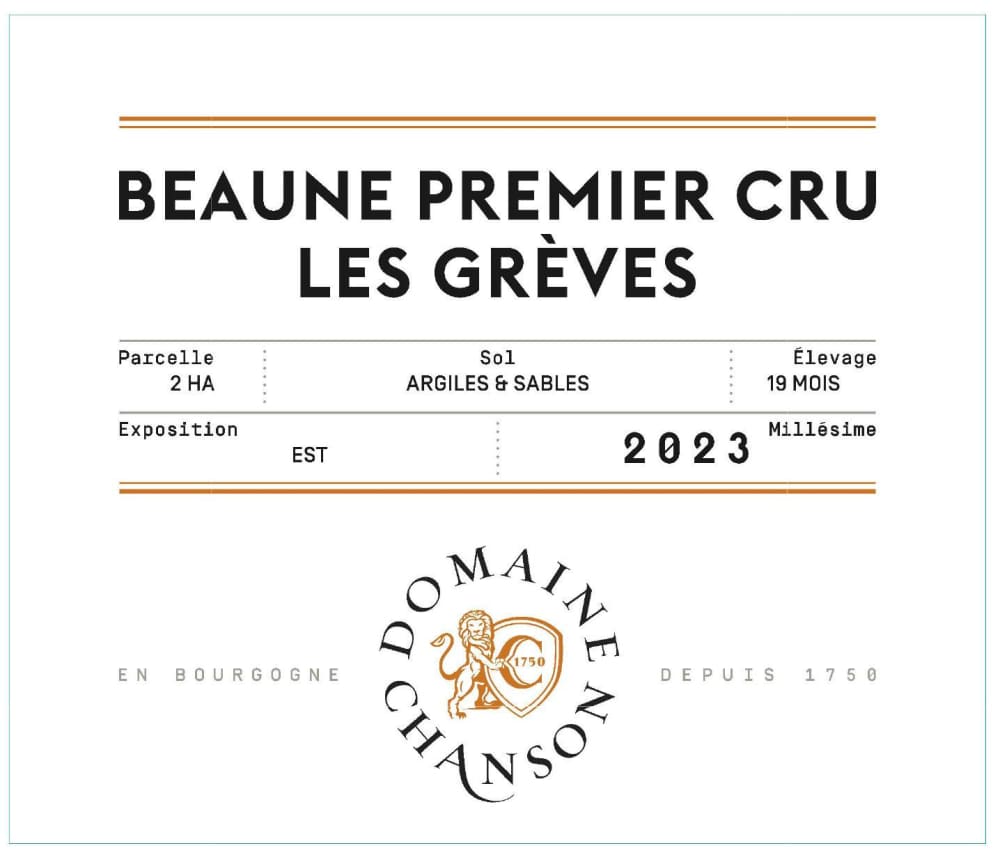
Enjoying a glass of this dark beverage at a slightly lower temperature enhances its rich flavors and aromas. I recommend chilling it to around 12-14°C (54-57°F) to achieve the best tasting experience. This practice is gaining popularity in various dining settings, from casual gatherings to fine dining establishments.
In Japan, the approach to serving this drink differs from many Western traditions. The Japanese palate often appreciates a crisp, refreshing profile, which is why a cooler temperature is preferred. This temperature helps to balance the natural sweetness and acidity, making each sip more enjoyable.

Moreover, serving this drink cold complements the diverse range of Japanese cuisine. The refreshing characteristics of the beverage can enhance dishes such as sushi or grilled meats, creating a harmonious pairing that highlights the unique flavors of both food and drink.
Chilled Red Varieties in Japanese Culture
To truly appreciate the unique flavors, I recommend serving these beverages at a temperature between 12°C and 16°C. This cooler range enhances the fruitiness and balances the tannins, making each sip more refreshing.
Flavor Profiles and Pairings
The lighter-bodied options, such as Pinot Noir, shine when slightly chilled. Their bright acidity pairs beautifully with traditional Japanese dishes, such as sushi or sashimi. The cooler temperature accentuates the wine’s delicate notes, allowing the nuances to emerge alongside the umami flavors of the cuisine.
Cultural Preferences
In this region, the appreciation for subtlety and finesse in taste is paramount. The practice of enjoying these beverages at lower temperatures aligns with the cultural emphasis on harmony and balance in dining experiences. This choice reflects a broader trend towards refreshing drink options, especially during warmer seasons.
For those exploring this practice, consider experimenting with various styles, as the cooling effect can transform the tasting experience, leading to delightful discoveries.
Historical Influences on Japanese Beverage Culture
Understanding the evolution of beverage traditions in this country reveals significant historical influences. The introduction of fermented grape products began with early contact with Portuguese traders in the 16th century. This marked the first notable interaction between Japanese society and Western viniculture.
During the Meiji Restoration in the late 19th century, Western customs gained traction. This period saw a surge in the adoption of Western culinary practices, including the consumption of fermented grape beverages. The establishment of wineries in regions such as Yamanashi laid the foundation for the local industry.
Japanese agricultural practices also played a crucial role. The unique climate and soil conditions in certain areas allowed for the cultivation of specific grape varieties. Over time, local producers began to experiment with these grapes, leading to the creation of distinct offerings that reflect regional characteristics.
- Influence of Portuguese Traders: Initial introduction and cultural exchange.
- Meiji Restoration: Adoption of Western habits and establishment of local wineries.
- Regional Agriculture: Unique terroir contributing to distinct flavors.
In contemporary times, the interest in pairing these beverages with traditional cuisine has grown. Chefs and sommeliers are increasingly exploring how the flavors from local cuisine harmonize with the profiles of various offerings. This trend continues to shape the preferences of consumers in the country.
Ultimately, the historical interplay of foreign influence, local agriculture, and culinary innovation has crafted a unique beverage culture that continues to evolve and adapt to modern tastes.
Temperature Preferences in Japanese Cuisine
In Japanese culinary traditions, serving temperatures significantly influence flavor perception and overall enjoyment. For instance, dishes like sashimi are best enjoyed at around 10-15°C, enhancing the freshness of the fish. Similarly, warm dishes, such as ramen, are typically served at approximately 70-80°C, which helps to retain aroma and texture.
Optimal Serving Temperatures
Understanding the ideal temperatures for various foods can elevate dining experiences. Below are common Japanese dishes with their corresponding preferred temperatures:
| Dish | Preferred Temperature (°C) |
|---|---|
| Sashimi | 10-15 |
| Ramen | 70-80 |
| Tempura | 60-70 |
| Miso Soup | 60-70 |
| Chawanmushi (Egg Custard) | 60-70 |
Impact on Dining Experience
Temperature not only affects taste but also influences the texture and aroma of food. For example, serving grilled dishes like yakitori at a higher temperature enhances the smoky flavor. Meanwhile, chilled desserts such as mochi ice cream are served at lower temperatures to provide a refreshing finish to meals.
Impact of Climate on Wine Serving Practices
In regions where temperatures soar, refreshing beverages take precedence. For enthusiasts, enjoying a lightly cooled beverage can enhance the tasting experience, particularly in warmer climates. The choice of temperature can significantly influence flavor perception, accentuating certain notes while muting others.
Temperature Preferences by Region
In areas with high humidity and summer heat, serving beverages at lower temperatures can make them more palatable. Cooler temperatures help in providing a crisp sensation, which is often more enjoyable in sweltering conditions. This practice is reflected in various cultures, influencing how beverages are consumed.
| Region | Preferred Serving Temperature (°C) | Influencing Climate |
|---|---|---|
| Southern Europe | 12-14 | Warm Mediterranean climate |
| Japan | 10-15 | Seasonal variations with humid summers |
| South America | 13-16 | Tropical and subtropical conditions |
Impact on Pairing with Local Cuisine
Temperature adjustments play a significant role in food pairing. Cooler beverages complement lighter dishes, seafood, and fresh vegetables, which are common in regions with warmer climates. This synergy enhances the overall dining experience, aligning flavors and textures effectively.
Comparison of Red Wine Serving Temperatures Worldwide
For optimal enjoyment, I recommend serving this beverage at temperatures tailored to regional preferences:
- France: Typically enjoyed at 14-16°C (57-61°F), especially in regions like Bordeaux and Burgundy, where the cooler climate allows for a fuller expression of flavors.
- Italy: Often best at 16-18°C (61-65°F); this range enhances the characteristics of Italian varietals, particularly in warmer areas such as Tuscany.
- Spain: Commonly served at around 15-17°C (59-63°F). Spanish reds, like Tempranillo, benefit from slightly cooler temperatures to highlight their complexity.
- United States: In California, a temperature of 16-18°C (61-65°F) is standard, allowing the robust flavors of local varietals to shine.
- Argentina: For Malbecs, 16-18°C (61-65°F) is preferred, balancing the fruitiness with the wine’s structure.
- Australia: Enjoyed at 15-18°C (59-65°F), particularly in warmer regions like Barossa Valley, where cooler serving temperatures enhance the wine’s refreshing qualities.
Understanding these variations helps in appreciating how cultural factors influence temperature preferences. Each region’s climate and cuisine contribute to a distinct approach, making the experience unique.
Across different countries, the trend leans towards slightly cooler temperatures than traditionally expected, allowing for a refreshing profile that contrasts with the warmer styles often found in other contexts.
Cultural Significance of Chilled Red Wine
The practice of enjoying a cooler temperature for this beverage aligns with Japan’s appreciation for subtlety and refinement in dining experiences. This preference reflects a broader cultural inclination towards balance, harmony, and the enhancement of flavors. By serving this drink at lower temperatures, the complex aromas and taste profiles are accentuated, allowing for a more nuanced tasting experience.
Pairing with Japanese Cuisine
A key element in the enjoyment of this drink lies in its pairing with traditional dishes. Many Japanese meals emphasize fresh ingredients and delicate flavors, making the cooler beverage an ideal companion. The cooler temperature can soften tannins, resulting in a smoother taste that complements various dishes, from sushi to grilled meats.
Social and Ritualistic Aspects
This beverage also plays a role in social settings, where sharing a cooler drink enhances camaraderie among friends and family. It is not uncommon to see this drink featured in celebratory gatherings or casual meet-ups, symbolizing connection and enjoyment. The act of pouring and toasting further cements its place in social rituals, making the experience not just about the drink itself, but the shared moments that accompany it.
Pairing Red Wine with Traditional Japanese Dishes
For a delightful experience, I recommend pairing a light-bodied Shiraz with grilled yakitori. The wine’s fruitiness complements the savory flavors of the skewered chicken, enhancing the overall taste profile.
A medium-bodied Pinot Noir works exceptionally well with sushi, particularly fatty types like salmon or tuna. The wine’s acidity balances the richness of the fish, creating a harmonious combination.
When enjoying a hearty bowl of ramen, especially with a rich tonkotsu broth, a Gamay or a lighter Merlot can elevate the dish. The fruity notes in these wines cut through the richness of the broth, providing a refreshing contrast.
For those indulging in a traditional beef tataki, a chilled Tempranillo offers an intriguing pairing. The wine’s earthiness complements the umami flavors of the seared meat, enhancing the overall dining experience.
With teriyaki dishes, a smooth Cabernet Sauvignon pairs beautifully. Its robust flavors stand up to the sweetness of the sauce, creating a well-rounded combination that pleases the palate.
Try a chilled Zinfandel with a spicy tuna roll. The wine’s jammy notes balance the heat from the wasabi and spices, creating a pleasant flavor explosion.
Lastly, for a unique pairing, I suggest a fruity Malbec with grilled eel. The wine’s smoky undertones complement the charred flavors of the eel, making for an unforgettable meal.
Consumer Trends in Japan’s Wine Market
Current preferences among Japanese consumers indicate a growing interest in diverse grape varieties. Notably, the acceptance of less conventional choices has surged, with blends and lesser-known varietals gaining traction. This shift reflects a broader willingness to explore flavors beyond traditional options.
Online purchasing has become increasingly popular. Many consumers are opting for e-commerce platforms to discover and buy wines, driven by convenience and access to a wider selection. This trend is particularly pronounced among younger demographics, who value the ability to research and compare products from the comfort of their homes.
Social Influence and Wine Culture
Social media plays a pivotal role in shaping preferences. Influencers and wine enthusiasts share their experiences, creating a community that encourages experimentation. This digital engagement has led to a rise in wine tasting events and educational workshops, fostering a deeper appreciation for different styles and regions.
Health Conscious Choices
Health considerations are also influencing buying behavior. Many consumers are gravitating towards organic and low-sulfite options, reflecting a broader global trend towards wellness. This shift in focus showcases a desire for quality and transparency in sourcing, with labels that highlight sustainable practices gaining favor.
Overall, these trends highlight a dynamic market where traditional boundaries are being challenged, paving the way for innovation and exploration in the beverage sector.