Chuck Furuya

Pouring a glass and allowing it to breathe can transform the experience of enjoying a fine Burgundy. By exposing the liquid to air, I can enhance its aroma and flavor profile, allowing the complex notes to unfold more fully.
While swirling the glass, I notice how the interaction with oxygen softens the tannins, creating a smoother mouthfeel. This process can significantly improve the drinkability of a young vintage, making it more approachable for immediate consumption.
It’s fascinating to observe how a few minutes of exposure can diminish harshness, revealing layers of fruit, spice, and earthiness. I prefer to let my pour rest for at least 30 minutes, as the flavors evolve dramatically, offering a richer tasting experience.

For those with a bottle that has been cellared for years, I recommend decanting to separate sediment and allow the bouquet to flourish. The act of oxygenation can breathe new life into older vintages, enhancing their elegance and complexity.
Understanding the Chemical Changes During Aeration
Oxidation is the primary reaction taking place when exposing a bottle of wine to air. Oxygen interacts with compounds such as phenolics, which include tannins and anthocyanins, leading to a softening of astringent flavors and a more rounded mouthfeel. This transformation can enhance the overall balance of the beverage.
Enhancement of Aromatic Profile
The exposure to oxygen promotes the volatilization of aromatic compounds. This process allows for the release of esters and other flavorful molecules, resulting in a more pronounced bouquet. As these volatile compounds escape, the aromatic complexity increases, revealing layers of fruit, spice, and earthy notes that may not have been perceptible initially.
Stabilization and Color Change
With time, the color of the beverage can shift from a vibrant hue to a more muted tone due to the polymerization of tannins. This reaction not only alters the visual appeal but also contributes to the stability of the color, leading to a more integrated appearance. The aging process, accelerated by air exposure, can also help in the precipitation of unwanted sediments, creating a clearer liquid.
How Aeration Affects the Flavor Profile of Red Wine
I recommend allowing your bottle to breathe for at least 30 minutes to an hour before tasting. This process enhances the flavors significantly. The exposure to oxygen softens tannins, making the experience smoother and more approachable.
During this time, various flavor compounds evolve. The harshness often associated with young vintages dissipates, revealing more complex notes. For instance, fruity characteristics may become more pronounced, while earthy undertones can develop, creating a more rounded profile.
| Flavor Component | Before Aeration | After Aeration |
|---|---|---|
| Tannins | Harsh, astringent | Softer, smoother |
| Fruits | Subdued, less defined | Bright, more vibrant |
| Earthy Notes | Minimal | Enhanced, more noticeable |
| Spices | Hidden | Flourished |
Interestingly, certain varietals respond better than others. For example, a Cabernet Sauvignon may benefit more from this exposure compared to a lighter Pinot Noir. The structure and body of the wine dictate the degree of enhancement. I’ve noticed that letting it breathe can add layers of complexity, making each sip a new experience.
Finally, the vessel used for this exposure can also impact the outcome. A decanter provides increased surface area, accelerating the interaction with air. Alternatively, simply pouring into a glass can suffice for a brief enhancement. Experimenting with different methods allows for personal preference to shine through.
Best Methods for Aerating Red Wine at Home
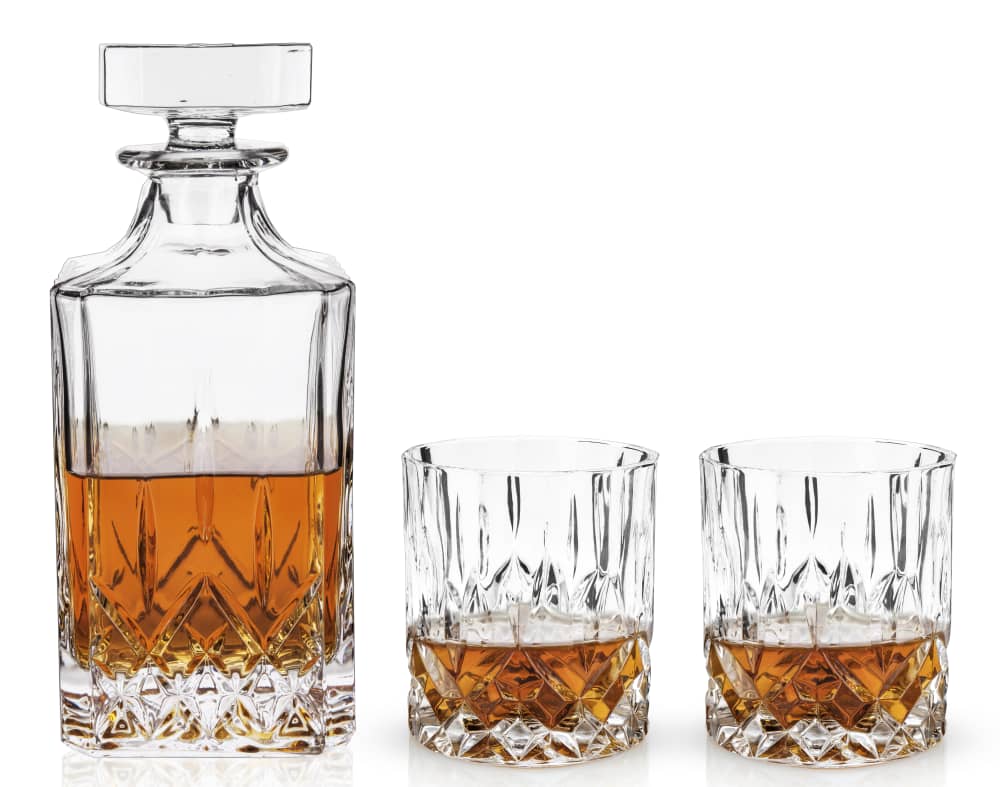
I recommend using a decanter for optimal results. Pouring your beverage into a decanter increases the surface area, allowing for better exposure to oxygen. Aim to let it breathe for at least 30 minutes, but some varieties benefit from even longer exposure.
If a decanter isn’t available, a simple carafe works well too. The same principles apply: transfer the liquid to a wider vessel to enhance oxidation.
For a quicker alternative, consider using an aerator. These devices are designed to mix air with the liquid as you pour. Many models are compact and easy to use for instant results.
Another technique is the “swirling” method. In a glass, gently swirl the beverage to incorporate air. This method is effective for immediate enjoyment, especially if time is limited.
Here’s a list of methods to consider:
- Decanting
- Using an aerator
- Swirling in a glass
- Pouring from a height into a glass
- Using a blender (for adventurous types)
Each approach serves to enhance the aromatic profile and soften tannins, allowing for a more enjoyable tasting experience. Try different methods to see which suits your palate best.
Timing: When to Aerate Red Wine for Optimal Enjoyment
For peak enjoyment, I recommend opening a bottle at least 30 minutes before serving. This allows ample time for the liquid to interact with air and develop its full bouquet. However, some varieties benefit from even longer exposure, especially those with higher tannin levels.
- Young Vintages: Generally, these wines require 1 to 2 hours of exposure. This helps soften their tannins and enhance fruit flavors.
- Mature Wines: A brief aeration of about 15 to 30 minutes is often sufficient. Overexposure can lead to loss of delicate aromas.
- Full-Bodied Reds: Varieties like Cabernet Sauvignon or Syrah often thrive with 1 to 3 hours of air, allowing their complex profiles to shine.
- Light Reds: Pinot Noir or Gamay can be appreciated after just 15 to 30 minutes, preserving their freshness and acidity.
Temperature also plays a role. Serving slightly below room temperature allows the flavors to emerge more prominently as they warm up, making pre-aeration even more effective.
Finally, always taste as you go. Regularly sampling the liquid during aeration provides insight into its evolving character, helping to determine the perfect moment to enjoy it.
FAQ:
What is aeration and how does it affect red wine?
Aeration is the process of exposing wine to air, which can enhance its flavors and aromas. When red wine is aerated, it allows oxygen to interact with the wine, softening tannins and releasing volatile compounds. This process can make the wine taste smoother and more complex, helping to balance its flavors and improve overall enjoyment.
How long should red wine be aerated for optimal results?
The optimal aeration time for red wine varies depending on the type of wine and its age. Young, bold reds may benefit from aeration for 1 to 2 hours, while older, more delicate wines might only need 30 minutes to an hour. It’s best to taste the wine periodically during aeration to find the right balance of flavors.
Can you aerate red wine by simply swirling it in a glass?
Yes, swirling red wine in a glass is a simple and effective way to aerate it. The motion increases the wine’s surface area, allowing more oxygen to mix with the wine. This method can quickly enhance the wine’s aromas and flavors, making it a popular choice for casual tastings or when you’re short on time.
What are some common methods of aerating red wine?
There are several methods to aerate red wine. The most common include using a decanter, where the wine is poured into a separate vessel, allowing for maximum exposure to air. Another method is using an aerator, a device designed to introduce air into the wine as it is poured. Swirling in a glass is also effective for immediate aeration. Each method has its own advantages and can be chosen based on preference and convenience.
Does aeration affect all types of red wine in the same way?
No, aeration does not affect all red wines equally. Young, tannic red wines like Cabernet Sauvignon or Syrah often benefit significantly from aeration, as it helps soften harsh tannins and enhances the wine’s complexity. Conversely, delicate older wines may lose some of their subtle flavors if over-aerated. Understanding the characteristics of the specific wine can help determine the best aeration approach.
What is the purpose of aerating red wine?
Aeration serves several purposes for red wine. Primarily, it allows the wine to come into contact with air, which helps to soften its tannins and enhance its aromas and flavors. When red wine is exposed to oxygen, it can open up and reveal more complex characteristics that may not be apparent when the wine is poured directly from the bottle. This process can improve the overall drinking experience, making the wine taste smoother and more enjoyable.
How long should I aerate my red wine for optimal results?
The ideal aeration time can vary depending on the specific wine. Generally, younger red wines may need aeration for 30 minutes to 2 hours, while older wines might only require a shorter exposure, around 15 to 30 minutes. It’s a good idea to taste the wine at intervals during the aeration process to determine when it reaches your preferred flavor profile. Different wines may respond differently to aeration, so personal preference plays a significant role in this timing.
Can I aerate red wine using a decanter, and how does it work?
Yes, a decanter is an excellent tool for aerating red wine. When you pour wine into a decanter, it increases the surface area exposed to air, allowing oxygen to interact with the wine more effectively. The wider opening of the decanter compared to a wine bottle promotes faster aeration. Additionally, decanting helps separate any sediment from older wines, providing a clearer and more enjoyable pour. After decanting, it’s best to let the wine sit for a while to fully develop its flavors.
Are there any red wines that do not benefit from aeration?
Some red wines, particularly lighter-bodied or delicate varieties, may not benefit significantly from aeration. For instance, wines like Pinot Noir or Gamay can sometimes be best enjoyed straight from the bottle, as their subtle flavors might be overwhelmed by excessive exposure to air. Additionally, very old wines that have aged for decades may not require aeration, as their delicate nature can be easily disrupted. It’s important to consider the specific characteristics of each wine before deciding to aerate.