Chuck Furuya
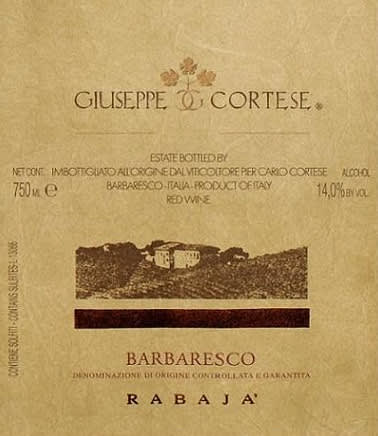
To achieve the perfect temperature for enjoying a fine vintage, I recommend submerging the container in warm water, ensuring it reaches around 60-65°F (15-18°C). Avoid boiling water, as it can adversely affect the delicate flavors.
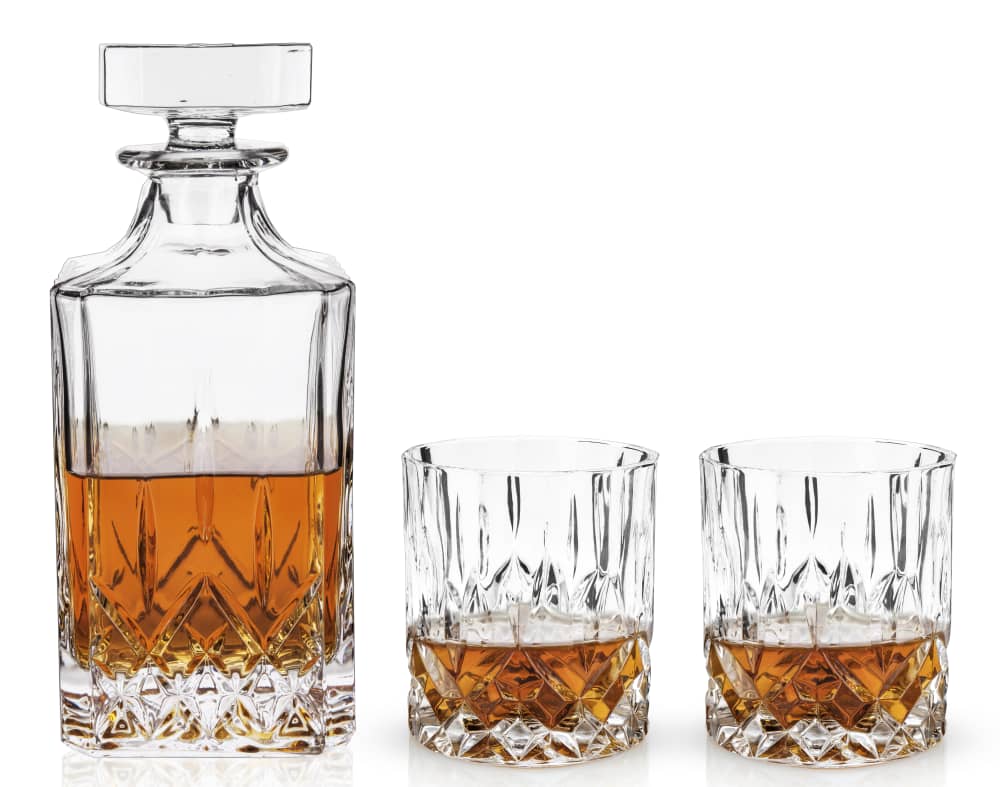
Another method I find effective involves using a decanter. Pour the liquid into the decanter and let it sit for about 20 minutes at room temperature. This not only helps in elevating the temperature but also enhances the aromas through aeration.
If time is of the essence, a gentle hand warming can also work. Hold the vessel in your palms, rotating it occasionally to distribute the warmth evenly. This method can elevate the temperature gradually, allowing for a more controlled approach.
Whichever technique I choose, patience is key. Monitoring the temperature with a wine thermometer ensures optimal enjoyment without sacrificing quality.
Warming Techniques for Your Favorite Red Beverage
Utilize a simple water bath for a gentle increase in temperature. Fill a larger container with warm water, ensuring it doesn’t reach boiling point. Submerge the glass vessel in the water for approximately 10-15 minutes. This method allows for gradual heat absorption without risk of overheating.
Alternatively, consider using a microwave, but with caution. Pour a small amount of the liquid into a microwave-safe glass. Heat it on low power in short increments of 10-15 seconds, stirring in between to distribute the warmth evenly. Once warmed, combine it back with the remaining liquid, ensuring the overall temperature aligns with your preference.
Another effective technique involves the use of a heating pad or blanket. Wrap the container securely in the heating pad set to low. This method can take 20-30 minutes but offers consistent warmth without direct heat.
| Method | Time Required | Notes |
|---|---|---|
| Water Bath | 10-15 minutes | Gentle and safe |
| Microwave | 1-2 minutes | Requires caution, stir frequently |
| Heating Pad | 20-30 minutes | Consistent warmth, low setting |
Lastly, for those who prefer a more interactive approach, holding the vessel in your hands can naturally elevate its temperature. The body heat will gradually warm the contents, while also allowing you to enjoy the aroma as it rises.
Understanding the Ideal Temperature for Red Wine
The optimal serving temperature for this type of drink typically ranges from 60°F to 65°F (15°C to 18°C). Serving at this range allows the flavors and aromas to express themselves fully. For lighter varieties, such as Pinot Noir, aim for the lower end of this spectrum, while fuller-bodied options like Cabernet Sauvignon benefit from slightly higher temperatures.
Impact on Flavor Profile
Temperature significantly influences the taste experience. At lower temperatures, the acidity and tannins can be more pronounced, which might overshadow the fruit characteristics. Conversely, serving too warm may result in an overwhelming sensation of alcohol, masking the subtleties. Striking the right balance enhances the overall tasting experience.
Practical Tips for Achieving Ideal Temperature
To achieve the desired temperature, I recommend placing the container in a cool area for about 20-30 minutes before serving. Alternatively, gently swirling the glass can help to bring the drink to the perfect warmth, allowing the aromas to flourish. Avoid direct heat sources, as they can quickly raise the temperature beyond the optimal range.
Choosing the Right Method to Warm Up Wine
For optimal enjoyment of your favorite varietal, I recommend using a gentle approach. The key is to increase temperature gradually, preserving the delicate flavors and aromas. Here are some effective techniques:
1. Water Bath Technique
- Fill a container with warm (not boiling) water.
- Submerge the vessel partially, ensuring the cork remains dry to prevent contamination.
- Monitor the temperature, allowing approximately 10-15 minutes for a slight increase.
2. Room Temperature Method
- Simply place the container in a warmer area of your home.
- Check periodically, as this method can take up to an hour.
- It’s a passive approach that requires minimal effort and avoids drastic changes.
Each method has its advantages. The water bath offers quicker results, while the room temperature method is less hands-on. Adapt your choice based on the time you have available and the desired result.
Using Warm Water for Gentle Heating
I recommend filling a bowl or a sink with warm water, ensuring it’s not boiling. The temperature should be comfortably warm to the touch, ideally between 100°F and 110°F (38°C to 43°C). Submerge the vessel for about 10 to 15 minutes, allowing the heat to gradually penetrate the liquid without causing any shock to the flavors.
Make sure the cork is not submerged to avoid any risk of moisture affecting its integrity. If the cork swells, it might compromise the seal, leading to oxidation. This method offers a controlled way to elevate the temperature, maintaining the integrity of the beverage while enhancing its aroma and taste.
Keep an eye on the time; exceeding the recommended duration can lead to overheating. After removal, give it a gentle swirl before serving to fully release the bouquet. This technique is excellent for achieving a balanced profile without the risk of spoiling the experience.
Employing a Wine Decanter for Temperature Control
Utilizing a decanter is an effective method to achieve the desired warmth for your favorite varietal. By pouring the liquid into a decanter, you increase the surface area exposed to air, which not only enhances aeration but also aids in reaching the optimal temperature.
Before you begin, ensure the decanter is clean and dry. Pour the contents gently to avoid unnecessary splashing, which can cool the liquid. The shape of the decanter can influence the rate of warming; wider decanters allow for faster temperature adjustment due to greater exposure to ambient air.
For those who want to control the temperature precisely, let the decanter sit at room temperature for a period. This passive method can be particularly effective if the environment is warm. Monitor the temperature with a wine thermometer to ensure it aligns with your preferences.
Additionally, consider placing the decanter in a warm spot, away from direct sunlight, which can cause fluctuations. A countertop near a heat source, like a stove, can facilitate a gradual increase in warmth without risking overheating.
Decanting can also enhance the overall tasting experience. The interaction with air not only elevates the temperature but also allows the aromas to develop, making each sip more enjoyable. After a brief period, taste the liquid to gauge if it has reached the ideal state for consumption.