Chuck Furuya

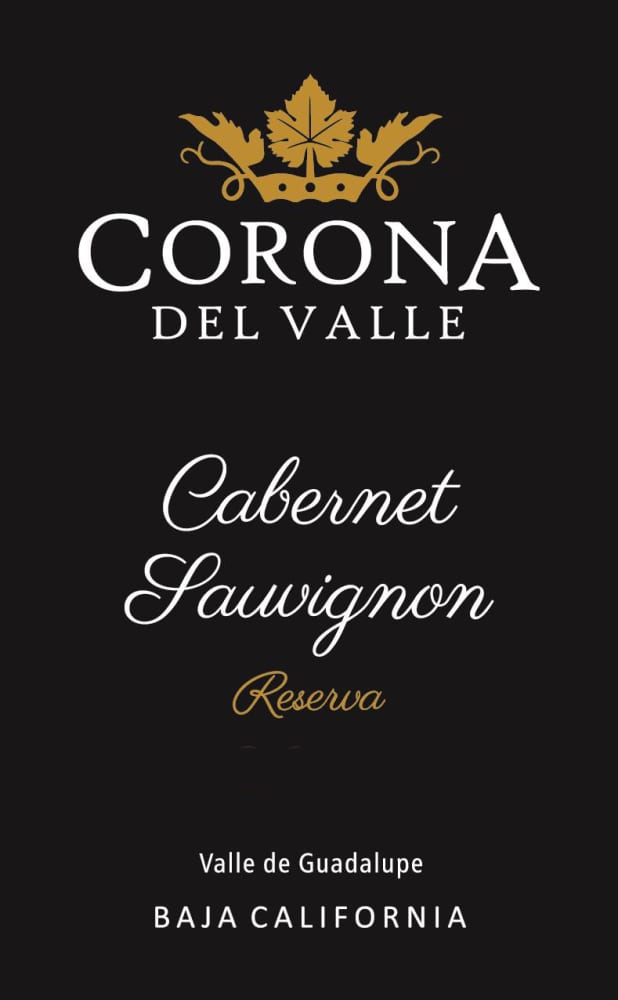
Choosing a bottle labeled as reserve can enhance your experience. Typically, this term signifies a higher quality product, often aged longer than standard offerings. Expect a more complex flavor profile, with depth and richness that reflects the winemaker’s intention.
When selecting a bottle, pay attention to the region of origin. In regions such as Spain or Italy, the regulations governing reserve classifications may differ significantly from those in the New World. For instance, Spanish reservas require a minimum aging period of three years, while Italian equivalents may have varying stipulations depending on the specific designation.
Pairing these selections with food can elevate your dining experience. Rich, full-bodied options complement hearty dishes like lamb or beef, while lighter reserves may pair beautifully with poultry or pasta. Always consider the balance of flavors to ensure a harmonious match.
Understanding the Term for High-Quality Wines
For aficionados, a label indicating premium classification often signifies a heightened standard of craftsmanship and aging. These selections typically undergo stringent criteria in their production process. Here are key aspects to consider:
Aging Requirements
- Typically aged for a minimum period, which varies by region and regulations.
- Longer maturation periods generally enhance complexity and depth of flavor.
- Barrel aging in oak or other woods contributes unique characteristics.
Quality Control
- Producers adhere to strict quality assessments, ensuring only the finest batches are labeled accordingly.
- Grapes are usually hand-harvested, allowing for meticulous selection.
- Winemakers often utilize traditional techniques to preserve integrity and authenticity.
In summary, when selecting a bottle with this designation, expect a blend that reflects superior craftsmanship, careful aging, and a commitment to quality that enhances the tasting experience.
Understanding the Criteria for Reserve Red Wine Classification
To classify a wine as a special selection, certain benchmarks must be met. First, the aging period is crucial; typically, a minimum of 12 months in oak barrels is standard, followed by additional time in the bottle. This process enhances complexity and depth.
Next, the grape varieties used often play a significant role. Specific varietals, such as Tempranillo or Cabernet Sauvignon, are frequently chosen for their aging potential and ability to develop rich flavors over time.
Provenance is another factor. Wines sourced from renowned regions, where terroir contributes to unique characteristics, are more likely to receive this classification. Regions like Bordeaux, Napa Valley, and Rioja are well-regarded for producing exemplary choices.
Expertise in winemaking techniques also influences the classification. Meticulous vineyard practices, selective harvesting, and careful blending contribute to the overall quality. Additionally, the winemaker’s reputation can affect a wine’s standing in the market.
Tasting panels often assess flavor profiles, aroma, and finish, ensuring that only those that exhibit exceptional quality and complexity are labeled as a selection. This multi-faceted approach guarantees that such bottles offer an elevated experience for connoisseurs.