Chuck Furuya
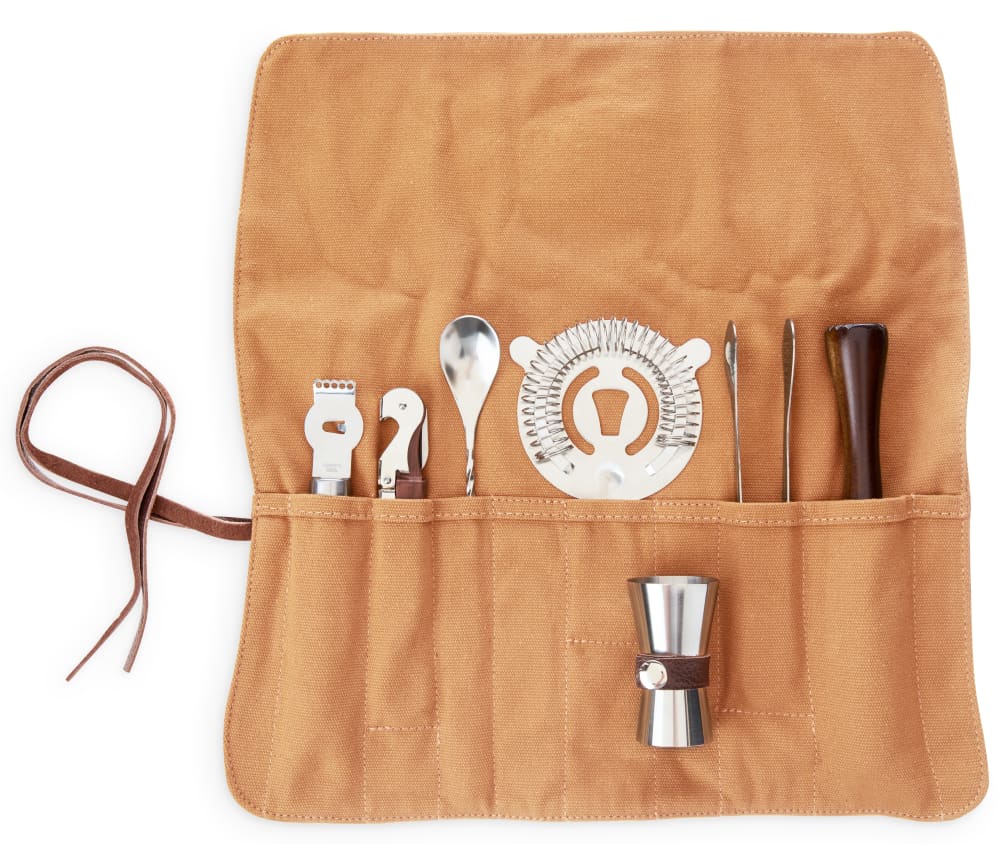

First, ensure you have the right tools at hand: a corkscrew, a decanter, and appropriate glassware. Position the corkscrew above the bottle’s neck, placing the screw into the center of the cork. Gently twist the handle, allowing the screw to penetrate the cork. Continue twisting until the cork is almost completely removed, then pull it out evenly to avoid breakage.
Once uncorked, pour a small amount into a glass for initial assessment. This step allows for checking clarity and aroma before proceeding. Ideally, let the liquid breathe for at least 30 minutes to enhance its characteristics. Using a decanter can accelerate this process, allowing the air to interact with the beverage more effectively.
For service, tilt the vessel slightly, pouring into the glass without exceeding the widest part. This ensures optimal aeration and prevents any spills. Aim to fill the glass to about one-third full, allowing room for swirling and further aroma release. Serve at the recommended temperature, typically between 60°F and 65°F, to fully appreciate the flavors. Enjoy the tasting experience with food pairings that complement the profile of your chosen selection.
Selecting the Right Tools for Opening Red Wine
Prioritize a reliable corkscrew for effortless extraction. A waiter’s friend corkscrew is my go-to choice due to its compact design and integrated bottle opener. Look for one with a double lever for added leverage.
Consider a foil cutter to neatly remove the capsule from the neck. A simple wheel or blade cutter works efficiently, ensuring a clean cut without compromising the cork.
A wine collar can be beneficial to catch drips while pouring. This accessory helps maintain a tidy serving area and enhances the presentation.
For those who prefer an electric corkscrew, select a model with a rechargeable battery. These devices offer convenience and ease, particularly for larger gatherings.
Lastly, a wine aerator can enhance the tasting experience by allowing the liquid to breathe. This tool is especially useful for younger vintages that benefit from oxidation.
- Waiter’s friend corkscrew
- Foil cutter
- Wine collar
- Electric corkscrew (rechargeable)
- Wine aerator
Techniques for Properly Uncorking a Bottle
To efficiently extract the cork, I position the corkscrew at the center of the cork, applying steady pressure while twisting clockwise. This ensures the spiral penetrates deeply without damaging the cork. Once the screw is fully inserted, I leverage the handle to gently pull upwards, maintaining a firm grip on the neck to prevent slippage.
For older vintages, I prefer to use a two-pronged ah-so tool. I insert the prongs carefully between the cork and the neck, gently rocking back and forth while pushing downwards. This technique minimizes the risk of cork crumbling, often encountered with aged wines.
In cases where the cork is particularly stubborn, warming the neck of the vessel slightly can help. I employ a warm cloth or gently rotate it in my hands to expand the glass, making it easier to remove the cork without force.
| Technique | Advantages |
|---|---|
| Corkscrew Method | Quick and straightforward for most corks |
| Ah-So Method | Ideal for fragile, older corks |
| Neck Warming | Helps with stubborn corks, reducing breakage risk |
After successfully removing the cork, I recommend inspecting it for any signs of spoilage. A clean, dry cork indicates proper storage, while a wet or crumbling cork might suggest issues. This attention to detail enhances the overall tasting experience.
Optimal Serving Temperatures and Glassware Choices
For optimal enjoyment, a temperature of 60-65°F (15-18°C) is recommended for most varietals. Lower temperatures can mute aromas, while higher can overwhelm the palate. A good practice is to chill heavier reds slightly, around 60°F, allowing flavors to emerge without being too warm.
Choosing glassware significantly impacts the tasting experience. A standard red wine glass features a broader bowl, promoting aeration, while a narrower rim helps retain aromas. The size of the bowl allows for swirling, enhancing the release of the wine’s bouquet. For complex blends or older vintages, select glasses with a larger capacity to accommodate oxygen exposure.
Specific varietals may benefit from tailored glass shapes. For example, a Bordeaux glass, with its tall stem and wide bowl, is ideal for Cabernet Sauvignon, while a Burgundy glass, with a broader bowl, suits Pinot Noir well. Investing in a set of quality glasses ensures that each sip is a true representation of the wine’s character.