Chuck Furuya


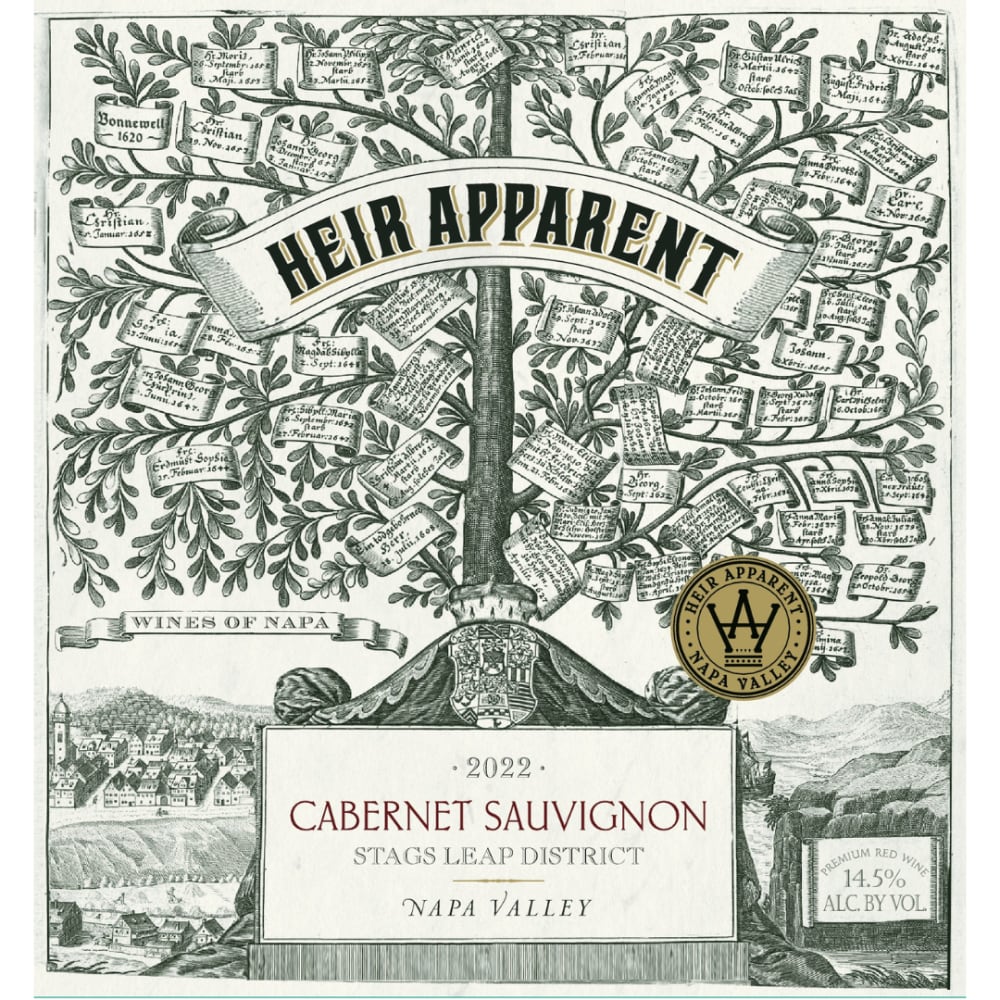
I recommend using a full-bodied variety for depth and complexity. Begin with two cups of your selected vintage, pouring it into a saucepan over medium heat. Allow it to simmer gently, letting the alcohol evaporate while concentrating the flavors.
Next, incorporate finely chopped shallots–about a quarter cup will suffice. Sauté them until translucent, releasing their natural sweetness. This step adds a layer of richness that elevates the overall profile of the sauce.
After the shallots have softened, include a sprig of fresh thyme and a bay leaf for aromatic notes. Continue to simmer, reducing the mixture to about one cup. Patience is key; this process intensifies the taste and ensures a smooth texture.
Once the desired consistency is reached, strain the liquid to remove solids. At this stage, whisk in a tablespoon of cold butter to create a glossy finish, enhancing the mouthfeel. Adjust seasoning with salt and freshly cracked pepper to taste.
This sauce pairs beautifully with roasted meats and can be stored in the refrigerator for several days, making it a convenient addition to various dishes.
Choosing the Right Red Wine for Demi Glace
I recommend opting for a full-bodied variety like Cabernet Sauvignon or Merlot. These selections provide depth and richness that enhance the sauce’s flavor profile.
Consider a wine with balanced acidity, as it helps to cut through the richness of the sauce. A Syrah or Zinfandel can offer the necessary acidity alongside bold fruit flavors.
Avoid overly sweet or light wines, as they may dilute the sauce’s intensity. Wines aged in oak barrels can contribute desirable notes of vanilla and spice, which complement the sauce beautifully.
Ultimately, choose a bottle you enjoy drinking, as the quality of the liquid directly impacts the final result. A good rule is to use a wine that you would pair with the dish being served.
Essential Ingredients for a Flavorful Sauce
High-quality stock forms the backbone of this sauce. I prefer using homemade beef or veal stock, as it adds depth and richness. If time is tight, a good store-bought option can work in a pinch, but the flavor won’t compare to homemade.
Key Components
- Onions: Caramelized onions contribute sweetness and complexity. I often use yellow onions for their balance of sharpness and sweetness.
- Carrots: These add a subtle earthiness. I chop them finely to ensure they blend seamlessly during cooking.
- Celery: This herbaceous vegetable enhances the aromatic profile. A few stalks are all I need.
- Tomato Paste: A concentrated source of umami, it builds a robust flavor base. I prefer to sauté it briefly to deepen the flavor before adding other liquids.
Herbs and Spices
- Thyme: Fresh thyme provides aromatic notes. I add a few sprigs early in the process and remove them before serving.
- Bay Leaves: These impart a subtle depth. One or two leaves suffices.
- Black Pepper: Freshly cracked enhances the overall seasoning. I adjust to taste.
Each of these ingredients plays a critical role in building layers of flavor that elevate the final dish. Careful selection and preparation will yield the most rewarding results.
Step-by-Step Reduction Process Explained
Begin by pouring your chosen liquid into a saucepan. Aim for a volume that fills about one-third of the pan to allow for proper evaporation. Place the saucepan over medium heat. Stir occasionally to prevent sticking and burning.
Heating and Simmering
Once the mixture reaches a gentle simmer, reduce the heat to low. This slow cooking method encourages flavors to concentrate without scorching. Continue to monitor the liquid, adjusting the heat as necessary to maintain a steady simmer.
Monitoring Consistency
After about 30 minutes, begin checking the consistency. I prefer using a spoon to test; the liquid should coat the back. If it drips quickly off the spoon, keep simmering. The final reduction should yield a thick, syrupy texture, typically taking about one to two hours depending on the initial volume.
Once reached, remove the saucepan from heat. Allow cooling slightly before straining through a fine mesh sieve to remove any solids. This results in a smooth, rich sauce ready for use in various dishes.
Tips for Achieving the Perfect Consistency
Monitor the reduction closely. Aim for a syrupy texture, which usually means cooking until the liquid coats the back of a spoon. This can take time, so patience is key.
Use a wide, shallow pan to enhance evaporation. The increased surface area allows moisture to escape more quickly, helping reach that ideal thickness.
Adjust heat as needed. Start with medium-high to bring the liquid to a boil, then reduce to a simmer. Too high a temperature can lead to burning or uneven consistency.
Incorporate a thickening agent if necessary. A cornstarch slurry or a beurre manié can help achieve desired thickness, but this should be added sparingly to maintain the rich flavor.
Pay attention to the cooling process. The sauce will thicken further as it cools, so don’t over-reduce it on the stove.
Strain the mixture through a fine mesh sieve for a smooth finish. This step removes any solids that could affect the texture, ensuring a velvety sauce.
| Tip | Description |
|---|---|
| Monitor Reduction | Cook until syrupy, coating the back of a spoon. |
| Use Wide Pan | Enhances evaporation for quicker thickening. |
| Adjust Heat | Start medium-high, then simmer to prevent burning. |
| Thickening Agents | Add cornstarch slurry or beurre manié if needed. |
| Cooling Process | Thickens further as it cools; avoid over-reduction. |
| Strain Mixture | Remove solids for a smooth, velvety texture. |
Flavor Enhancements: Herbs and Spices to Consider
For a remarkable depth and complexity, I incorporate a variety of herbs and spices into my sauce. Here are my top recommendations:
- Thyme: Offers an earthy and slightly floral note, perfect for complementing the richness of the sauce.
- Rosemary: Adds a pine-like aroma that enhances savory flavors; a little goes a long way.
- Bay Leaves: Infuse a subtle bitterness and complexity; remove them before serving.
- Black Pepper: Freshly cracked provides a warm heat that balances the sauce’s sweetness.
- Garlic: Roasted or sautéed, it imparts a mellow, sweet flavor that harmonizes beautifully.
- Parsley: A sprinkle of fresh chopped parsley just before serving brightens the overall flavor profile.
Spice Variations
Experimenting with spices can elevate the taste:
- Allspice: A pinch adds warmth and a hint of sweetness.
- Cinnamon: A delicate touch complements the wine’s notes and adds depth.
- Cloves: Use sparingly; they impart a rich, warm flavor that can enhance complexity.
Adjust quantities to suit personal preferences, ensuring the sauce remains balanced. Each addition should enhance, not overpower, the existing flavors.
Storing and Reheating Your Sauce
To preserve the rich flavors of your sauce, store it in an airtight container in the refrigerator. Ensure it cools to room temperature before sealing. Properly stored, it can last up to a week. For longer storage, consider freezing. Use ice cube trays for portioning, then transfer the frozen cubes to a resealable bag. This method allows for easy reheating without wasting any of your creation.
When reheating, avoid boiling, as this can alter the texture and flavor. Instead, use a saucepan over low heat, stirring gently until warmed through. If the consistency thickens too much, add a splash of broth or water to achieve your desired texture. A microwave can also be used, but cover the container loosely to prevent splatter and ensure even heating.
If you find the flavor has mellowed after storage, a touch of fresh herbs or a dash of vinegar can revitalize it. Always taste before serving to adjust seasoning as needed. This way, your sauce remains a delightful addition to any dish, even after being stored.
Serving Suggestions and Pairings with Dishes
For a rich sauce crafted from a deep, dark beverage, consider serving it over grilled steaks or braised short ribs. The umami and acidity enhance the savory flavors, creating a balanced dish that pleases the palate.
Pairing with Vegetables and Sides
This sauce beautifully complements roasted root vegetables, particularly carrots and parsnips, which provide a natural sweetness that contrasts with the sauce’s depth. Mashed potatoes or creamy polenta also serve as excellent bases, soaking up the luxurious textures.
Incorporating into Other Dishes
Utilize this sauce in stews or casseroles to elevate the flavor profile. A classic beef bourguignon benefits immensely from a drizzle of this sauce, enriching the dish while adding a glossy finish. Additionally, it can be stirred into risottos for a sophisticated twist.