Chuck Furuya


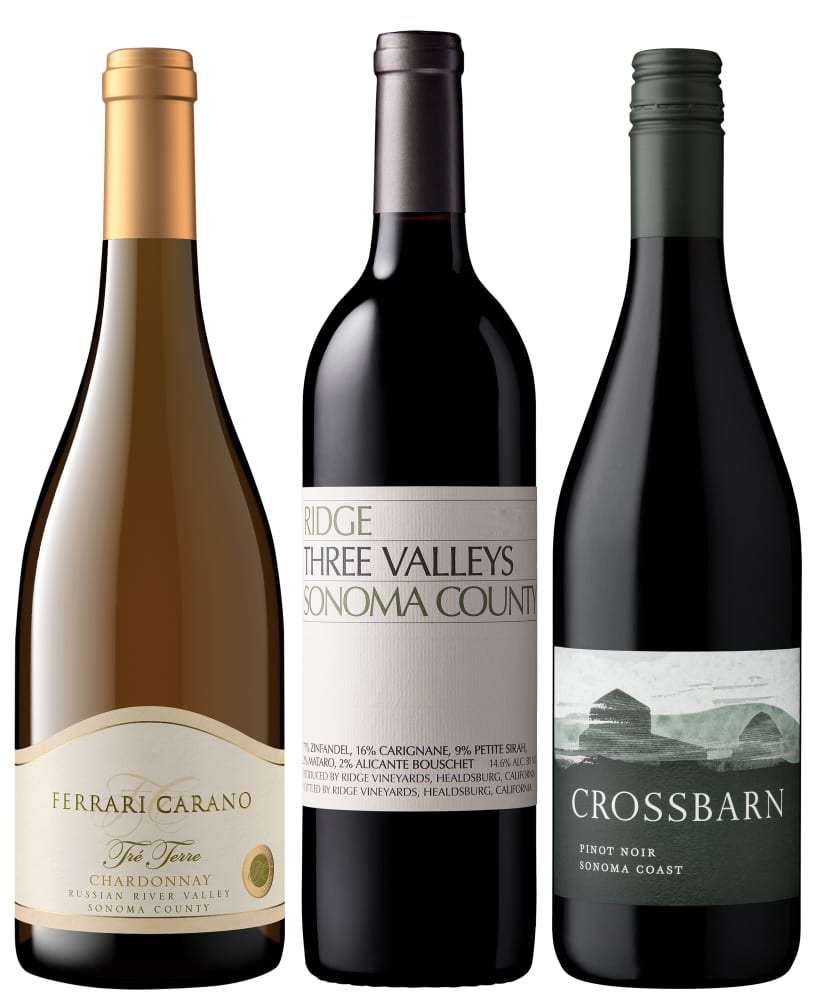
To produce exceptional dark or light varietals, the initial step revolves around grape selection. Choosing the right fruit is critical; for darker beverages, specific grapes like Cabernet Sauvignon or Merlot are preferred, while lighter options often utilize Chardonnay or Sauvignon Blanc.
Fermentation processes diverge significantly. When handling darker fruits, skins remain in contact with the juice, imparting color and tannins. In contrast, lighter varietals typically undergo pressing before fermentation, minimizing skin exposure to maintain a crisp taste profile.
Temperature control during fermentation also varies. Warmer temperatures suit darker selections, enhancing richness and complexity. Conversely, cooler fermentations for lighter options preserve fresh fruit flavors and acidity, resulting in a more delicate finish.

Finally, aging methods differ markedly. Darker creations may see time in oak barrels to develop depth and character, while lighter styles often benefit from stainless steel to retain their vibrant essence. Understanding these nuances can lead to a more satisfying wine experience.
Understanding Grape Varieties Used in Red and White Wine
To enhance your winemaking knowledge, it’s crucial to explore grape types utilized for producing darker and lighter beverages. Each variety contributes distinct flavors and characteristics to the final product.
Common Grape Varieties for Darker Beverages
- Cabernet Sauvignon: Known for its bold structure and dark fruit flavors, often aged in oak for added complexity.
- Merlot: Typically softer and fruitier, with notes of plum and cherry, making it more approachable.
- Syrah/Shiraz: Offers spicy and smoky undertones, excellent for blending or as a standalone option.
- Pinot Noir: Renowned for its elegance, showcasing red fruit flavors and earthy notes.
Common Grape Varieties for Lighter Beverages
- Sauvignon Blanc: Recognized for its crisp acidity and citrus notes, often enjoyed young.
- Chardonnay: Versatile with a range of styles, from buttery and oaky to fresh and fruity.
- Riesling: Known for its floral aromas and sweetness, making it ideal for various palates.
- Pinot Grigio: Light and refreshing, with notes of pear and apple, perfect for warm climates.
Understanding these grape varieties allows for better appreciation of how they shape the flavors and aromas in each glass. When selecting a bottle, consider the characteristics of the grape to enhance your tasting experience.
Fermentation Process: Skin Contact in Red vs. No Skin in White
In crafting these two distinct beverages, the fermentation process plays a pivotal role, particularly regarding skin interaction. For darker varietals, I allow extended skin contact during fermentation. This technique extracts tannins, color, and flavors, essential for developing complexity and structure. Typically, fermentation occurs in open-top fermenters, facilitating manual punch-downs to enhance extraction.
Conversely, for lighter varieties, I opt for a different approach. The grapes are pressed immediately after harvest, separating the juice from the skins. This prevents tannin extraction, resulting in a crisp, clean profile. Fermentation occurs at cooler temperatures to preserve fruity and floral characteristics, contributing to the refreshing nature of these drinks.
Key Steps in Fermentation
| Process | Red Wine | White Wine |
|---|---|---|
| Skin Contact | Extended skin contact for extraction | No skin contact; juice is separated |
| Fermentation Vessel | Open-top fermenters | Closed tanks or barrels |
| Temperature Control | Warmer temperatures for fermentation | Cooler temperatures to retain freshness |
| Tannin Extraction | High levels for structure | Minimal to none |
Understanding these fermentation nuances allows for tailored approaches, enhancing the unique characteristics of each type of beverage. Skin contact in darker varietals leads to richer flavors, while the clean separation in lighter ones maintains a refreshing profile. This strategic difference in technique ultimately defines the essence of each drink.
Temperature Control: Optimal Conditions for Each Wine Type
For optimal quality, maintaining precise temperatures during fermentation is critical. For darker varieties, I recommend a fermentation temperature between 75°F and 85°F (24°C to 29°C). This range helps extract tannins and color effectively while promoting the development of complex flavors.
In contrast, for lighter varieties, I favor cooler fermentation temperatures, typically between 55°F and 65°F (13°C to 18°C). This cooler environment preserves delicate aromas and maintains the refreshing acidity that characterizes these beverages.
Post-Fermentation Considerations
After fermentation, I adjust the aging temperature according to the beverage type. For heavier styles, aging at slightly warmer temperatures (60°F to 65°F or 15°C to 18°C) enhances the integration of flavors. For lighter options, I prefer cooler conditions (50°F to 55°F or 10°C to 13°C) to maintain freshness and vibrancy.
Storage Recommendations
When storing these products long-term, I ensure that dark varieties are kept at stable temperatures around 55°F (13°C), away from light and vibrations. For lighter styles, maintaining a slightly cooler environment, ideally around 50°F (10°C), helps preserve their unique characteristics. Consistent temperature control is paramount in achieving the best results across both categories.
Use of Oak Barrels: Aging Techniques for Red and White Wines
Utilizing oak barrels plays a pivotal role in the maturation of both types of fermented grape beverages. For darker varieties, I often opt for new oak barrels, which impart robust flavors such as vanilla, spice, and toast. The interaction between the wine and the wood enhances complexity and depth. Aging typically lasts from 12 to 24 months, allowing sufficient time for these characteristics to integrate seamlessly.
Barrel Types and Toast Levels
Choosing between French and American oak can significantly affect the final profile. French oak tends to provide subtle nuances with a softer texture, while American oak delivers bolder flavors and aromas. Adjusting the toast level of the barrel–from light to heavy–can also modify how quickly the wine absorbs these traits. I prefer using lightly toasted barrels for a more delicate influence, particularly with grape varieties that already possess rich fruit characteristics.
Influence on White Varietals
In contrast, aging lighter grape varieties in oak barrels can be more nuanced. Usually, I select older barrels to minimize the wood influence, allowing the fruit’s inherent qualities to shine through. The duration of aging is often shorter, ranging from a few months to a year. This method can add a layer of creaminess and additional complexity without overshadowing the wine’s freshness.
Implementing these techniques requires careful monitoring of oxygen exposure, as it can accelerate maturation. The right balance is crucial for achieving a harmonious profile that showcases the unique characteristics of each grape variety.
Color Extraction: Mechanisms Behind Red Wine Pigmentation
To achieve the characteristic hue of crimson libations, pigment extraction is paramount. This process relies on anthocyanins, which are water-soluble pigments found in grape skins. During fermentation, the presence of skins allows these pigments to leach into the juice, resulting in a rich color profile. The duration of skin contact directly influences the depth of color; prolonged maceration enhances pigmentation.
Factors Influencing Pigment Extraction
Temperature plays a crucial role in the extraction process. Warmer fermentation temperatures can increase the solubility of anthocyanins, leading to a more intense color. However, excessive heat may also extract undesirable tannins, affecting the overall balance of the beverage. Therefore, maintaining an optimal temperature range is essential for achieving the desired shade without compromising quality.
Impact of Winemaking Techniques
Different vinification methods further influence pigmentation. Techniques like punch-downs or pump-overs keep the skins in contact with the juice, maximizing extraction. In contrast, less interventionist approaches may yield lighter hues. Ultimately, the selection of techniques should align with the vision for the final product, guiding decisions that impact both color and flavor.
Flavor Profiles: How Ingredients Influence Taste Differently
Choosing specific ingredients is fundamental in creating distinct flavor profiles. For instance, the variety of grapes plays a pivotal role. Thicker skins in certain grapes yield tannins and complexity, enriching the mouthfeel and adding depth to aromas. In contrast, grapes with thinner skins often produce lighter, more delicate profiles, emphasizing freshness and acidity.
Acidity and Sweetness
Acidity levels significantly impact taste perception. Higher acidity results in a crisp, refreshing quality, often found in certain white varieties. This brightness complements food pairings, enhancing the overall dining experience. Conversely, lower acidity in some selections can lead to a smoother, fuller-bodied sensation.
Influence of Fermentation Techniques
Fermentation methods further shape flavor. Aging on lees, commonly applied to certain whites, introduces creamy textures and complex flavors, while malolactic fermentation can soften harsh acids and add buttery notes. In contrast, traditional fermentation for robust selections emphasizes the raw fruit characteristics, focusing on boldness and intensity.
Clarification Techniques: Filtering and Fining in Both Processes
For achieving clarity in these beverages, two primary techniques are employed: filtering and fining. Each method serves a specific purpose in ensuring the final product meets quality standards.
Filtering Techniques
Filtering involves passing the liquid through a barrier to remove suspended particles, yeast, and other impurities. Common filtering methods include:
- Plate and Frame Filters: Utilized for larger batches, these are effective in removing sediment while preserving flavor.
- Membrane Filters: Ideal for fine filtration, they eliminate bacteria and spoilage organisms, ensuring stability.
- Crossflow Filtration: A modern technique that allows for continuous processing, minimizing oxidation during filtration.
Fining Agents
Fining involves adding substances that bind to unwanted particles, facilitating their removal. Common agents include:
- Egg Whites: Often used in the fining of both types, they attract tannins and enhance clarity.
- Gelatin: A versatile option that works to clear both types by binding with phenolic compounds.
- Bentonite Clay: Frequently employed for white varieties, it effectively removes proteins that could cause haze.
Each technique plays a pivotal role in refining the final product, ensuring clarity and stability while preserving the desired flavor profile. Selecting the right approach depends on various factors, including the type of grape and the intended style of the finished beverage.