Chuck Furuya
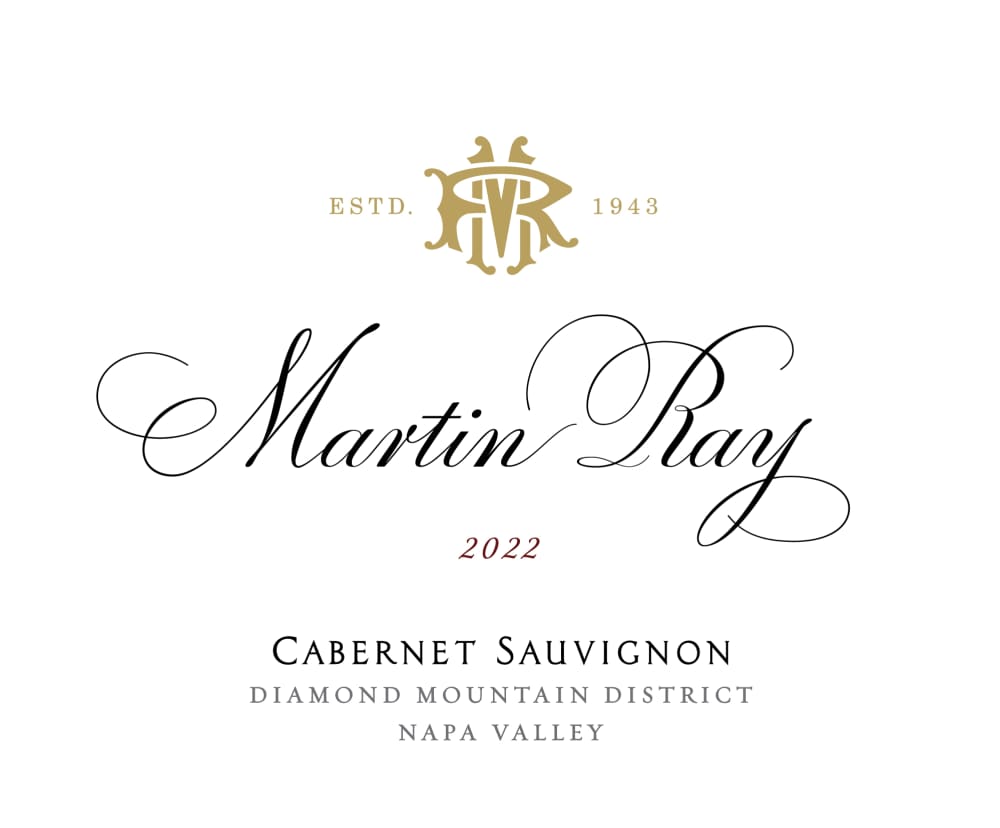

For a satisfying pairing, I recommend a full-bodied Cabernet Sauvignon. Its robust tannins and rich fruit notes complement the savory flavors of grilled steaks and hearty roasts exceptionally well.
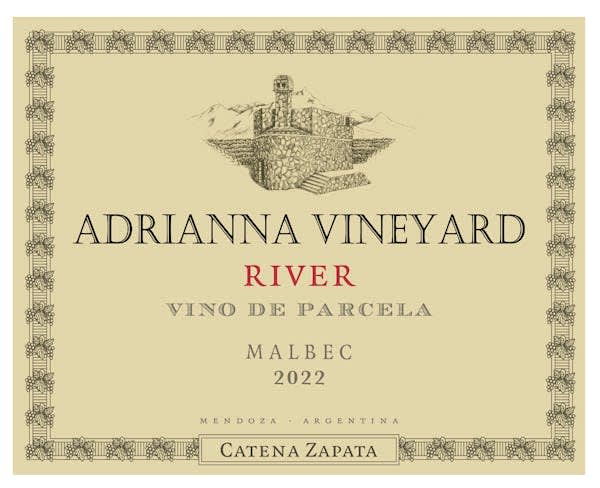
Another excellent choice is a Malbec, particularly when enjoying dishes like lamb or beef stews. The wine’s dark fruit profile and subtle spice enhance the dish’s depth, creating a delightful harmony.
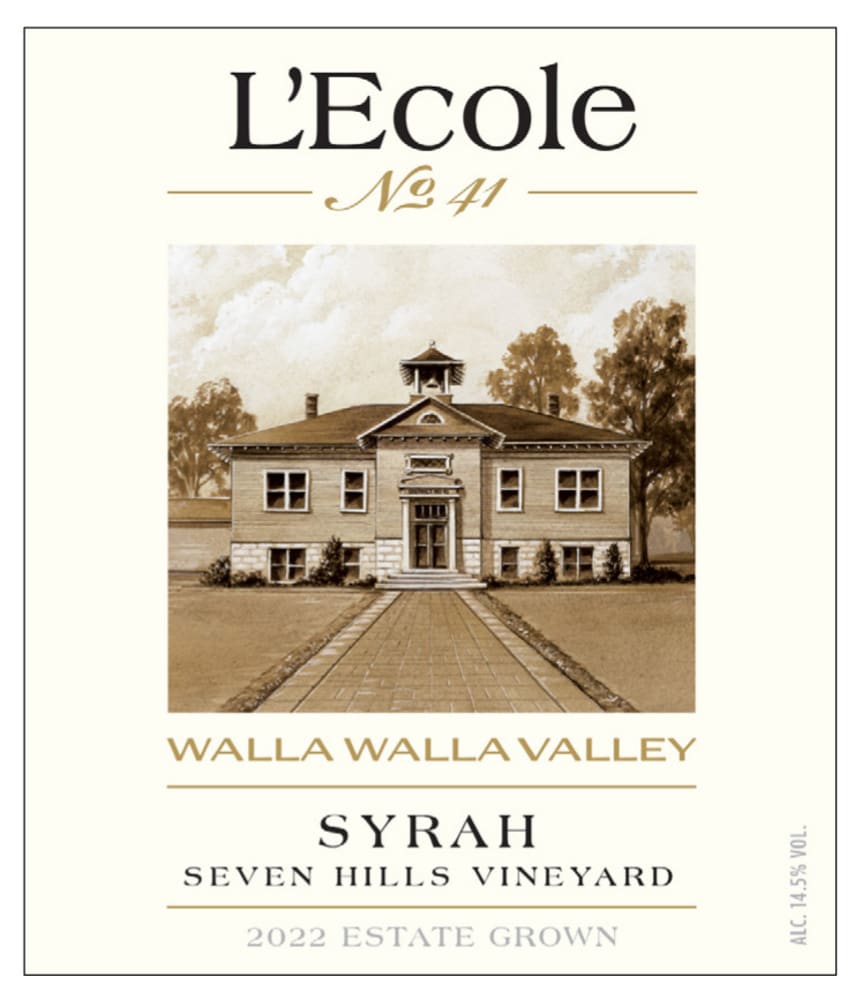
If you prefer something with a bit more acidity, a Syrah or Shiraz can elevate the experience. These wines often feature peppery and smoky undertones, which work wonderfully with barbecued or smoked meats.

Lastly, consider a Merlot for a smoother option. Its softer tannins and plummy flavors pair nicely with tender cuts, providing a more rounded taste that balances the richness of the dish.
Pairing Recommendations for Beef Dishes
For a robust steak, I typically choose a full-bodied Cabernet Sauvignon. This variety complements the richness of the meat and enhances the overall flavor profile.
When enjoying lamb, a Syrah or Shiraz works beautifully. Its spicy notes and dark fruit flavors elevate the dish, making each bite memorable.
For grilled or roasted beef, Malbec stands out. Its fruit-forward character and velvety tannins balance the smoky flavors, creating harmony on the palate.
For a bold ribeye, I often opt for a Zinfandel. The wine’s jammy fruitiness and peppery undertones match the marbling and intensity of the meat.
In the case of game meats, such as venison or wild boar, a Grenache or Tempranillo is an excellent choice. These wines offer earthy notes that enhance the unique flavors of the game.
Lastly, for a hearty stew, a rich Merlot can be delightful. Its softness and plum flavors meld seamlessly with the savory components of the dish.
In summary, selecting the right varietal can elevate the dining experience, showcasing the flavors of the meat while providing a delightful balance. Trust your palate and experiment to find your perfect match!
Choosing the Right Pairing for Different Cuts of Red Meat
For ribeye, a robust Cabernet Sauvignon enhances its marbling and richness perfectly. The wine’s tannins complement the fat, creating a harmonious balance.
When it comes to filet mignon, opt for a Pinot Noir. This choice highlights the tenderness and subtle flavors of the cut without overwhelming it. The wine’s acidity cuts through the meat’s richness, providing a delightful contrast.
For sirloin steak, a Zinfandel works exceptionally well. Its bold fruitiness and spicy notes elevate the savory aspects of the meat, making each bite more enjoyable.
If you’re grilling flank steak, consider a Malbec. The wine’s dark fruit flavors and velvety texture pair beautifully with the meat’s pronounced taste, enhancing the overall experience.
With lamb chops, a Syrah is an excellent option. Its earthy undertones and peppery finish match the gamey flavor of the lamb, creating a satisfying combination.
For burgers, a classic Merlot provides a versatile pairing. Its smooth character complements the savory notes of the beef, while its moderate tannins keep the palate refreshed.
Understanding the Role of Tannins in Pairing
Tannins are a significant factor influencing the choice of beverage alongside hearty dishes. Their astringency can complement the richness of proteins, enhancing the overall flavor profile. When selecting a beverage, aim for those that exhibit a higher tannin content to balance the fat and juiciness of the protein source.
Types of Tannins
There are two primary sources of tannins: grape skins and seeds, as well as oak aging. Red varieties typically have elevated tannins due to prolonged skin contact during fermentation. Varieties such as Cabernet Sauvignon, Malbec, and Syrah showcase robust tannic structures, making them ideal partners for fatty cuts like ribeye or sirloin.
Balancing Act
High-tannin selections should be paired with dishes that possess enough fat to soften the astringency. As the fat coats the palate, it mitigates the drying sensation from tannins, allowing both the dish and the beverage to shine. This dynamic interplay heightens the enjoyment of each sip and bite, creating a harmonious dining experience.
Exploring Regional Wine Varieties for Red Meat Dishes
For pairing with beef, I recommend a Malbec from Argentina. Its rich fruit flavors and smooth tannins complement grilled steaks perfectly. If I’m in the mood for lamb, a robust Syrah from the Rhône Valley enhances the dish with its peppery notes and dark fruit profile.
When serving venison, a bold Cabernet Sauvignon from Napa Valley stands out, providing a wonderful balance to the gamey flavors. For a more exotic option, I often choose a Tannat from Uruguay, which offers firm tannins and a deep, complex character that matches well with hearty preparations.
For braised dishes, a Barolo from Italy delivers an elegant choice, as its acidity cuts through the richness of the sauce. Alternatively, a Chianti Classico pairs nicely with slow-cooked beef, thanks to its bright acidity and herbal undertones.
| Type of Meat | Recommended Variety | Origin |
|---|---|---|
| Beef | Malbec | Argentina |
| Lamb | Syrah | Rhône Valley, France |
| Venison | Cabernet Sauvignon | Napa Valley, USA |
| Braised Meat | Barolo | Italy |
| Slow-Cooked Beef | Chianti Classico | Tuscany, Italy |
| Game Meat | Tannat | Uruguay |
Each region brings unique characteristics to its varietals, enhancing the overall dining experience. Experimenting with these selections can lead to delightful discoveries that elevate any meal centered around savory proteins.
Food Preparation Methods and Their Impact on Wine Selection
Roasting enhances the flavors of beef, making it a perfect match for full-bodied reds like Cabernet Sauvignon. The caramelization from the Maillard reaction adds depth, complementing the wine’s tannins. For grilled options, a Zinfandel or Syrah can stand up to the smoky notes, while braising creates tenderness and richness, inviting a Merlot or Malbec to balance the dish.
Grilling and Smoking Techniques
Grilling intensifies the meat’s natural flavors. Pairing grilled steak with a bold Shiraz can elevate the experience, as the wine’s fruitiness contrasts beautifully with charred edges. Smoking introduces complexity; a robust Tempranillo can harmonize with the smoky undertones, enhancing the overall palate.
Cooking with Sauces and Marinades
When using rich sauces, such as a red wine reduction, consider a robust Cabernet Franc that can mirror the flavors in the dish. Marinades with herbs and spices might call for a Grenache, which can complement the seasoning while maintaining a refreshing finish. Adjusting the wine choice based on preparation methods ensures an enjoyable dining experience.
Matching Wine Body with the Intensity of Red Meat Flavors
For rich cuts like ribeye or T-bone, I recommend full-bodied options such as Cabernet Sauvignon or Malbec. These robust choices complement the strong flavors and marbling in the meat.
With leaner selections like filet mignon or sirloin, a medium-bodied Pinot Noir often pairs beautifully, enhancing the meat’s delicate nuances without overpowering them.
When preparing dishes with bold spices or sauces, consider a Syrah or Zinfandel. Their intense profiles can stand up to the complexity of the flavors, creating a harmonious balance.
For grilled or smoked preparations, I find that a bold Tempranillo works exceptionally well, as its smoky undertones match the charred elements of the dish.
In the case of braised or stewed cuts, a hearty Grenache can complement the tender, rich flavors, bringing an added layer of fruitiness to the experience.
Consider these pairings based on the preparation method:
- Grilled: Cabernet Sauvignon or Shiraz
- Roasted: Merlot or Chianti
- Stewed: Barolo or Malbec
- Barbecued: Zinfandel or Syrah
Adjusting the choice according to flavor intensity ensures a more enjoyable dining experience, allowing both the meat and the selected beverage to shine.