
 Chuck Furuya
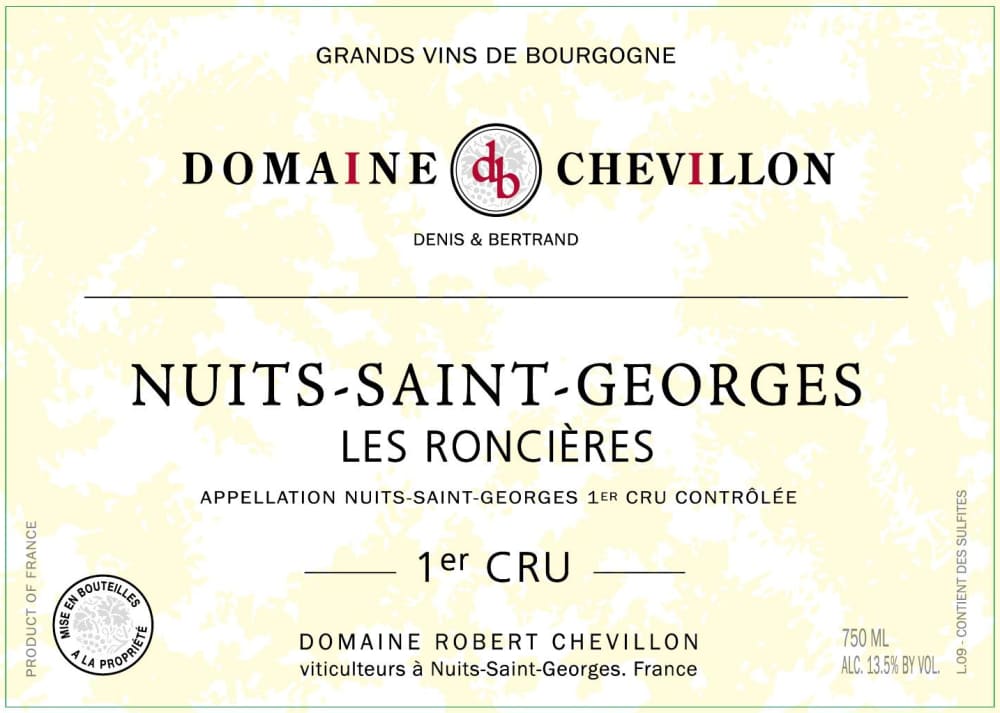
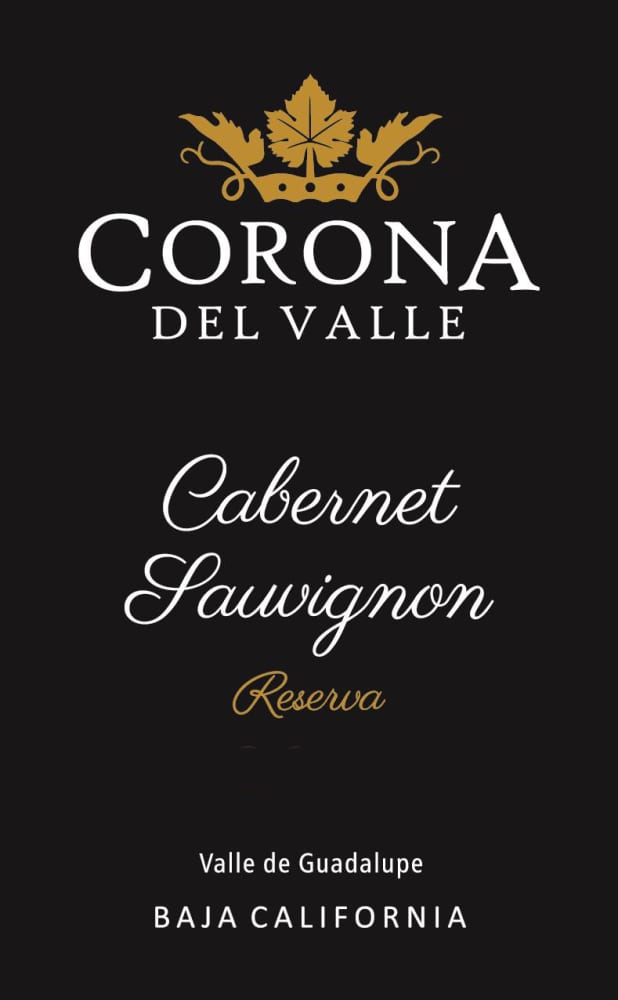
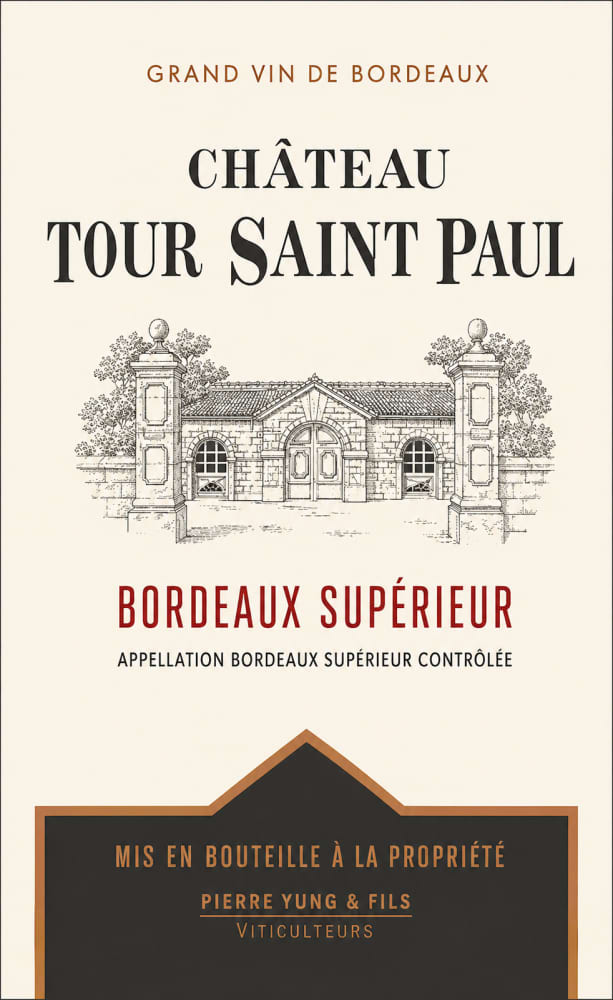

For those seeking an intense experience, I recommend exploring a bottle of Amarone. This Italian gem, crafted from partially dried grapes, offers a rich, full-bodied profile with dark fruit flavors and a velvety texture.
If you’re intrigued by something from France, consider a Côte-Rôtie. Known for its powerful tannins and complex aromas, this Syrah-based blend showcases notes of blackberries, plums, and a hint of smokiness.
Another exceptional choice is a Zinfandel from California. With its deep color and jammy fruit characteristics, it often features hints of spice and oak, delivering a bold yet approachable experience.
Each of these selections not only boasts a striking hue but also promises a flavorful journey that captivates the palate. Whether for a special occasion or a quiet evening, these bold selections are sure to impress.
Identifying the Deepest Crimson Beverage
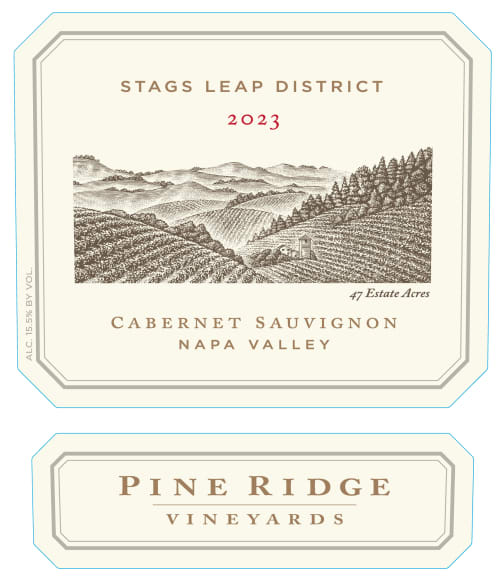
For an intense hue in your glass, I recommend exploring Petite Sirah. This varietal consistently showcases profound color, often described as nearly opaque, with rich violet and dark berry tones. The thick skins of the grapes contribute to its inky appearance, making it a favorite among enthusiasts seeking bold flavors and a striking visual experience.
Other Noteworthy Varietals
Several alternatives also exhibit remarkable depth:
| Varietal | Color Intensity | Tasting Notes |
|---|---|---|
| Syrah/Shiraz | Very Dark | Blackberry, plum, pepper |
| Malbec | Deep Purple | Dark fruit, chocolate, spice |
| Cabernet Sauvignon | Dark Ruby | Blackcurrant, cedar, tobacco |
| Zinfandel | Rich Garnet | Raspberry, anise, pepper |
Conclusion
Choosing a wine with an extraordinary depth of color can enhance any occasion. Exploring varietals like Petite Sirah and others listed above offers a unique tasting experience that combines visual appeal with bold flavors. Always consider the occasion and meal pairings to fully appreciate these selections.
Characteristics of Dark Red Wines
Focusing on depth and richness, these robust selections often possess a high concentration of anthocyanins, which contribute to their intense hue. Varieties like Cabernet Sauvignon, Syrah, and Malbec are prime examples, showcasing a spectrum of flavors and aromas.
Aroma Profile
- Dark fruits: blackberry, plum, and black cherry are commonly detected.
- Spicy notes: black pepper, clove, and sometimes even hints of tobacco.
- Earthy undertones: leather, forest floor, or a touch of minerality can enhance complexity.
Tasting Notes
- Full-bodied: These selections often have a rich mouthfeel and substantial tannins.
- Balanced acidity: A necessary component for structure, ensuring a harmonious finish.
- Aging potential: Many benefit from cellaring, allowing flavors to evolve and integrate over time.
When pairing, I recommend robust dishes such as grilled meats, hearty stews, or aged cheeses, as these complement the wine’s powerful profile and enhance the overall experience.
Popular Varietals Known for Their Darkness
For those seeking intense, full-bodied options, here are some varietals that truly stand out:
- Cabernet Sauvignon: This grape is renowned for its deep color and bold flavors. Regions like Napa Valley produce some of the richest examples.
- Syrah/Shiraz: Known for its inky hue, Syrah offers a profile of dark fruits, pepper, and sometimes smoky undertones. Look for bottles from the Northern Rhône or Australia.
- Malbec: Originating from France but now synonymous with Argentina, this varietal showcases a dark, opulent character with plum and blackberry notes.
- Petite Sirah: With its thick skins, this grape yields wines that are almost purple-black in color, delivering robust flavors of blueberry and chocolate.
Other Noteworthy Varietals
- Zinfandel: Often deep in color, it brings a jammy quality with hints of spice, especially from California vineyards.
- Tannat: Hailing from Uruguay, this grape produces wines that are dark and tannic, with a profile of dark berries and earthy notes.
- Grenache: While lighter than some others, in warmer climates it can produce richly colored wines with ripe fruit flavors.
Exploring these varietals can lead to discovering wines that not only satisfy the palate but also intrigue with their depth and complexity.
How Terroir Affects Color
Soil composition significantly influences the hue of fermented grape juice. For instance, calcareous soils often lead to wines with a deeper pigmentation due to the enhanced mineral content, promoting richer anthocyanin extraction. Regions like Bordeaux exemplify this, where the limestone base contributes to the robust coloring of their varietals.
Climate plays a pivotal role as well. Warm climates encourage higher sugar levels in grapes, resulting in wines that exhibit darker shades. The heat intensifies the concentration of color compounds. For example, grapes from California’s Napa Valley typically yield more saturated hues compared to those from cooler regions like Burgundy.
Microclimates and Color Variation
Microclimates can create subtle differences in color outcomes even within the same varietal. A vineyard situated on a slope may receive more sunlight, impacting the ripening process and ultimately leading to a more intense color profile. This phenomenon is evident in regions like the Rhône Valley, where slight variations in elevation and exposure can affect anthocyanin levels, producing wines with distinct color characteristics.
Winemaking Techniques
Winemaking methods also contribute to the final color. Techniques such as extended maceration allow for prolonged skin contact, leading to a richer, more concentrated color. Additionally, the choice of fermentation vessels, such as oak barrels versus stainless steel, can influence the extraction of color and flavor compounds. This choice is often seen in premium offerings from regions renowned for their focus on quality, such as Barolo in Italy.
Understanding Tannin Levels in Dark Red Wines
For those exploring full-bodied varieties, it’s crucial to recognize that higher tannin content often accompanies deeper hues. Tannins contribute to both texture and flavor, enhancing the overall experience. Aged selections typically present more pronounced tannins, offering a structured mouthfeel that can balance intense fruit characteristics.
Cabernet Sauvignon and Syrah are prime examples, showcasing robust tannin profiles. I recommend seeking out wines labeled as “reserve” or from reputable regions known for their bold expressions, such as Napa Valley or Barossa. These tend to have meticulous aging processes, resulting in harmonious integration of tannins.
Understanding the role of tannins also aids in food pairing. Dishes rich in protein, like grilled meats, complement the astringency, softening it while enhancing flavors. Additionally, the age of the bottle affects tannin perception; younger vintages often taste more aggressive, while mature ones reveal smoother textures.
Consider decanting younger bottles to allow oxygen to soften the tannins, enhancing the overall tasting experience. This practice can reveal hidden aromas and flavors that might otherwise remain subdued. Experimenting with different varietals and their tannin levels will deepen your appreciation for this captivating aspect of winemaking.
FAQ:
What factors contribute to the color of red wine?
The color of red wine is primarily influenced by the grape variety used, the winemaking process, and the length of skin contact during fermentation. Different grape varieties, such as Cabernet Sauvignon or Pinot Noir, have distinct pigments that contribute to their hues. The extraction of color compounds from the grape skins occurs during fermentation, where the duration of skin contact can significantly affect the wine’s final shade. For example, longer maceration times generally result in deeper, darker colors due to increased pigment extraction.
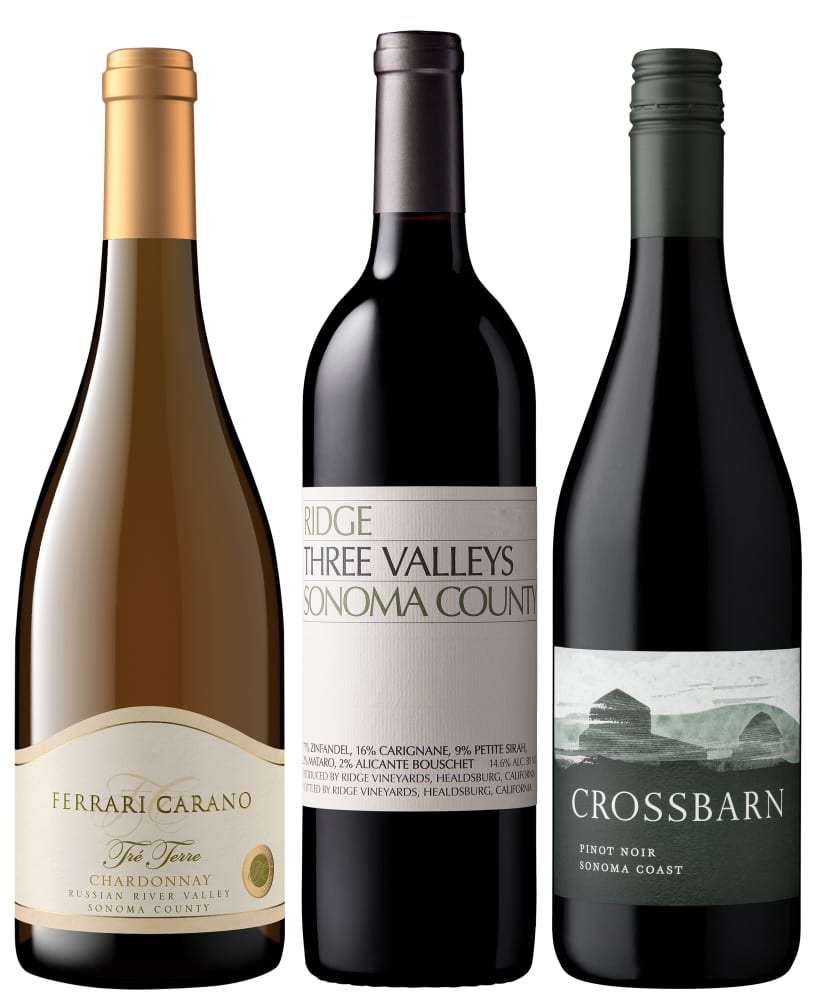
Which red wine is considered the darkest and why?
One of the darkest red wines is typically considered to be Petite Sirah. This grape variety is known for its deep, opaque color and high tannin content, which contribute to its intense appearance. The thick skins of Petite Sirah grapes allow for more pigment extraction during fermentation, resulting in a wine that is visually striking. Other varieties, such as Malbec and Syrah, are also known for their dark colors, but Petite Sirah often stands out due to its unique characteristics.
How does the aging process affect the color of red wine?
The aging process can significantly alter the color of red wine. As wine ages, it undergoes chemical changes that can lead to a gradual fading of its vibrant color. Young red wines often display bright, bold hues, while older wines may take on a more brick-like or tawny appearance. This happens as pigments polymerize and precipitate out of the wine, resulting in a lighter color. Additionally, exposure to oxygen during aging can lead to oxidation, which further influences the wine’s color and overall profile.
Are there any specific regions known for producing dark red wines?
Yes, certain wine regions are renowned for producing dark red wines. For instance, California’s Napa Valley is famous for its bold Cabernet Sauvignon and Petite Sirah, both of which are known for their deep colors. Similarly, regions in Argentina, such as Mendoza, are celebrated for their Malbecs, which also exhibit rich hues. In France, wines from the Rhône Valley, particularly Syrah, are recognized for their dark characteristics. Each region’s climate, soil, and winemaking techniques play a crucial role in the color and quality of the wines produced.
Can the color of red wine indicate its flavor profile?
While the color of red wine can offer some clues about its flavor profile, it is not a definitive indicator. Darker wines, such as those made from Petite Sirah or Cabernet Sauvignon, often have intense flavors, including dark fruit, chocolate, and spice notes. However, lighter-colored wines, like Pinot Noir, can also be rich and complex in flavor, featuring red fruit and earthy undertones. Ultimately, while color can suggest certain characteristics, tasting the wine is the best way to understand its flavor profile fully.
What are some characteristics of the darkest red wines?
Dark red wines are typically characterized by their deep color, which can range from a rich ruby to a nearly opaque purple. This intense color often indicates a high concentration of anthocyanins, the pigments responsible for the red hues in wine. In addition to their appearance, dark red wines often have robust flavors and aromas, including notes of dark fruits like blackberry, plum, and black cherry, as well as hints of spices, chocolate, or tobacco. The tannin structure in these wines is usually more pronounced, providing a fuller mouthfeel and the potential for aging.

Which grape varieties are known for producing the darkest red wines?
Several grape varieties are recognized for yielding dark red wines. Notable examples include Cabernet Sauvignon, Syrah (or Shiraz), and Malbec. Cabernet Sauvignon is renowned for its deep color and bold flavors, often featuring dark fruit and herbal notes. Syrah is celebrated for its inky hue and complex profile, which can include black pepper and smoky undertones. Malbec, originally from France but now associated with Argentina, also produces wines with a deep color and rich, fruit-forward flavors, often accompanied by velvety tannins.
How does the winemaking process affect the color of red wine?
The winemaking process significantly influences the color of red wine. Factors such as grape selection, fermentation techniques, and aging methods all play a role. During fermentation, the grape skins are in contact with the juice, allowing for the extraction of color compounds. Longer maceration times can lead to deeper colors. Additionally, the choice of oak barrels for aging can impact color, as new barrels can impart additional compounds that enhance the wine’s hue. Finally, techniques like fining and filtering may also affect the final appearance of the wine.
What are some examples of the darkest red wines available on the market?
Some of the darkest red wines available include wines like Barossa Valley Shiraz from Australia, known for its inky color and bold flavors. Another example is a Napa Valley Cabernet Sauvignon, which often features a deep ruby to purple hue and complex notes of dark fruit and oak. Spanish wines such as Priorat and certain Rioja selections can also be quite dark, offering rich flavors and a robust structure. Additionally, some Argentine Malbecs stand out for their rich color and fruit-forward profiles, making them popular choices among red wine enthusiasts.



