Chuck Furuya


Pouring a glass of rich, aged merlot, I instantly feel a wave of nostalgia wash over me. Each sip transports me to moments where laughter and stories intertwined under dimly lit chandeliers. To truly appreciate such a vintage, one must focus on the subtleties of flavor that emerge with each taste. Look for notes of dark fruits, hints of spice, and the lingering finish that reveals the wine’s character.
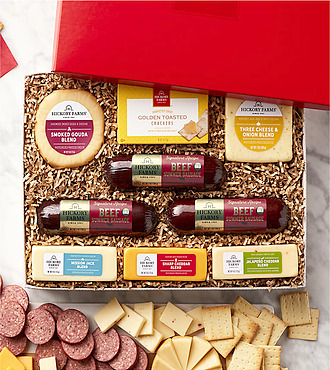
Pairing this exquisite drink with the right fare enhances its depth. A charcuterie board featuring aged cheeses, cured meats, and dried fruits complements the robust flavors beautifully. For a more substantial option, consider a hearty beef stew that mirrors the wine’s richness. This combination invites a sensory experience that elevates any gathering.

Storing your selection is equally crucial. Keep bottles in a cool, dark place, ideally at a consistent temperature between 50-60°F. Laying bottles on their sides ensures the cork remains moist, preventing oxidation. Investing in a quality corkscrew can also make the ritual of opening a bottle a memorable event, adding to the anticipation of savoring this delightful elixir.
Choosing the Right Aged Crimson Beverage for Your Palate
I recommend exploring a few specific varietals that tend to excel with age. Cabernet Sauvignon, particularly from regions like Bordeaux or Napa Valley, often develops rich layers of flavor over time. Look for bottles that have been cellared for at least a decade to experience the complexity.
Key Factors in Selection
Consider the following attributes when selecting your preferred vintage:
| Attribute | Description |
|---|---|
| Body | A fuller-bodied option will provide a more robust experience, perfect for pairing with hearty dishes. |
| Tannins | Look for wines with balanced tannins; they should soften over time, enhancing the overall mouthfeel. |
| Acidity | Aged selections often retain acidity, contributing to freshness and longevity. Seek wines that maintain this balance. |
| Flavor Profile | Explore flavors like dark fruits, earthy notes, and subtle spices that develop over the years. |
Recommendations
For an exquisite experience, consider the following selections:
- Châteauneuf-du-Pape: Known for its bold flavors and complexity after aging.
- Barolo: A Nebbiolo varietal that offers elegance and depth with time.
- Rioja Gran Reserva: A Spanish classic that beautifully integrates oak and fruit with age.
Each of these options presents unique characteristics, allowing for a tailored tasting experience based on personal preference.
Understanding the Aging Process of Red Wine
To appreciate the depth of matured vintages, I analyze the factors influencing their evolution. Temperature control during fermentation plays a pivotal role; cooler conditions can enhance acidity, while warmth may promote fruitiness. Optimal aging occurs in cellars where temperatures hover around 55°F (13°C).
After fermentation, the interaction between the liquid and oak barrels is significant. The type of wood, toasting level, and age of barrels contribute distinct flavors, ranging from vanilla to spice. I prefer using new French oak for its subtlety, while seasoned barrels can deliver a softer touch.
Oxidation is another key element. As the liquid breathes through the cork, it develops complexity. I often observe that wines aged for several years gain tertiary notes like leather and tobacco, enriching the tasting experience.
Time is essential; however, not all bottles improve indefinitely. The tannin structure dictates longevity. I choose varietals with robust tannins such as Cabernet Sauvignon or Nebbiolo, as they typically withstand the test of time better than lighter options.
Monitoring bottle condition is crucial. I prefer storing horizontally to keep the cork moist, preventing air ingress. Regular checks for sediment can also indicate a wine’s readiness for enjoyment.
Ultimately, understanding these aspects enhances my appreciation for vintage selections, allowing me to savor the nuances crafted over years of careful aging.
Pairing Aged Crimson Nectar with Food: Tips and Tricks
Opt for a hearty dish such as braised lamb or beef stew; the complexity of flavors in these meals complements the depth of a mature vintage. The tannins in the drink soften with time, enhancing its ability to balance rich meats.
Try pairing with robust cheeses like aged cheddar or blue cheese. The saltiness and creaminess of these cheeses contrast beautifully, creating a delightful harmony on the palate.
Grilled vegetables, particularly those with a charred exterior, can elevate the tasting experience. The smoky notes found in both the dish and the drink work together, enhancing the overall flavor profile.
For those who enjoy a sweet finish, chocolate desserts can be a surprising yet rewarding match. Dark chocolate, in particular, can bring out the fruit notes in the beverage, creating a luscious pairing.
When opting for a lighter fare, consider roasted poultry or duck. The acidity and fruit characteristics in the nectar can brighten the dish, providing a refreshing contrast. A hint of spice in the preparation can amplify the drink’s complexity.
Experimenting with spices can also yield interesting results. Mediterranean herbs like rosemary and thyme can enhance the aromatic qualities, making the experience more enjoyable.
Finally, don’t shy away from trying different regional cuisines. Italian pastas with rich sauces, Spanish tapas, or even classic French dishes can all provide unique pairings that highlight the nuances of the beverage.
Storing and Serving Aged Red Wine Properly
Maintain a consistent temperature between 50°F to 65°F (10°C to 18°C). Avoid fluctuations, as they can adversely affect flavor and quality.
Utilize a wine fridge or a dedicated cellar for optimal storage. If these aren’t available, choose a dark, cool place, away from direct sunlight and heat sources.
Store bottles horizontally to keep the cork moist. This prevents air from entering and spoiling the contents.
Limit exposure to vibrations. Keep bottles in a stable environment to preserve the integrity of the vintage.
For serving, decant the beverage at least 30 minutes before consumption. This allows the aromas to develop and enhances the tasting experience.
Use appropriate glassware. A wide bowl enhances aeration, allowing complex aromas to unfold. Ensure glasses are clean and free from residues.
Pour a modest amount–around one-third of the glass. This facilitates swirling, releasing the intricate bouquet.
Consider using a wine thermometer. Aim for serving temperatures between 60°F to 65°F (15°C to 18°C) for the best taste profile.
Keep a tasting journal. Documenting notes from each bottle can refine future selections and enhance appreciation.
Recognizing Quality: What to Look for in Aged Crimson Beverage
Firstly, assess the visual characteristics. A deep, rich hue indicates maturity, while a brownish edge suggests oxidation. Clarity is key; any haze can signify spoilage.
Next, evaluate the aroma. A complex bouquet with notes of dried fruits, leather, and earthy undertones reflects proper aging. If the scent is overly vinegary or musty, it may be compromised.

Taste is paramount. A balanced profile with integrated tannins and acidity is ideal. Look for layers of flavor: dark berries, spices, or hints of oak. If the palate feels flat or unstructured, consider it a sign of decline.
- Check for length of finish. A lingering aftertaste indicates quality.
- Assess the mouthfeel. A velvety texture is often found in well-aged selections.
Lastly, consider provenance. Research the producer and vintage. Reputable wineries have a track record for crafting exceptional offerings over time. Trust labels that have garnered acclaim within the industry.
Exploring the History and Terroir of Aged Vintages
To appreciate the character of mature varietals, I often trace their origins back to renowned wine regions. Bordeaux, Burgundy, and Barolo are prime examples, each offering unique soil compositions and climate influences that shape the grapes. For instance, the limestone and clay in Burgundy produce nuanced flavors that evolve beautifully over time.
Regional Influences
Understanding regional distinctions is key. In Bordeaux, the blend of Merlot and Cabernet Sauvignon thrives in gravelly soils, resulting in structured, tannic profiles. In contrast, the Nebbiolo from Barolo benefits from the region’s foggy climate, imparting elegance and complexity. When selecting, I pay attention to these terroir characteristics, as they significantly influence flavor development and aging potential.

Historical Context
Examining historical records reveals how traditional methods have shaped current practices. Ancient winemaking techniques in Italy and France laid the groundwork for modern aging processes. I find that wines from specific vintages often reflect the climatic conditions of their respective years, providing a fascinating glimpse into the past. For instance, a warmer year might yield fruit-forward profiles, while cooler years may produce more acidity and structure.
Health Benefits and Risks of Enjoying Aged Red Wine
In moderation, savoring vintage varietals can offer numerous health advantages. The presence of antioxidants, particularly resveratrol, contributes to heart health by improving circulation and reducing inflammation. Research suggests that these compounds may lower the risk of cardiovascular diseases and certain cancers. Additionally, enjoying a glass can enhance mood and promote relaxation, thanks to the moderate alcohol content.
Potential Risks to Consider
Excessive consumption poses significant health risks, including liver damage, addiction, and increased risk of certain cancers. Aged selections often contain higher concentrations of sulfites, which can trigger allergic reactions in sensitive individuals. It’s essential to remain aware of personal tolerance levels and consult with a healthcare professional if any concerns arise.
Striking a Balance
To reap the benefits while minimizing risks, limit intake to one or two servings per day. Pairing these selections with food can also help mitigate potential adverse effects. Always opt for quality over quantity, ensuring that the experience remains pleasurable and beneficial.