
 Chuck Furuya

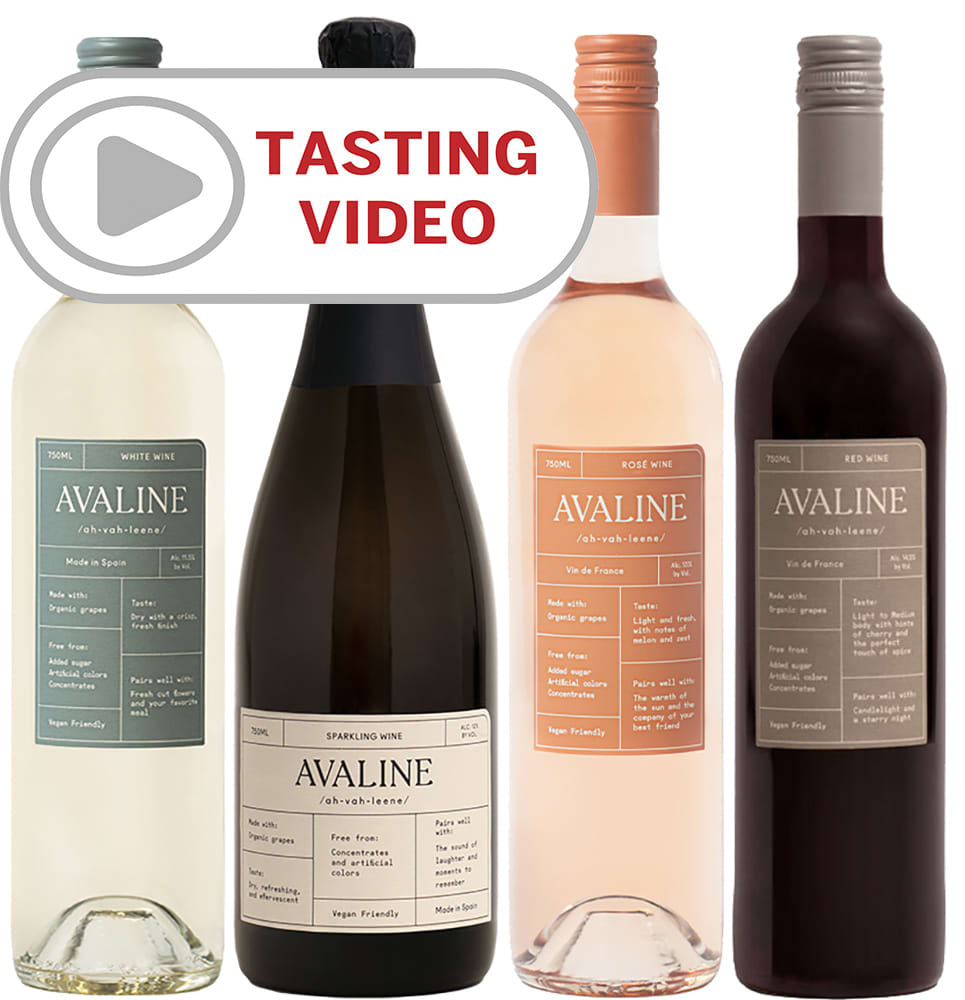
Pour a small amount into your glass and observe the color. A vibrant hue indicates freshness, while a dull or brownish tint may suggest aging beyond its prime. Swirl gently and take a moment to appreciate the aromas. Fresh fruit notes should dominate; if you detect vinegar or unpleasant odors, it’s a sign that the beverage has likely spoiled.
Next, take a sip. The taste should be harmonious, with balanced acidity and fruit flavors. If the flavor is flat or overly acidic, the liquid may no longer be enjoyable. Pay attention to the finish; a lingering, pleasant aftertaste signals quality, while a quick, unpleasant finish suggests deterioration.
Finally, check the cork or cap. If it appears crumbly or discolored, it’s a red flag. A properly sealed container should have a clean, intact closure. For bottles stored for years, consider the storage conditions as well, as temperature fluctuations can negatively impact quality.
Assessing the Quality of a Bottle
Check the cork for signs of leakage or dryness. A compromised cork may indicate exposure to air, affecting the beverage’s integrity.
Observe the liquid in the glass. A dull or brownish hue suggests oxidation. Fresh varieties should exhibit vibrant colors, while aging can introduce subtle browning.
Sniff the aroma. Unpleasant or off-putting scents like vinegar or wet cardboard are indicators of spoilage. A pleasant bouquet should reflect the variety’s character.
Taste a small amount. If it feels flat or has a harsh aftertaste, it may no longer be enjoyable. A well-preserved bottle will present balanced flavors without overwhelming acidity or bitterness.
Assess the consistency. If sediment is excessive or unusual for the type, it might signify an issue. However, some aged styles naturally develop sediment.
Assessing the Physical Appearance of Red Wine
Checking the visual characteristics is crucial in determining the quality of a bottle. Begin by examining the color. A vibrant hue often indicates freshness, while dullness or browning may suggest age or potential spoilage.
- Clarity: Look for any cloudiness. A clear liquid is a sign of proper filtration and storage. Sediment can be common in older varieties but should be minimal.
- Viscosity: Swirl the glass and observe the legs that form on the inside. Thick, slow-moving droplets may indicate higher sugar content or alcohol, which can be desirable.
- Surface: Notice any bubbles or excessive foam. These can indicate unwanted fermentation, which is a sign of spoilage.
Pay attention to the rim of the glass. A vibrant purple edge shows youthful vigor, while a faded rim suggests maturity. A wide color variation from the center to the rim can indicate oxidation.
Finally, the overall appearance should be inviting. If the liquid appears murky or has an unusual hue, it may be time to reconsider enjoying that bottle.
Checking the Aroma for Off-Notes
Begin with a gentle swirl of the glass to release the bouquet. Bring the glass to your nose and take a slow, deep inhalation. Fresh aromas should dominate, with hints of fruit, spice, or earthiness. If any unpleasant scents emerge, it’s a sign of spoilage.
Common off-notes to detect include:
| Off-Note | Description |
|---|---|
| Vinegar | A sharp, sour odor indicating acetic acid, a sign of oxidation. |
| Mold | Musty or damp aroma suggesting contamination or poor storage. |
| Burnt | Charred or smoky scent indicating overcooked elements or flaws. |
| Rancid | An unpleasant, oily smell, often a result of oxidation. |
| Chemical | Solvent-like or artificial notes suggesting improper handling. |
Trust your senses; if the fragrance seems off, it’s wise to reconsider. A balanced and inviting aroma reflects a quality product, while any deviation may indicate it’s past its prime.
Tasting for Flavor Changes Over Time
Begin by taking a small sip and letting the liquid coat your palate. Pay attention to the initial taste; it should be smooth and balanced. If you notice a sharp, overly bitter or sour profile, that’s a sign of deterioration.
Assessing the Flavor Profile
Identify the primary flavors. Fresh varieties often present notes of dark fruits like blackberries or cherries. As time passes, these flavors may shift, revealing earthy or spicy undertones. If the fruit flavors are muted or replaced by excessive acidity, it indicates that the beverage has likely aged past its prime.
Texture and Mouthfeel
Concentrate on the texture. A pleasing mouthfeel should be velvety or smooth. If the liquid feels overly tannic or astringent, this could suggest that it has oxidized. An unbalanced mouthfeel can also result from the breakdown of the original components, leading to a less enjoyable experience.
Always compare the current sip to previous tastings. Changes in complexity and depth can reveal how well the drink has aged. A harmonious blend of flavors is a positive sign; any singular, overpowering notes may indicate spoilage.
FAQ:
What are the signs that red wine has gone bad?
There are several indicators that red wine may no longer be good. First, check the color; if it has shifted to a brownish hue, this might suggest oxidation. Next, smell the wine; if it has a vinegar-like odor or a musty scent, it’s likely spoiled. Additionally, taste the wine; if it tastes sour or overly acidic, it’s a sign that it has deteriorated. Finally, if the cork is pushed out or if there are leaks in the bottle, these can also indicate that the wine is no longer safe to drink.
How long can I keep an opened bottle of red wine before it goes bad?
Once opened, red wine typically lasts about three to five days if stored properly. To maximize its lifespan, reseal the bottle with the cork or a wine stopper and store it in a cool, dark place. If you notice any changes in smell, color, or taste during this time, it’s best to err on the side of caution and avoid consumption.
Does the type of red wine affect how long it stays good?
Yes, the type of red wine can influence its longevity. Generally, full-bodied red wines, like Cabernet Sauvignon or Syrah, tend to have a longer shelf life due to their higher tannin content and acidity, which act as preservatives. Lighter reds, such as Pinot Noir, may not last as long after opening. Additionally, wines with higher alcohol content often have a better chance of remaining good for extended periods, both in opened and unopened states.
Can I drink red wine that has been stored for years?
The drinkability of a wine that has been stored for years largely depends on the specific wine and how it was stored. Some wines are designed to age and can improve over time, while others are meant to be consumed young. If the wine has been kept in a cool, dark place and the cork remains intact, it might still be good. However, always check for signs of spoilage, such as an off smell or an unusual taste, before consuming it. If in doubt, it’s safer to discard it.
What should I do if I suspect my red wine has gone bad?
If you suspect that your red wine has spoiled, the best approach is to trust your senses. Start by examining the wine’s appearance; if it looks cloudy or has sediment that wasn’t present before, it’s a warning sign. Next, give it a smell; any strong vinegar or musty odors indicate spoilage. If it passes these tests, take a small sip to assess the taste. If it tastes off, it’s advisable not to consume it. Discarding the wine is the safest option to avoid any unpleasant effects.
What are the signs that red wine has gone bad?
There are several indicators that red wine may no longer be good. First, check the color; if it has turned brown or has lost its vibrant hue, it might be oxidized. Second, smell the wine—if it has a vinegar-like aroma or smells musty, it’s a sign of spoilage. Taste is also important; if the wine has a sour or off flavor, it’s best not to consume it. Finally, inspect the cork for any signs of leakage or mold, which can indicate that the wine has been compromised.
How long can red wine be stored after opening?
Once opened, red wine can generally be stored for about 3 to 5 days. The exact duration depends on the type of wine and how it is stored. To maximize its lifespan, reseal the bottle with its cork or use a wine stopper, and keep it in a cool, dark place. Some wines may last a bit longer if they are higher in tannins and acidity, which help preserve them.
What should I do if I suspect my red wine has spoiled?
If you suspect your red wine has spoiled, the first step is to smell and taste it. If it has a vinegar-like smell or tastes sour, it’s likely bad. You can also check for any unusual sediment or a significant change in color. If you determine that the wine is spoiled, it’s best to discard it rather than risk consuming it. Always trust your senses when evaluating wine quality.
Can I drink red wine that has turned brown?
Drinking red wine that has turned brown is not advisable, as this typically indicates oxidation. While it may not harm you, the flavor and aroma will likely be compromised. If the wine smells and tastes acceptable, some people may still choose to drink it, but generally, it’s best to err on the side of caution and avoid it.
What is the best way to store red wine to ensure it stays good for longer?
To store red wine properly, keep it in a cool, dark place away from direct sunlight and temperature fluctuations. The ideal temperature for storing red wine is between 55°F to 65°F (13°C to 18°C). Use a wine rack to keep bottles horizontal, which helps keep the cork moist. If you have a wine fridge, that can provide optimal conditions for long-term storage. Avoid storing wine in places like the kitchen or near appliances that generate heat.



