Chuck Furuya


Gather fresh grapes, preferably varietals like Cabernet Sauvignon or Merlot, to infuse character into the blend. Aim for around 10-15 pounds for a small batch, ensuring optimal fermentation.
Wash the fruits thoroughly, then crush them to release the juice. Utilize a sanitized container for fermentation, allowing the mixture to rest for about a week, stirring daily to encourage the process.
Monitor sugar levels using a hydrometer. If sweetness is lacking, consider adding sugar. Once fermentation slows, transfer the liquid to a clean vessel, leaving sediment behind. This secondary fermentation lasts approximately two to four weeks.
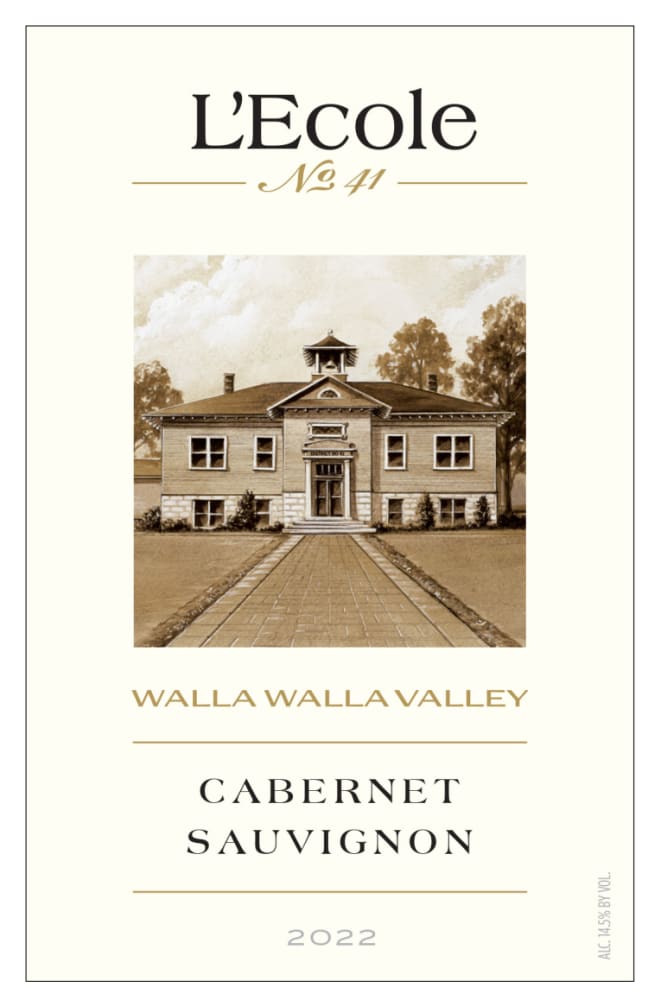
After the desired characteristics develop, siphon the liquid into bottles, leaving some space to allow for future expansion. Seal tightly and store in a cool, dark area for aging, typically around six months to a year, enhancing flavor and complexity.
Red Fermentation Process
Begin with crushing the grapes to extract their juice. I use a clean, sanitized container for this process to prevent unwanted bacteria from interfering. The ideal temperature for fermentation is between 70°F and 75°F (21°C to 24°C). I place the crushed fruit into a fermentation vessel, ensuring there’s enough headspace to accommodate bubbling gases.
For fermentation, I add yeast, usually a red wine strain, to the grape must. I monitor the sugar levels using a hydrometer, aiming for a specific gravity between 1.080 and 1.090. This ensures a proper fermentation process that yields a balanced beverage.
During fermentation, I punch down the cap daily to mix the skins and juice. This technique helps to extract color and tannins, contributing to the flavor profile. After about 7 to 14 days, fermentation typically finishes when the specific gravity drops below 1.000.
Pressing and Racking
Once fermentation is complete, I proceed to press the mixture. Using a wine press, I separate the liquid from the solid skins. The free-run juice is collected first, followed by the pressed juice, which may have a more astringent flavor.
After pressing, I rack the liquid into a clean vessel, leaving sediment behind. This process is repeated several times over the following months to clarify the liquid, ensuring a smooth final product.
Aging Process
I transfer the clarified liquid into oak barrels or stainless-steel tanks for aging. The duration can vary; I typically age for six months to two years, depending on the desired complexity. During this period, I taste regularly to monitor flavor development.
Bottling and Storage
Once aging is complete, I prepare for bottling. I filter the liquid to remove any remaining particles and add a small amount of sulfites to preserve freshness. I use clean, sanitized bottles and corks for this process.
After bottling, I store the bottles horizontally in a cool, dark place, allowing them to mature further. Regular checks ensure the corks remain intact and the bottles are free from light exposure.
Selecting the Right Grapes for Winemaking
Choosing the appropriate fruit is crucial for crafting a successful batch. I always opt for varieties known for their flavor profile and fermentation characteristics. For instance, Cabernet Sauvignon and Merlot are popular choices due to their bold taste and robust structure.
Quality Over Quantity
When sourcing, I prioritize high-quality grapes. Local vineyards or farmers’ markets often offer the best options. Inspect the fruit for firmness, color, and absence of blemishes. I avoid overly ripe or dried-out specimens, as these can lead to undesirable flavors.
Climate and Terroir
The climate where the grapes are grown significantly impacts their qualities. Grapes thrive in regions with a balance of sunlight and rainfall. For instance, I find that grapes from warmer regions tend to have higher sugar levels, which can enhance the alcohol content of the final product.
Don’t hesitate to experiment with lesser-known varieties as well. These can yield unique flavors and characteristics. I’ve found that blends often produce exciting results, combining the strengths of different fruits.
Ultimately, selecting the right grapes is a blend of personal preference and understanding their properties. This choice lays the foundation for an enjoyable and successful fermentation process.
Essential Equipment for Homemade Red Wine Production
Investing in the right tools is pivotal for successful fermentation and aging. Here’s a concise list of the necessary equipment.
- Fermentation Vessel: A food-grade plastic or glass container with an airlock allows gases to escape while preventing contamination.
- Crushing Tool: A grape crusher or even a simple potato masher can help break down the fruit, releasing juices for fermentation.
- Hydrometer: This instrument measures the specific gravity of the liquid, helping determine sugar content and potential alcohol levels.
- Siphoning Equipment: A racking cane or siphon hose is essential for transferring liquid without disturbing sediment.
- Storage Barrels or Bottles: Oak barrels or glass bottles with corks are ideal for aging and preserving the final product.
- Cleaning Supplies: Sanitizers and brushes ensure all equipment is clean and free from unwanted organisms.
- Thermometer: Monitoring temperature during fermentation is crucial for optimal yeast activity.
- pH Meter: Understanding acidity levels can greatly influence the flavor profile of the finished beverage.
Each piece of equipment plays a significant role, impacting the quality and character of the beverage crafted. Prioritize cleanliness and proper handling to ensure the best results.
Steps for Crushing and Fermenting Grapes
Crushing the fruit is the first crucial action. I use a clean, sanitized crusher or even my hands to break the skins, allowing the juice to flow. Avoid excessive pressure to keep seeds from releasing bitterness.
Fermentation Process
After crushing, I transfer the mixture into a fermentation vessel, ensuring there’s enough headspace. I add yeast, which is essential for converting sugars into alcohol. I choose a red wine yeast strain for optimal flavor development. Cover the container with a breathable material, like a cloth, to protect against contaminants while allowing gases to escape.
Monitoring temperature is key. I aim for around 70-80°F (21-27°C) to promote healthy fermentation. Daily checks help me ensure the bubbling activity is consistent, indicating that fermentation is underway. Stirring the mixture once a day helps with extraction of color and tannins from the skins, enhancing the final product.
Pressing the Mixture
When fermentation slows down, usually after about a week, I prepare for pressing. Using a wine press or a simple manual method, I separate the liquid from the solids. The juice collected at this stage is known as “free run” juice, while the remaining pulp can be pressed further for additional extraction.
After pressing, I transfer the liquid into a clean fermentation vessel for secondary fermentation. It’s important to keep everything sanitized to avoid spoilage. Regular tasting helps me determine the right timing for racking, which is removing the wine from the sediment that accumulates at the bottom.