Chuck Furuya
For those curious about the sweetness levels in dark varietals, expect around 0.5 to 1.0 grams of residual sweetness per liter. This amount is relatively low compared to dessert varieties, making these wines suitable for a range of palates.
When selecting a bottle, consider the balance of flavors. The subtle fruit notes often present can create an illusion of sweetness, even when the actual sugar content is minimal. I recommend tasting a few different brands to find one that aligns with your preferences.
It’s also worth noting that climate and vinification methods impact the final profile. Warmer regions may yield grapes with higher sugar levels, while cooler climates typically produce drier, more structured options. Always check the label or inquire at your local retailer for specific details on the bottle you are considering.
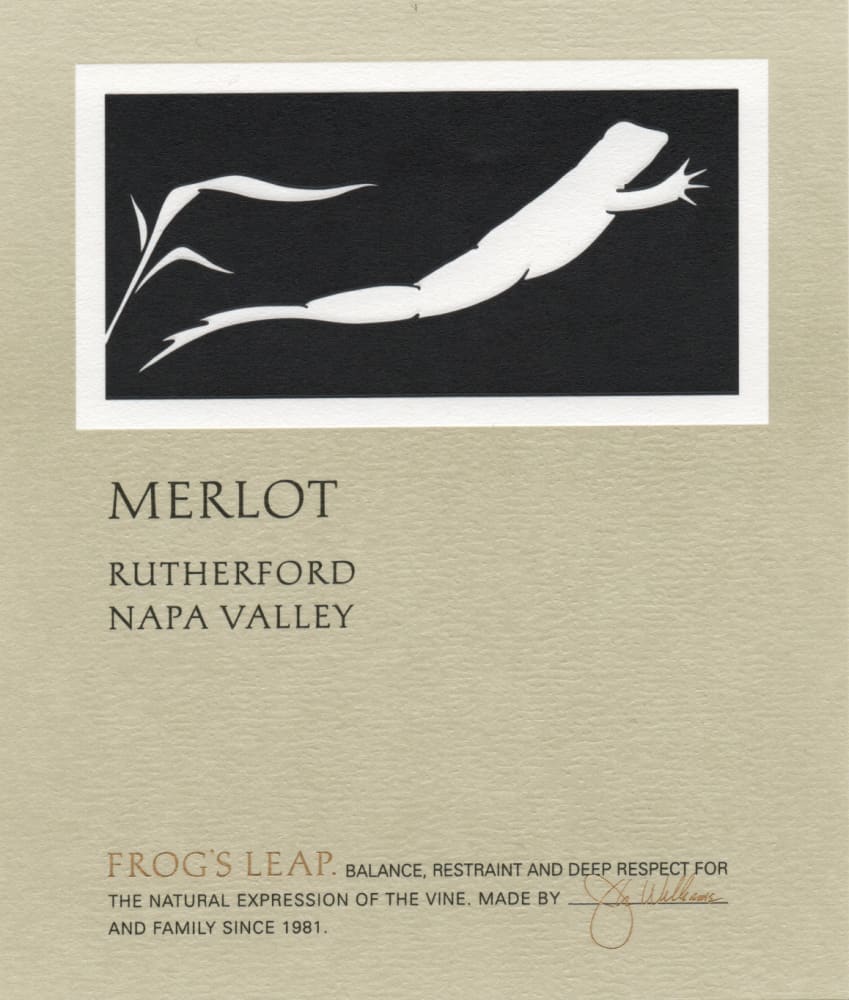
The average content of sweetness in Merlot varietals
The typical level of residual sweetness in a glass of this varietal ranges from 0.5 to 3 grams per liter. Certain producers may craft versions that push these limits, especially those aimed at a sweeter palate, but this is less common.
Factors influencing sweetness levels
Climate, grape ripeness, and vinification techniques play pivotal roles in determining how sweet the final product will be. Grapes harvested later in the season tend to have higher natural sugars, contributing to a richer profile. Additionally, some winemakers may choose to stop fermentation early, preserving a portion of the natural sugars.
Choosing your ideal bottle
For a balanced experience, opt for bottles with lower sweetness levels if you prefer a drier taste. If sweetness is desired, seek out those known for their fruit-forward characteristics. Reading the label or consulting with a knowledgeable seller can guide you toward a selection that matches your preferences.
Factors Influencing Sugar Levels in Merlot
The sweetness in this varietal is affected by a variety of factors, including climate, vineyard practices, and fermentation processes.
- Climate: Grapes ripen differently based on temperature and sunlight exposure. Warmer climates typically lead to higher sugar accumulation in the fruit, resulting in a sweeter profile.
- Ripeness at Harvest: The timing of grape harvest plays a crucial role. Grapes picked at peak ripeness contain more natural sugars compared to those harvested earlier.
- Soil Composition: The mineral content of the soil can influence grape health and ripening, affecting sugar levels. Well-drained soils often produce more concentrated flavors and sugars.
- Winemaking Techniques: Choices made during fermentation, such as yeast selection and fermentation duration, can impact residual sweetness. Stopping fermentation early can leave unfermented sugars, enhancing sweetness.
- Oak Aging: Barrels can impart flavors that interact with perceived sweetness, even if the actual sugar content remains unchanged.
- Microclimates: Specific areas within a vineyard can have varying conditions, leading to differences in grape maturity and sugar levels.
Understanding these factors enables better appreciation of the nuances in sweetness and flavor profiles of this varietal.
Comparing Sugar Content with Other Varietals
The sweetness levels in various grape types can significantly differ, influencing taste and food pairings. For instance, Cabernet Sauvignon typically contains around 0.5 to 1.5 grams per liter, while Pinot Noir often has a similar range. In contrast, Zinfandel may reach up to 3 grams per liter. This showcases a broader spectrum of sweetness among different options.
Barbera and Syrah
Barbera generally has a low residual sweetness, similar to Cabernet, often falling below 1 gram per liter. Syrah tends to offer a slightly higher level, frequently ranging from 1 to 2 grams per liter. These variations reflect not only the grape’s characteristics but also the winemaking techniques employed.
Tasting Experience
When exploring different varietals, understanding the sugar content enhances the tasting experience. A glass of Grenache, which can have up to 4 grams of residual sweetness, contrasts sharply with a drier Sangiovese, typically below 1 gram. Such comparisons are vital for selecting the right bottle for specific dishes or occasions.