Chuck Furuya
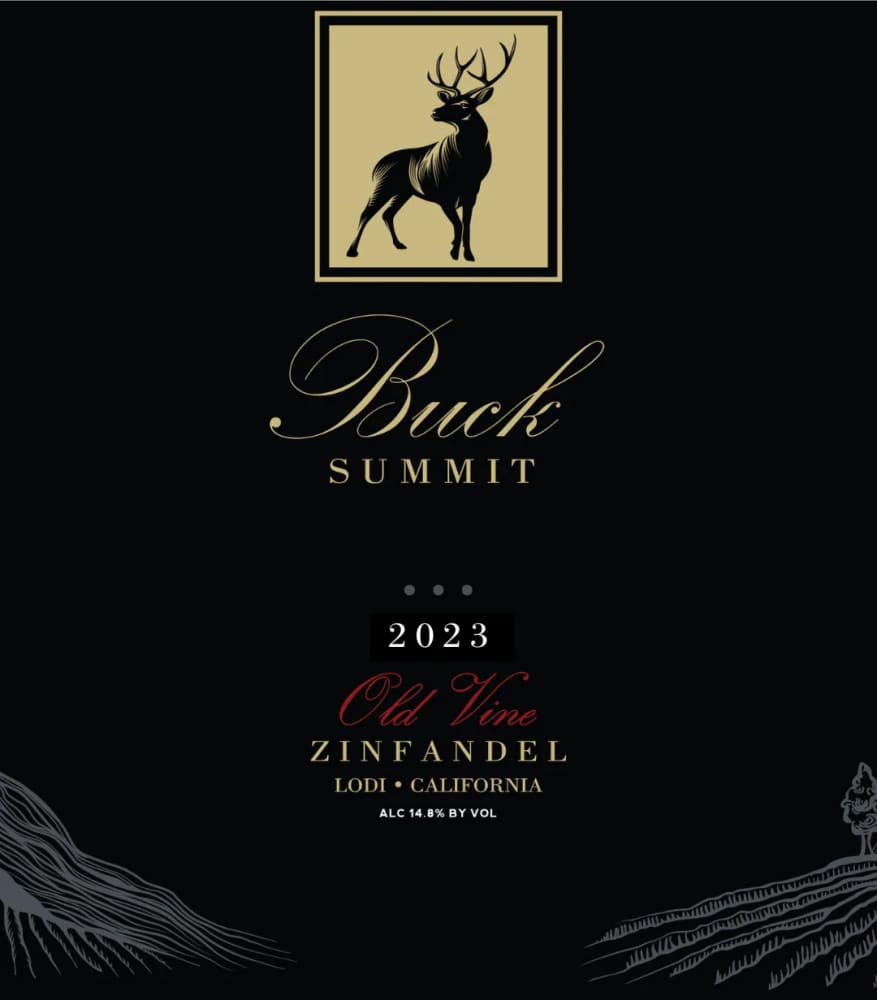
If you’re seeking a robust experience, I recommend exploring Zinfandel, particularly those from California, which often showcase alcohol levels exceeding 16%. This grape thrives in warm climates, allowing for higher sugar concentration during maturation, which translates into elevated ethanol content post-fermentation.
Another excellent option is Amarone, produced in the Veneto region of Italy. This style is crafted from partially dried grapes, resulting in rich flavors and an impressive alcohol percentage that can reach up to 16-17%. The unique production method enhances both the complexity and the strength of the final product.
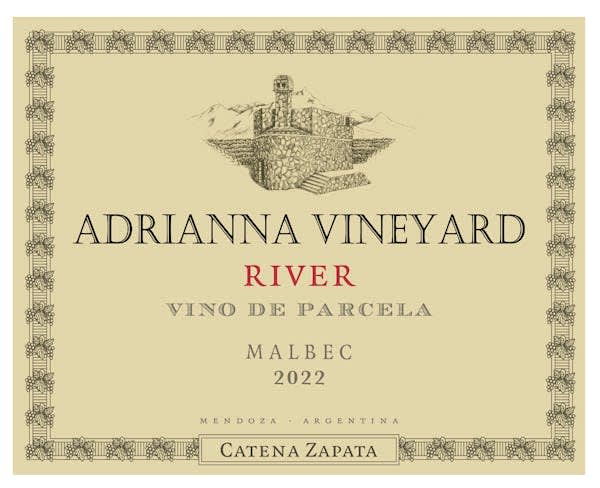
For those who appreciate a bold flavor profile, consider Malbec from Argentina. Many offerings boast alcohol levels around 14-15%, but certain selections can climb higher, especially those sourced from sun-soaked vineyards. The intense fruitiness and smooth tannins make these choices particularly appealing for enthusiasts.
Lastly, a Cabernet Sauvignon from Napa Valley frequently showcases elevated alcohol levels, with some labels hitting 15-16% or more. The combination of ripe fruit flavors and structured tannins creates a well-balanced and full-bodied experience that is hard to resist.
Top Choices for High-ABV Varietals
For a robust experience, I recommend exploring Zinfandel, particularly those from California. These can reach alcohol percentages up to 15-16%, delivering a rich and intense flavor profile. Another excellent option is Amarone della Valpolicella from Italy, boasting an impressive 15-16% ABV, crafted from partially dried grapes for concentrated taste.
Notable Regions and Varieties
Shiraz from Australia is also noteworthy, often achieving 14-15% alcohol content. Look for those from the Barossa Valley for a full-bodied and fruit-forward experience. Additionally, Malbec from Argentina frequently reaches similar levels, providing a deep, dark fruit flavor and velvety texture.
Other Options to Consider
Grenache, particularly from Spain, can also surprise with its strength, regularly hitting 14-15% ABV. If you prefer something unique, try a Tannat from Uruguay, which can soar above 15%, offering bold tannins and a complex structure. Each of these selections promises a memorable tasting experience for those seeking higher alcohol content in their glass.
Understanding Alcohol Content in Red Wines
To choose a variety with higher potency, I recommend looking for Zinfandel or Petite Sirah. These selections typically showcase elevated levels, often exceeding 15% ABV. Regions like California produce exceptional examples.
Factors Influencing Alcohol Levels
Several elements contribute to the strength of fermented beverages:
- Grape Variety: Certain grapes naturally yield more sugar, which converts to higher ethanol during fermentation.
- Climate: Warmer climates enhance sugar accumulation, leading to more robust beverages.
- Winemaking Techniques: Extended maceration and fermentation can boost alcohol concentration.
Recommended High-ABV Varieties
For those seeking intensity, consider:
- Zinfandel: Known for its bold character and fruity notes.
- Petite Sirah: Offers a rich flavor profile with a full body.
- Malbec: Often presents a robust taste with higher alcohol content.
Choosing potent options will enhance your tasting experience, providing depth and complexity.
Factors Influencing Alcohol Levels in Wine
When evaluating the potency in fermented beverages, several key elements play a significant role in determining the alcohol concentration. Understanding these factors can guide your selection process for robust varieties.
1. Grape Variety
Certain grape types naturally accumulate higher sugar levels during ripening, leading to increased ethanol production during fermentation. For example:
- Zinfandel typically exhibits higher alcohol content due to its sugary fruit profile.
- Cabernet Sauvignon and Syrah are also known for their robust character and elevated alcohol levels.
2. Climate Conditions
The environment in which grapes are cultivated significantly affects their sugar development. Warm climates foster higher sugar accumulation, thus enhancing potential alcohol content. Regions like:
- Napa Valley
- Barossa Valley
are recognized for producing potent varieties due to their sunny weather and extended growing seasons.
3. Winemaking Techniques
Methods employed during fermentation can influence the final alcohol percentage. Some techniques include:
- Extended maceration, allowing skins to remain in contact with juice for longer periods, can enhance sugar extraction.
- Yeast selection plays a critical role; certain strains can ferment more sugar into alcohol compared to others.
By considering these factors, you can make informed choices about potent options that align with your preferences. Exploring various grape types, climate influences, and fermentation methods will deepen your appreciation for the diversity in alcohol content among these beverages.
Top Varieties with High Alcohol Content
For those seeking robust options, Zinfandel stands out, often reaching alcohol levels between 14% and 16%. This varietal typically delivers rich fruit flavors complemented by a peppery finish, making it a favorite among enthusiasts of bold beverages.
Another noteworthy choice is Petite Sirah. Known for its deep color and tannic structure, its alcohol content can also range from 14% to 15.5%. This selection offers intense blackberry and plum notes alongside a hint of spice, appealing to those who appreciate complexity.
Other High-ABV Options
Malbec, particularly from Argentina, frequently showcases an alcohol content of 13.5% to 15%. With its dark fruit flavors and velvety mouthfeel, it pairs beautifully with hearty dishes.
Cabernet Sauvignon deserves mention as well, with alcohol percentages often hitting 14% to 15%. This classic choice is favored for its bold structure and aging potential, presenting flavors of blackcurrant and cedar.
Conclusion
Exploring these varieties can enhance your tasting experience, especially for those who enjoy beverages with a higher potency. Each option offers a unique profile, ensuring a delightful journey through various flavors and aromas.
Comparing Alcohol Levels in Popular Red Wines
For those seeking higher proof options, consider the following varieties:
- Zinfandel: Known for its robust flavors, this grape often reaches 15-16% ABV, especially in warmer regions.
- Syrah/Shiraz: Typically ranges from 14.5% to 15.5% ABV, with some exceptional bottles surpassing 16%.
- Malbec: This Argentinian favorite often showcases alcohol content between 13.5% and 15%, with some reaching up to 16%.
- Cabernet Sauvignon: A classic choice, with many bottles clocking in at 14-15.5% ABV, depending on the region and winemaking techniques.
- Petite Sirah: This full-bodied option usually presents alcohol levels around 14.5% to 15.5%.
When selecting a bottle, look for the label indicating the ABV percentage, which gives a clear understanding of its strength. Regions with warmer climates tend to produce grapes with higher sugar content, leading to increased fermentation levels. Therefore, wines from regions like California or Australia are often richer in alcohol compared to those from cooler climates.
For a truly intense experience, I recommend exploring wines labeled as “fortified,” such as Port or Madeira, which can exceed 20% ABV. Each of these selections offers a unique profile, making them suitable for various occasions.
Always remember to enjoy responsibly, as higher alcohol content can affect the tasting experience and overall enjoyment.
How to Measure Alcohol Content in Wine
To accurately determine the ethanol level in any beverage, I recommend using a hydrometer. This tool measures the specific gravity of a liquid before and after fermentation. Start by taking a reading of the must (unfermented juice) and then again after fermentation is complete. The difference in specific gravity can help calculate the alcohol by volume (ABV) percentage using a formula.
Another reliable method is the use of an alcohol refractometer. This device measures the refractive index of the liquid, allowing for quick assessment. However, adjustments must be made for fermentation to get precise results.
For those who prefer a more straightforward approach, the label on the bottle usually indicates the ABV percentage. This number reflects the amount of ethanol in the total volume of the beverage.
Lastly, I can also suggest checking laboratory tests that provide detailed analyses of the beverage’s composition. This option is ideal for those seeking comprehensive data on various components, including alcohol content.