Chuck Furuya


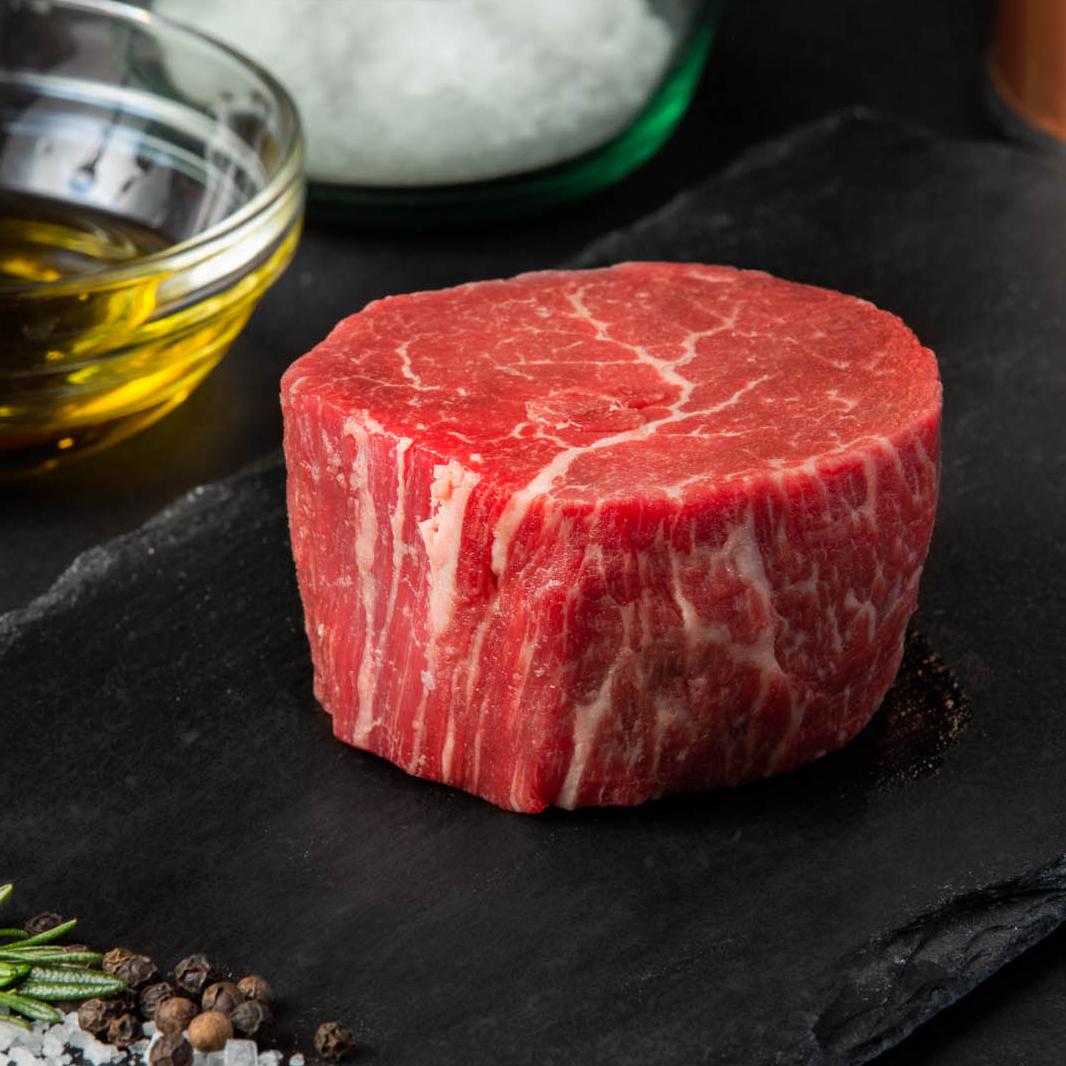

For a robust beef meal, I highly recommend a full-bodied red option, such as Cabernet Sauvignon or Malbec. These varieties complement the rich flavors and textures of the meat, enhancing the overall dining experience.
However, a well-chilled Chardonnay or a light-bodied Pinot Grigio can also be an intriguing choice, especially if the dish features lighter preparations or sauces. The crisp acidity of these whites adds a refreshing contrast that can elevate the meal.
Consider the preparation method as well: grilled or smoked cuts often pair better with deeper reds, while a herb-infused or creamy sauce might harmonize beautifully with a white. Ultimately, the best accompaniment is one that matches your palate and the specific flavors of your dish.

Pairing Suggestions for Meat Dishes
For a classic beef preparation, I recommend opting for a full-bodied red variety, such as Cabernet Sauvignon or Malbec. These options provide a robust flavor profile that complements the richness of the meat. If you prefer a lighter experience, a Pinot Noir can also work well, offering a softer acidity that balances nicely with grilled cuts.
Alternative Pairings
If you are inclined to explore beyond the traditional, consider a bold Zinfandel. Its fruit-forward notes and subtle spice can enhance the overall tasting experience. On the other hand, a Syrah or Shiraz can bring out the smoky undertones in barbecued preparations, making it an excellent companion.
White Options
While less common, a full-bodied white, such as a rich Chardonnay, can work surprisingly well with certain beef dishes, particularly those prepared with creamy sauces. A Viognier, with its aromatic profile, can also offer a unique pairing for lighter preparations or beef salads.
| Type | Recommendation |
|---|---|
| Full-Bodied Red | Cabernet Sauvignon, Malbec |
| Light Red | Pinot Noir |
| Bold Red | Zinfandel, Syrah |
| Full-Bodied White | Chardonnay |
| Aromatic White | Viognier |
Understanding the Flavor Profile of Steak
Choosing the right pair for a succulent cut requires a deep understanding of its flavor nuances. A well-cooked sirloin often exhibits rich, beefy notes complemented by a slight sweetness from the Maillard reaction during searing. This complexity benefits from a partner that can enhance its savory characteristics.
Texture and Fat Content
The texture varies significantly based on the cut. Tender cuts, like filet mignon, deliver a buttery mouthfeel, while tougher cuts, such as flank steak, provide a chewier experience. The fat content plays a vital role; higher marbling in cuts like ribeye contributes to a luscious flavor, which can demand a robust companion to balance its richness.
Cooking Methods and Seasoning
The cooking method significantly influences the taste. Grilling imparts a smoky profile, while pan-searing can introduce caramelized flavors. Seasoning impacts the overall taste as well; using salt and pepper allows the meat’s natural flavors to shine, while bold marinades can create a more adventurous palate, necessitating a thoughtful pairing to complement or contrast these flavors effectively.
Choosing Red Wine: Ideal Varietals for Steak
I recommend opting for Cabernet Sauvignon due to its robust tannins and rich fruit flavors, which complement the savory qualities of grilled beef. This varietal is known for its notes of blackcurrant and hints of pepper, making it an excellent match for a juicy cut.
Another excellent choice is Malbec, particularly from Argentina. Its dark fruit characteristics and smooth finish offer a nice balance to the richness of a well-cooked piece. Look for those with a touch of oak aging to enhance the pairing experience.
Syrah, especially from regions like the Rhône Valley, can also elevate your meal. The bold flavors of dark berries and spices play well against the charred exterior of the meat, creating a harmonious blend on the palate.
For a unique option, consider Zinfandel. Its jammy fruit and peppery notes can complement the savory aspects of beef, particularly in barbecued preparations.
- Cabernet Sauvignon: Ideal for its tannic structure and fruit depth.
- Malbec: Smooth and rich, great with grilled beef.
- Syrah: Bold and spicy, pairs excellently with charred flavors.
- Zinfandel: Offers jammy fruit notes, perfect for barbecue dishes.
Each of these varietals brings its own character, enhancing the overall dining experience. Experimenting with different regions and producers can uncover delightful surprises that elevate your meal further.
Exploring White Wine Options for Steak Pairing
Chardonnay, especially when aged in oak, offers a buttery richness that complements grilled cuts. The subtle notes of vanilla and spice enhance the savory flavors of the meat.
Sauvignon Blanc, with its crisp acidity and herbaceous qualities, works well with leaner cuts like filet mignon. The zesty profile can cut through the fat, providing a refreshing contrast.
Viognier, known for its aromatic intensity, pairs nicely with marinated or peppered dishes. Its floral notes and stone fruit flavors create an intriguing balance with seasoned beef.
Consider a white blend as an option. A mix of varietals can bring complexity to the pairing, enhancing the overall dining experience. Look for blends that include Grenache Blanc or Roussanne for added depth.
- Chardonnay: Ideal for rich, oak-aged varieties.
- Sauvignon Blanc: Great for lean cuts; offers acidity.
- Viognier: Matches well with seasoned beef; provides aromatic notes.
- White Blends: Complex profiles for enhanced flavor.
Experimentation is key. Finding the right match can elevate a meal, making it memorable and satisfying.
FAQ:
What type of wine pairs best with a juicy steak?
Red wine is generally considered the best pairing for a juicy steak. The tannins in red wine complement the protein and fat in the meat, enhancing the overall flavor experience. Full-bodied red wines, such as Cabernet Sauvignon or Malbec, are particularly popular choices because they can stand up to the richness of the steak. If you prefer something lighter, Pinot Noir can also work well, especially with leaner cuts.
Can I drink white wine with steak, and if so, which one?
Yes, white wine can be paired with steak, though it’s less common. A full-bodied white wine, such as Chardonnay, can complement certain steak dishes, particularly those with richer sauces or preparations. Look for a lightly oaked Chardonnay, as its buttery notes can enhance the flavors of the meat. Alternatively, a Viognier can also work nicely with steak, especially if it has fruity or floral notes that can balance the dish.
Are there specific steak cuts that go better with white wine?
Yes, certain steak cuts can pair well with white wine. For instance, a filet mignon, which is tender and lean, can be complemented by a full-bodied white like Chardonnay. Additionally, steaks that are prepared with lighter sauces or toppings, such as a lemon-garlic butter sauce, can also work better with white wines. It’s essential to consider the preparation and seasoning of the steak when selecting the wine.
What factors should I consider when choosing wine for steak?
When selecting wine for steak, consider the cut of meat, how it’s cooked, and the seasonings used. Red wines typically pair well with richer cuts like ribeye or T-bone, while leaner cuts such as sirloin might allow for a wider range of wine options, including whites. Cooking methods can also influence your choice; grilled steaks often taste great with smoky red wines, while steaks prepared with cream sauces may pair better with white wines. Ultimately, personal preference plays a significant role in your selection.
Is there a general rule for pairing wine and steak?
A common guideline is to match the weight of the wine with the weight of the steak. Heavier, richer cuts of steak usually pair well with full-bodied red wines, while lighter cuts can be enjoyed with medium-bodied reds or even whites. Additionally, consider the flavors and sauces involved in the dish. This approach helps to create a harmonious balance between the wine and the meal, enhancing the overall dining experience.
What type of wine pairs best with a ribeye steak?
A ribeye steak, known for its rich marbling and bold flavor, typically pairs well with red wines. A full-bodied Cabernet Sauvignon or a Malbec can complement the steak’s juiciness and enhance its savory qualities. These wines have the tannins and structure needed to balance the fat in the meat, making for a harmonious dining experience.

Can white wine be a good choice with steak?
While red wine is the traditional choice for steak, certain white wines can also work well, particularly with lighter cuts like filet mignon or steak served with creamy sauces. A full-bodied Chardonnay or a white Burgundy can provide a nice contrast to the richness of the meat. Their acidity can cut through the fat, creating an enjoyable pairing.
What factors should I consider when choosing wine for steak?
When selecting wine to accompany steak, consider the cut of meat, cooking method, and any sauces or sides served. Richer cuts, like ribeye, generally pair better with full-bodied red wines. If the steak is grilled, a wine with smoky notes, such as a Syrah, may enhance the flavors. Additionally, the preparation style can influence your choice; for example, a steak with a creamy sauce might go well with a white wine.
Are there any specific wine brands you recommend for steak pairings?
For steak pairings, many wine enthusiasts recommend brands that produce high-quality Cabernet Sauvignon, like Silver Oak or Stag’s Leap Wine Cellars. For Malbec, look for Alamos or Catena Zapata. If you prefer white wine, consider trying a rich Chardonnay from Rombauer Vineyards or a white Burgundy from Louis Jadot. These selections tend to enhance the flavors of steak nicely.