Chuck Furuya

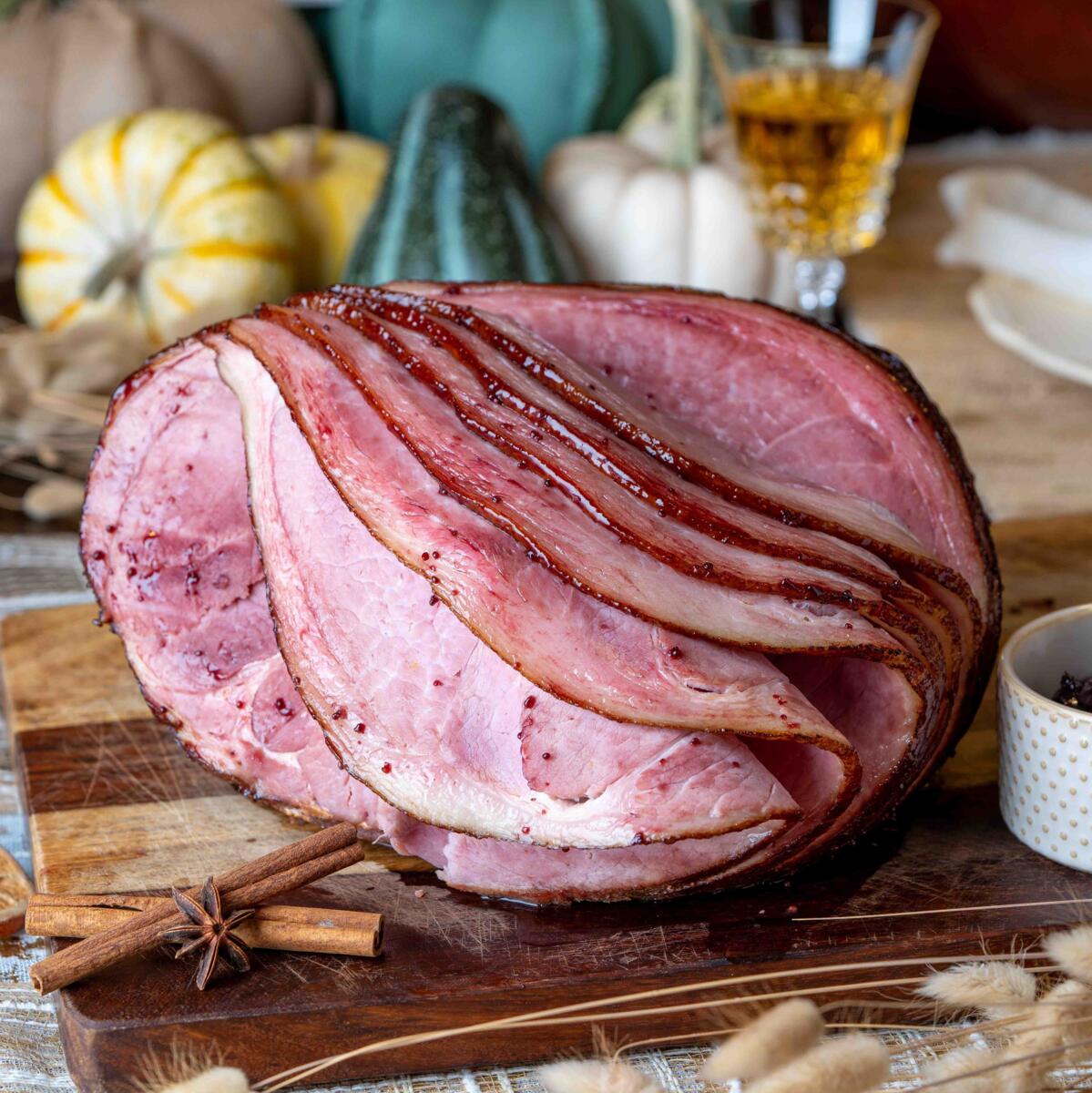
For a delightful experience, I recommend opting for a well-structured Chardonnay. Its crisp acidity and subtle oak notes complement the savory elements of pork, enhancing the overall flavor profile. This choice harmonizes beautifully with the richness of the meat, making each bite a pleasure.
If you prefer a different approach, consider a light-bodied Pinot Noir. This option offers fruity undertones and soft tannins that balance the saltiness of the dish, creating a refreshing contrast. The berry flavors elevate the meal while ensuring a pleasant finish.
Exploring sparkling options can also be rewarding. A quality Prosecco, with its vibrant bubbles and fruity notes, can cleanse the palate between bites, making it an excellent match for a festive table. Each sip brings a sense of celebration, enhancing the dining experience.
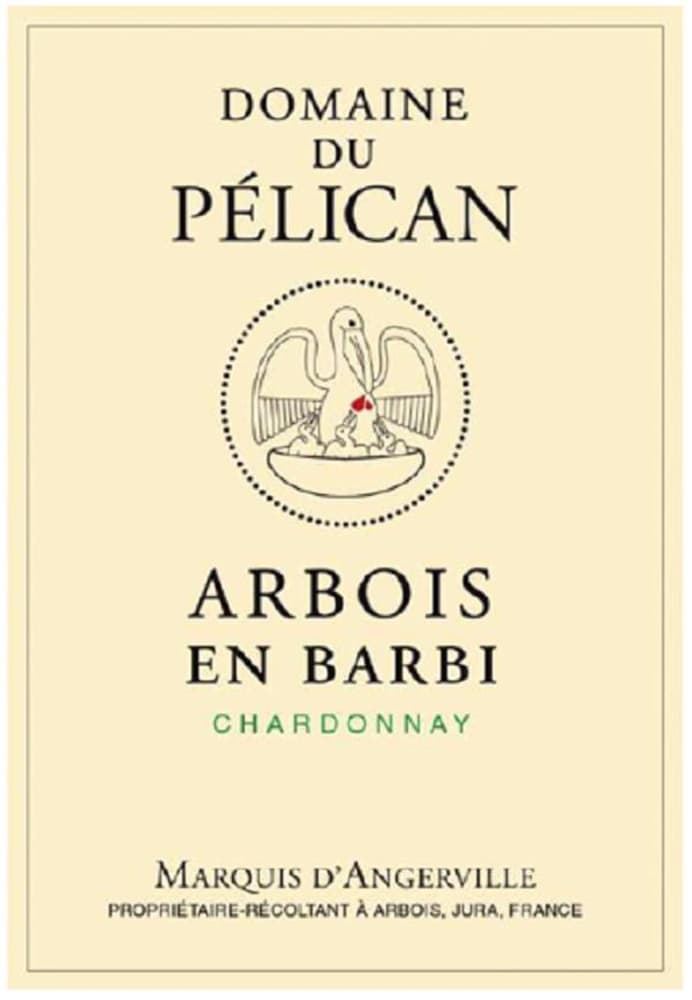
Ultimately, whether choosing a robust white or a subtle red, the key lies in balancing flavors. Aim for wines that complement the dish without overpowering it, allowing the natural flavors of the pork to shine through. Enjoy your culinary pairing adventure!
Pairing Suggestions for Pork Dishes
For a successful pairing, I recommend opting for a fruity Pinot Noir. This choice complements the savory notes beautifully, enhancing the overall dining experience.
If you prefer a lighter option, a Sauvignon Blanc is an excellent alternative. Its crisp acidity cuts through the richness, providing a refreshing balance.
Consider the following options based on preparation:
- Glazed varieties: Go for a Riesling, as its sweetness matches the glaze perfectly.
- Smoked preparations: A Grenache provides a nice contrast, adding depth without overpowering the dish.
- Herb-crusted styles: A Chardonnay pairs well, especially if it has undergone oak aging, bringing out the herbs’ flavors.
For a more adventurous choice, a dry Rosé can also work wonderfully, offering a unique twist that still complements the dish effectively.
Understanding the Flavor Profile of Ham
Choosing a suitable pairing hinges on the distinct flavor characteristics of cured pork. The profile typically showcases a savory, slightly sweet, and sometimes smoky essence, influenced by the preparation method and seasoning used. For example, a honey-glazed variant brings a bright sweetness, while a smoked option introduces deeper, richer notes.
The meat’s inherent saltiness plays a crucial role, demanding accompaniments that either complement or counterbalance this feature. A touch of acidity from a drink can enhance the overall experience, cutting through the fat and elevating the flavors. This is where the choice of beverage becomes significant.
When considering a pairing, I often reflect on the overall texture as well. A tender, juicy piece of pork contrasts beautifully with a crisp or effervescent option, providing a refreshing balance. For instance, a sparkling alternative can cleanse the palate effectively between bites, highlighting the savory notes.
Incorporating elements such as herbs and spices in preparation can also influence the ideal selection. A hint of rosemary or thyme may suggest a more herbal profile, while sweet spices like cinnamon could lead to a fruitier beverage option. Understanding these nuances allows for a more tailored pairing experience.
Ultimately, exploring various flavor combinations enhances enjoyment and appreciation of the dish. The interplay of sweetness, saltiness, and acidity can guide decision-making, making the selection process both enjoyable and rewarding.
Choosing the Right Wine: Red Varieties for Ham
For pairing with pork delicacies, opt for a fruity Pinot Noir. Its light body and bright acidity complement the savory notes beautifully, enhancing the overall flavor experience.
Another excellent choice is a Grenache. The wine’s ripe cherry and berry flavors harmonize well with the saltiness of the meat, providing a refreshing balance.
Tempranillo works wonderfully too. This Spanish varietal offers a mix of earthy and fruity characteristics, making it a versatile partner for various preparations.
For those who enjoy a bolder option, consider a Zinfandel. Its jammy fruit profile and peppery finish create an exciting contrast to the dish, especially if it’s glazed.
Lastly, a Syrah might be a fitting selection. Its robust character and spicy undertones can enhance the richness of the meat, particularly if served with a sweet glaze or sauce.
White Wine Options that Complement Ham
For pairing with cured or baked pork, I highly recommend a crisp Sauvignon Blanc. Its bright acidity and herbaceous notes beautifully enhance the savory flavors of the meat.
Another excellent choice is a fruity Riesling, especially if the dish has a sweet glaze. The natural sweetness of this varietal balances the saltiness, creating a harmonious experience.
Consider a Pinot Grigio as well. Its light body and refreshing citrus notes provide a pleasant contrast, making each bite more enjoyable.
Chardonnay, particularly unoaked, offers a balanced option. The clean finish and subtle fruitiness complement the richness of the pork without overpowering it.
Lastly, a sparkling wine, such as Prosecco, adds a festive touch. The bubbles cleanse the palate, making it ideal for a variety of preparations.