Chuck Furuya


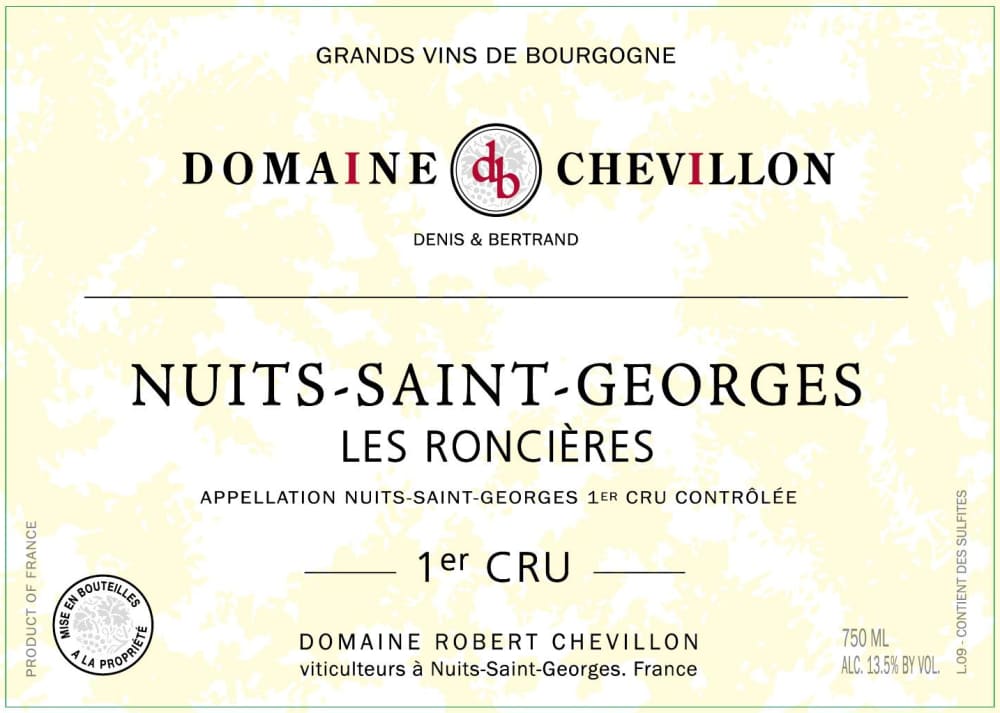
Choosing a robust glass to accompany a flavorful cut can elevate the entire dining experience. The key lies in the rich tannins found in full-bodied varietals, which beautifully complement the savory qualities of grilled or roasted cuts. For instance, a Cabernet Sauvignon or a Malbec can enhance the umami profile of a perfectly cooked steak.
The acidity present in these beverages balances the richness of the dish, cutting through the fat and providing a refreshing counterpoint. This interaction not only enhances the flavors of both the drink and the dish, but also creates a harmonious palate experience. For optimal pairing, I suggest decanting the bottle for at least an hour before serving, allowing it to breathe and soften its tannins.
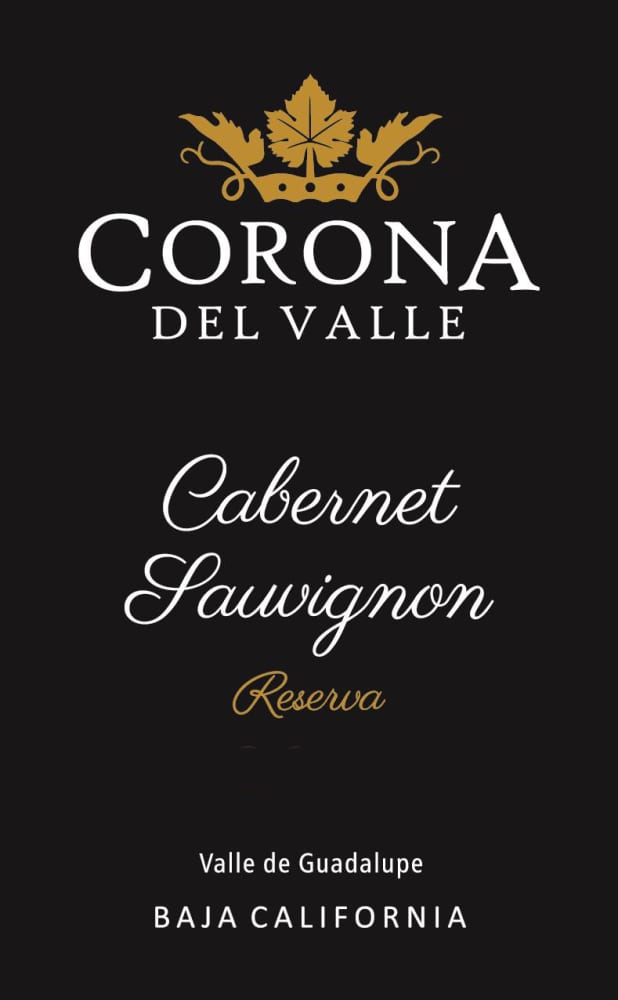
When selecting the right beverage, consider the preparation method of the dish. Heavily seasoned or char-grilled options pair well with bolder styles, while more delicately prepared options might benefit from something slightly lighter, like a Pinot Noir. This thoughtful approach ensures that each sip and bite complements rather than overwhelms the other.
Pairing Tips for Optimal Flavor Harmony
Choose a Cabernet Sauvignon or Malbec for their full-bodied profiles, which complement the richness of the dish. These varieties have robust tannins that enhance the savory notes of grilled steaks or braised cuts.
Consider the preparation method:
- For grilled options, a Syrah or Zinfandel can add layers of spice and fruitiness.
- If opting for slow-cooked dishes, a more mature Malbec or Chianti can bring out the depth of flavors.
Assess the seasoning:
- Herbaceous marinades pair well with a Bordeaux, balancing herbal and earthy components.
- Spicy rubs can harmonize beautifully with a fruity Grenache, enhancing the overall experience.
Temperature plays a role; serve the beverage slightly cooler than room temperature to maintain its structure and avoid overpowering the palate.
Experiment with local pairings. A regional choice often reflects the culinary traditions and enhances the dining experience. For instance, pairing a local varietal from a nearby vineyard adds a unique touch.
The Science Behind Wine and Food Pairing
Pairing beverages and dishes is rooted in chemistry and sensory perception. Tannins, acids, and alcohol content play significant roles in how flavors interact. For example, the astringency from tannins in a particular vintage complements the protein and fat in hearty dishes, creating a pleasing balance. This results in a more enjoyable dining experience.
Key Components
Several factors influence flavor compatibility:
| Component | Impact on Pairing |
|---|---|
| Tannins | Provide structure and balance, enhancing rich flavors. |
| Acidity | Brightens and refreshes, cutting through fatty textures. |
| Alcohol | Can amplify flavors, adding warmth and depth. |
Flavor Profiles
Understanding flavor profiles is essential. For instance, earthy notes in specific varietals pair excellently with umami-rich dishes. Similarly, fruity undertones can enhance the perception of sweetness in savory preparations. Experimenting with such combinations can lead to delightful discoveries and enhance the overall tasting experience.
Tannins in Red Wine and Their Interaction with Meat
I recommend selecting options that feature higher tannin levels when pairing beverages with hearty proteins. Tannins, which are naturally occurring compounds found in grape skins, seeds, and stems, can enhance the overall taste experience by complementing the robust flavors of the dish.
The astringency of tannins interacts with the protein in meat, softening its texture and enhancing mouthfeel. This interaction leads to a smoother tasting experience, balancing the richness of the dish. For instance, a Cabernet Sauvignon with pronounced tannins can beautifully counteract the fattiness of a well-marbled steak.
Additionally, the bitterness of tannins can be mitigated by the presence of fat in the protein. This synergy not only elevates the taste but also makes the entire experience more pleasurable. Wines such as Malbec or Syrah, which possess significant tannin structures, work exceptionally well with grilled or roasted options.
For optimal pairing, consider decanting your selection before serving. This process allows tannins to soften, enhancing the flavors and aromas, making the combination even more enjoyable. A well-chosen bottle can transform a meal into a remarkable dining experience, highlighting the characteristics of both the beverage and the dish.
Flavor Profiles: Complementing Red Meat with Wine
Select a full-bodied varietal like Cabernet Sauvignon or Syrah to enhance the flavors of a robust cut. The richness of these selections mirrors the savory notes of a grilled steak or lamb, creating a harmonious taste experience.
For those enjoying a more subtly flavored piece, such as filet mignon, consider a Pinot Noir. Its lighter body and complex notes of cherry and earthiness can elevate the delicate flavors without overpowering them.
When pairing with a hearty stew or braised dish, a Malbec or Zinfandel can add depth. Their bold fruit profiles and peppery undertones balance the richness of slow-cooked preparations.
Additionally, the aging process of certain wines can introduce secondary flavors like leather, tobacco, or spices, which can enhance the umami characteristics found in various cuts. This interplay of flavors creates a memorable dining experience.
Acidity plays a pivotal role in pairing, too. A wine with bright acidity can cut through the fat in dishes, refreshing the palate. Look for a Grenache or Barbera for this purpose, as they provide a zesty contrast to the fattiness of certain meats.
Experimentation is key; personal preferences will guide the ideal matches. Assess the preparation method and seasonings used, as these elements significantly influence the flavor dynamics. Adjust your selections accordingly to discover unique and delightful pairings.
The Role of Acidity in Balancing Richness
Choosing a beverage that features a pronounced acidity enhances the experience of savoring sumptuous dishes. The sharpness found in certain varietals cuts through the heaviness of protein-rich fare, creating a harmonious balance on the palate. This interplay is crucial; higher acidity acts as a counterpoint to the fat content, preventing the dish from feeling overly dense or cloying.
For instance, a glass with vibrant acidity can elevate grilled steaks or hearty roasts, allowing the flavors to shine without overwhelming the taste buds. The bright notes refresh the mouth between bites, making each taste more vivid. This dynamic is particularly effective with marbled cuts, where the fat content requires a contrasting element to maintain balance.

When selecting a bottle, consider options that display lively acidity, such as those sourced from cooler climates. These selections tend to exhibit a zesty profile, which can enhance the overall dining experience by providing a refreshing lift. This method of pairing not only showcases the richness of the dish but also highlights the intricate flavors present in the drink.
In conclusion, prioritizing acidity in your choice of beverage can transform a meal from ordinary to extraordinary. By complementing the richness of protein dishes, a well-chosen option elevates the entire tasting experience.
Regional Pairings: Classic Combinations from Around the World
In Italy, I recommend enjoying a hearty Bistecca alla Fiorentina with a Chianti Classico. The acidity of the wine cuts through the richness of the meat, enhancing the flavors of both.
For a taste of Argentina, a juicy Asado pairs beautifully with Malbec. The bold fruitiness of the Malbec complements the smokiness of the grilled beef, creating a satisfying balance.

In France, the classic Coq au Vin finds its match in a robust Côte du Rhône. The earthy notes of the wine harmonize with the dish’s rich sauce, elevating the dining experience.
Spain offers a delightful combination of Roast Lamb with a Tempranillo. The wine’s tannins interact well with the meat’s fat, making each bite more enjoyable.
Australia’s Barossa Shiraz shines alongside a tender rack of lamb. The bold spice and fruit of the Shiraz enhance the savory notes of the dish, making for an unforgettable meal.
In South Africa, pairing Braai with a Cabernet Sauvignon offers a unique experience. The wine’s structure stands up to the bold flavors of the grilled meats, creating a well-rounded pairing.
Each region brings its own traditions and flavors, making these pairings not just a meal, but a celebration of culture and taste.
Cooking Methods and Their Influence on Wine Choice
For grilling, I prefer a robust Cabernet Sauvignon. The high heat caramelizes the meat’s surface, enhancing its flavor, which pairs beautifully with the wine’s bold structure. A smoky finish complements the charred notes perfectly.
For slow-roasting, a Merlot works wonders. The long cooking process tenderizes the meat, allowing it to absorb flavors, which harmonizes well with the softer tannins and fruitiness of Merlot, creating a balanced experience.
When braising, I often reach for a Syrah. The rich, hearty sauce developed during the cooking lends itself to the wine’s spiciness and depth. The meat’s tenderness after braising allows the flavors of both to meld seamlessly.
For sautéing, I choose a Pinot Noir. The quick cooking method preserves the meat’s natural juices while the wine’s acidity cuts through richness, enhancing the overall taste. This pairing highlights subtle flavors without overpowering them.
In the case of stewing, a Zinfandel is my go-to. The wine’s fruitiness complements the savory ingredients, while the stew’s depth brings out the wine’s complexity, creating a delightful match that elevates both elements.
Finally, for barbecuing, I opt for a Malbec. The sweet, smoky flavors from the grilling process pair perfectly with the wine’s bold fruitiness and velvety texture, enhancing the overall enjoyment of the meal.