Chuck Furuya

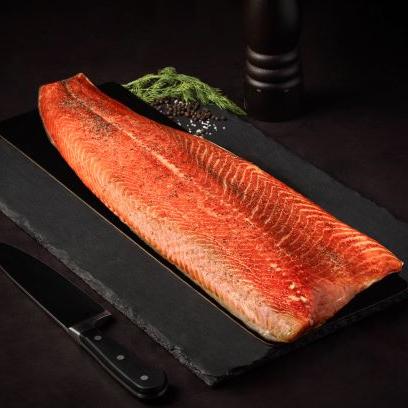
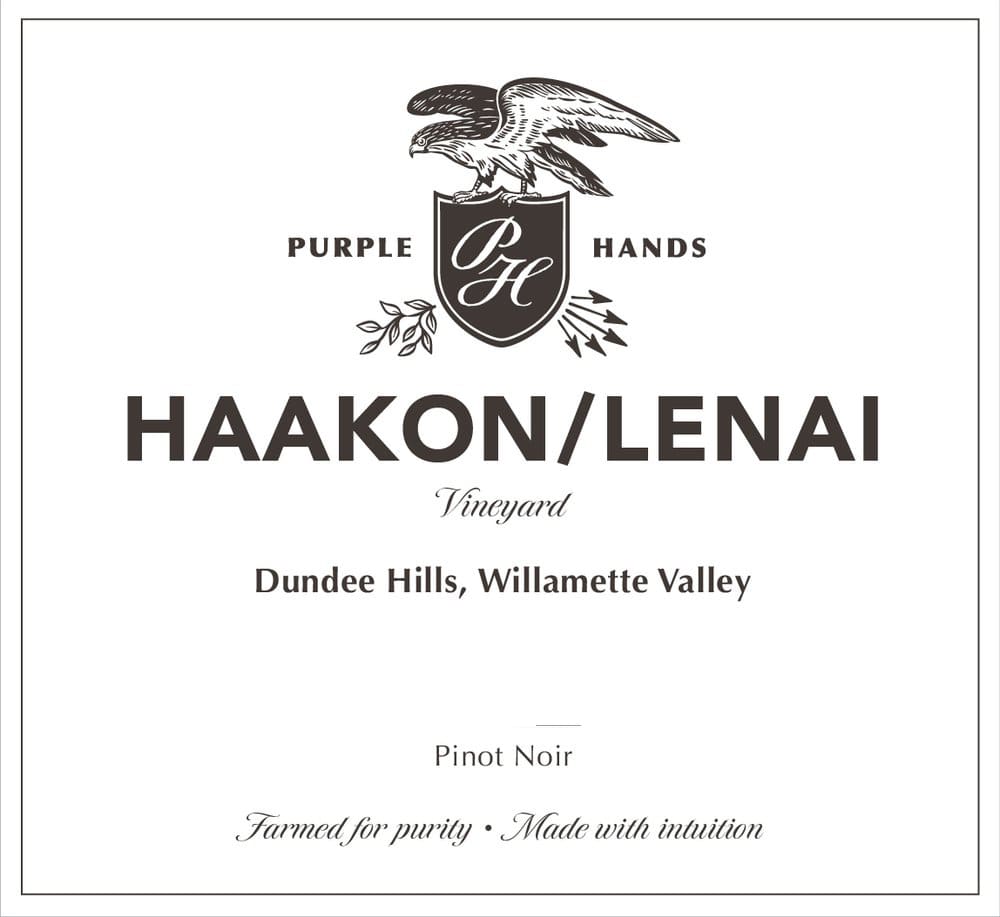
Choosing a light-bodied option such as a Pinot Noir can elevate grilled fish dishes significantly. The subtle fruit notes and low tannins complement the delicate flavors without overpowering them.
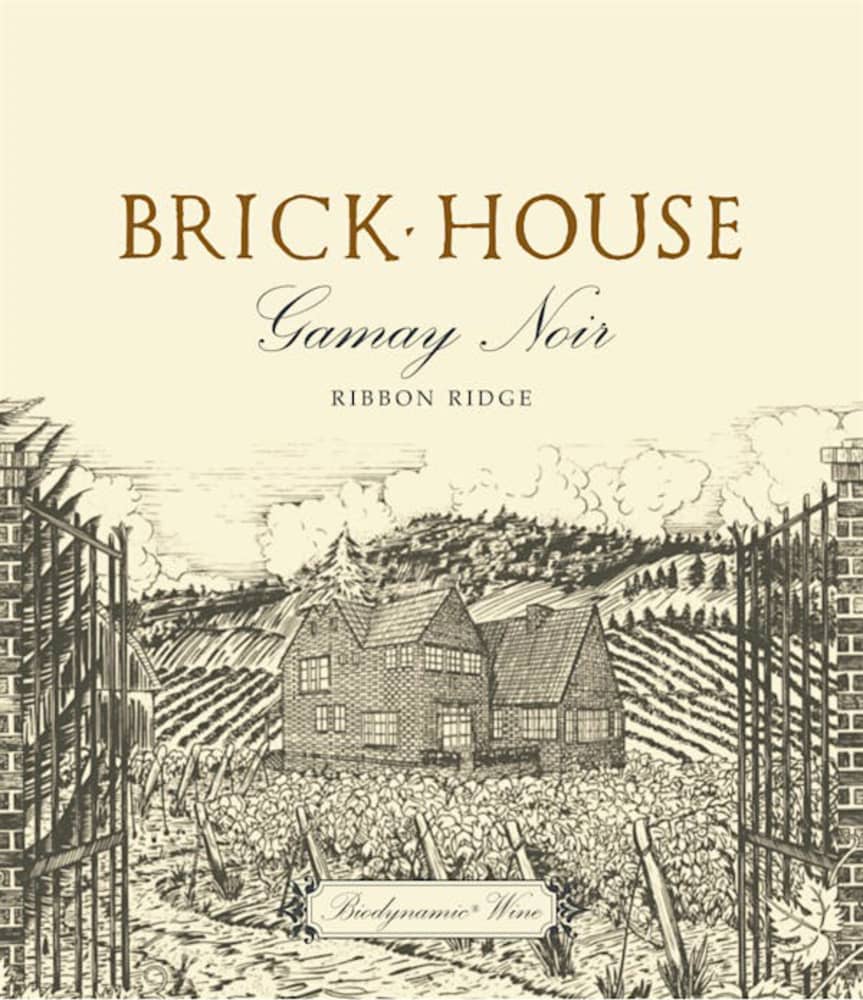
Another excellent selection is a Gamay. This wine, known for its juicy profile and bright acidity, enhances the richness of the fish while providing a refreshing contrast.
If you’re inclined towards something bolder, a light-bodied Merlot can also work wonders. Its smooth texture and hints of berry can harmonize beautifully with grilled preparations, especially when accompanied by citrus or herb marinades.

For a unique twist, consider a chilled Beaujolais. Its fruity essence and refreshing character create an enjoyable pairing that brings out the best in the dish.
Optimal Choices for Pairing Red Varietals with Fish
A light-bodied Pinot Noir stands out as an excellent companion for fish dishes. Its subtle acidity and bright fruit notes enhance the flavors without overwhelming the palate. Another strong contender is Gamay, known for its refreshing qualities and berry aromas, which complement the richness of the fish. Both options provide a harmonious balance, allowing the essential qualities of the dish to shine through.
Factors to Consider
When selecting a suitable beverage, consider the preparation method and accompanying ingredients. Grilled varieties should be matched with wines that exhibit smoky undertones, while dishes featuring rich sauces may benefit from a more robust option like a light Merlot.
| Wine Variety | Flavor Profile | Best Preparation |
|---|---|---|
| Pinot Noir | Light, fruity, with a hint of earthiness | Grilled or pan-seared |
| Gamay | Fresh, floral, low tannins | Oven-baked or roasted |
| Light Merlot | Soft, plummy, with moderate tannins | Rich sauces or creamy preparations |
Serving Suggestions
Serve these selections slightly chilled to enhance their refreshing qualities. This temperature not only accentuates the fruitiness but also provides a pleasant contrast to the fish’s texture. Experimenting with local varieties can also yield delightful surprises, as many regions produce unique options that excel in pairing with seafood.
Understanding Salmon Varieties and Their Flavors
I recommend exploring the distinct flavors of various salmon species to enhance your dining experience. Wild-caught Sockeye provides a rich, meaty texture and a robust flavor profile, making it a fantastic match for fuller-bodied beverages. The bright, bold taste pairs beautifully with wines that have a touch of acidity.
Coho, known for its moderate flavor and buttery texture, complements lighter selections quite well. Its subtle nuances allow for versatility in accompaniments, where a softer drink can elevate the dish without overpowering it.
Pink salmon, often milder and more delicate, works best with gentle, fruity options. The lighter flesh harmonizes with wines that exhibit a fresh, crisp character, enhancing the overall experience without overwhelming the palate.
Chinook, or King salmon, boasts a higher fat content, resulting in a luscious mouthfeel. This richness can handle bolder options, allowing for experimentation with robust choices that can stand up to its flavor intensity.
Lastly, farmed Atlantic salmon offers a consistent flavor that leans towards sweetness. It pairs well with soft, round selections, creating a delightful balance that highlights its inherent qualities.
Understanding these varieties not only elevates your meal but also enriches the overall tasting experience. Each type brings its own personality, allowing for unique combinations that enhance both the fish and the selected beverage.
Characteristics of Red Wines Suitable for Salmon
Fruity notes, moderate tannins, and balanced acidity are key traits I look for in a glass that complements this fish. Varietals such as Pinot Noir and Gamay stand out due to their bright fruit characteristics and lower tannin levels, which harmonize beautifully when paired with the rich flavors of salmon.
Pinot Noir, for instance, offers a range of red berry flavors–think cherry, raspberry, and strawberry. Its earthiness can enhance the umami aspects of grilled or roasted salmon, while its acidity cuts through the fat found in salmon dishes. A bottle from regions like Oregon or Burgundy often showcases this finesse.
Gamay, particularly from Beaujolais, presents a lighter option. Its juicy profile and refreshing acidity make it ideal for salmon preparations that include fruit-based sauces or glazes. The wine’s floral notes can elevate the overall dining experience.
| Wine Varietal | Flavor Profile | Best Preparation |
|---|---|---|
| Pinot Noir | Red berries, earthy, nuanced | Grilled, roasted, or served with mushroom sauces |
| Gamay | Juicy, floral, vibrant | Fruit glazes, lighter preparations |
| Grenache | Spicy, berry-rich, medium-bodied | Spicy salmon dishes, Mediterranean-style |
Grenache can also be a worthy contender, especially when paired with spicier salmon recipes. Its berry richness and mild spiciness provide a lovely counterbalance to the dish’s seasoning.
Choosing a wine with lower tannins and good acidity ensures that the pairing remains harmonious. By focusing on these characteristics, I can enjoy a delightful combination that enhances the dining experience.
Light-bodied Red Options for Delicate Salmon Dishes
Choosing a light-bodied option such as a Pinot Noir enhances the flavors of subtle salmon preparations. Its soft tannins and bright acidity complement the fish without overpowering it. This varietal works particularly well with grilled or poached salmon, allowing the dish’s natural flavors to shine.
Another excellent choice is Gamay, especially from the Beaujolais region. Its fruity profile and low tannin content create a refreshing contrast to the rich texture of salmon. This wine pairs beautifully with salmon salads or dishes featuring fruity salsas.
For those who appreciate a touch of spice, a chilled Grenache can be an intriguing selection. Its berry notes and moderate acidity harmonize nicely with roasted preparations, enhancing the overall dining experience.
Lastly, consider a soft Merlot. Its smooth mouthfeel and notes of plum and cherry can complement smoked salmon, balancing the dish’s saltiness and richness effectively. This pairing is ideal for casual gatherings or sophisticated dinners alike.
Choosing Medium-bodied Reds for Grilled Salmon
For grilled preparations of this fish, I recommend a medium-bodied Pinot Noir. Its bright acidity and red fruit notes complement the smoky char from the grill while enhancing the natural flavors of the fish. Look for options from Oregon or Burgundy, as they typically offer a balance of fruit and earthiness that pairs well.
Another excellent choice is a Grenache, especially those from Spain, where the wine’s ripe berry flavors and subtle spice lift the dish without overpowering it. The soft tannins in Grenache make it very approachable alongside grilled varieties.
Beaujolais, made primarily from the Gamay grape, can also be a delightful companion. Its light tannins and juicy profile enhance the richness of grilled salmon, particularly if the dish includes a touch of sweetness, like a glaze or a fruit salsa.
For a slightly bolder option, I suggest a medium-bodied Syrah. This varietal, especially from regions like the Rhône Valley, offers peppery and dark fruit characteristics that can beautifully contrast the savory elements of your grilled creation.
When selecting any of these options, consider the seasoning and accompaniments used in your dish. A herbaceous marinade or a citrus-based sauce can influence the flavor profile, enhancing the pairing experience. It’s all about finding that balance between the wine’s characteristics and the dish’s profile.
Heavy Reds: When to Avoid with Salmon
Opting for bold, full-bodied varietals can overshadow the delicate nuances of salmon. The pronounced tannins and intense flavors of these wines often clash with the fish’s subtleties, leading to an unbalanced experience.
Here are specific situations where it’s best to steer clear of heavy-bodied selections:
- When Serving Lightly Seasoned Dishes: If the salmon is simply prepared, such as poached or grilled with minimal seasoning, a robust wine can overpower the dish.
- With Delicate Sauces: Creamy or buttery sauces paired with salmon require softer and more nuanced options to complement without overwhelming.
- During Summer Gatherings: In warm weather, lighter fare is often preferred, making heavy varietals feel out of place and clunky alongside refreshing salmon salads.
- For Raw Preparations: Sushi or sashimi featuring salmon demands lighter, crisper choices that enhance freshness rather than mask it.
Choosing wisely allows the salmon’s flavors to shine. Heavy-bodied options can be reserved for richer dishes where their intensity can be appreciated without conflict. Consider the overall meal composition and opt for wines that harmonize rather than dominate.