Chuck Furuya
I recommend a light-bodied, chilled Pinot Noir. This specific grape variety brings forth a delicate balance of fruitiness and acidity, complementing the briny notes of fresh mollusks. The subtle cherry and cranberry flavors enhance the oceanic essence without overwhelming the palate.
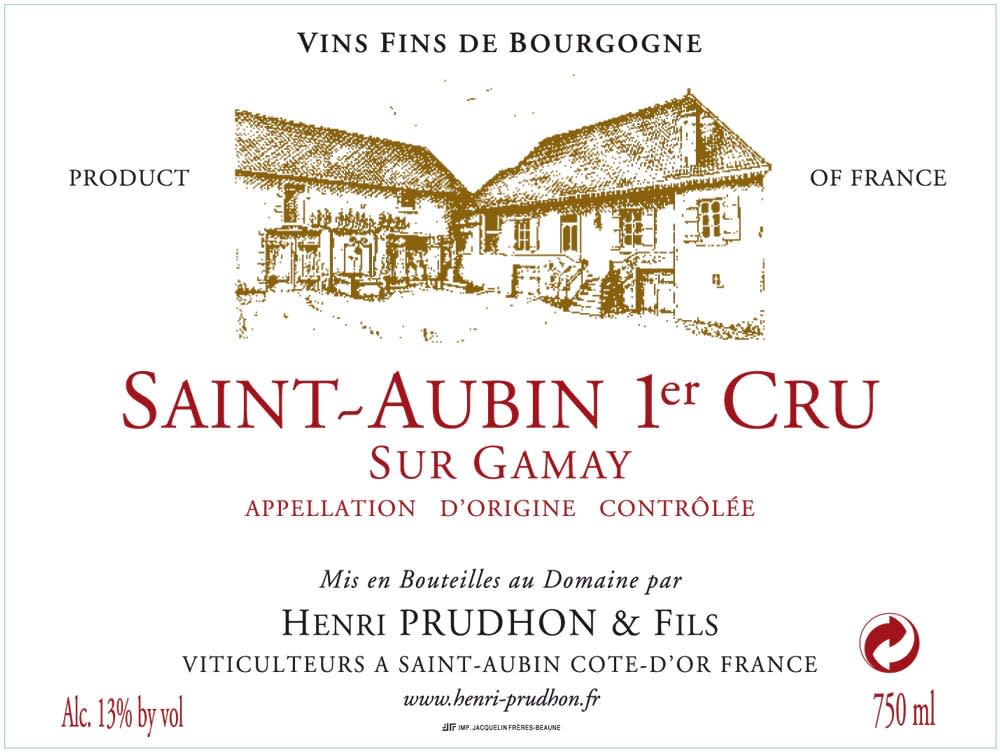
Another intriguing option is a Gamay, particularly from the Beaujolais region. Its low tannin structure and refreshing profile provide an excellent contrast to the saline characteristics of the shellfish, allowing the unique flavors of both the beverage and the seafood to shine through.
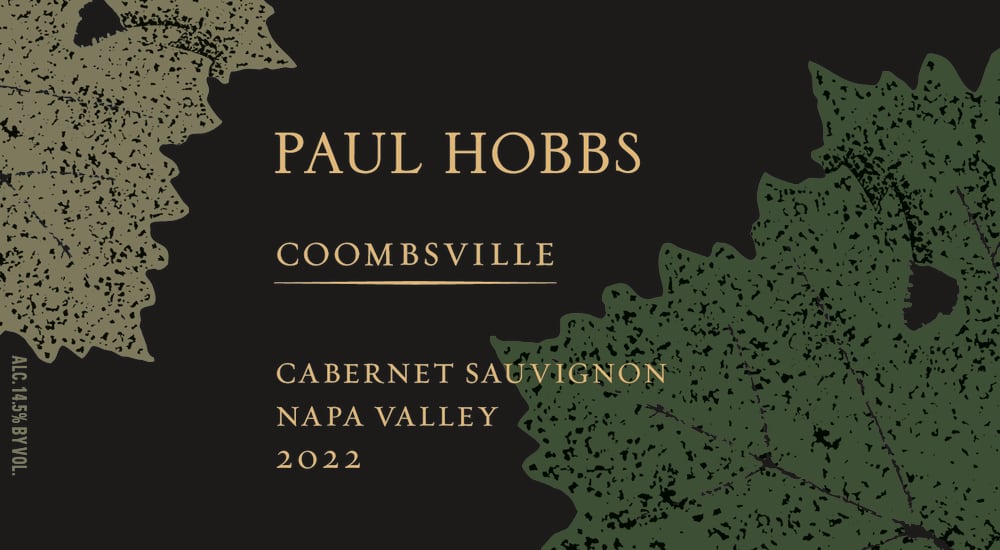
For a more adventurous pairing, consider a light Merlot. The smooth texture and soft fruit notes can create a harmonious blend with the richness of the oysters, especially when served with a hint of lemon or a mignonette sauce. This combination can elevate your dining experience, making it both memorable and enjoyable.
Pairing Suggestions for Shellfish
For a delightful experience, I recommend a light-bodied Pinot Noir. This choice complements the brininess of shellfish without overpowering the delicate flavors. Look for a bottle with fruity notes and moderate tannins.
Another excellent option is Gamay, particularly from Beaujolais. Its fruit-forward profile and refreshing acidity harmonize well with the seafood’s texture, enhancing the overall tasting experience.
Here are a few specific selections to consider:
- 2019 Domaine de la Côte Pinot Noir – Offers bright red fruit flavors with a hint of earthiness.
- 2020 Jean Foillard Morgon – A vibrant Gamay that showcases juicy cherries and subtle floral notes.
- 2018 La Crema Pinot Noir – Known for its silky finish and balanced acidity, perfect for pairing.
When serving, chill the bottle slightly to enhance its refreshing qualities. This approach will elevate the combination, creating a memorable dining experience.
Choosing the Right Red Pairing for Different Oyster Types
For briny varieties like Kumamoto, I recommend a light-bodied Pinot Noir. Its subtle fruitiness complements the sweet, creamy texture of these oysters without overpowering their delicate flavor.
Fatty Oysters
For richer types such as Pacific oysters, a Gamay works well. The bright acidity and berry notes enhance the buttery qualities, creating a balanced experience on the palate.
Salty Varieties
On the other hand, for saltier species like Atlantic oysters, a light Merlot is ideal. Its smooth tannins and dark fruit flavors harmonize beautifully with the saline notes, offering a refreshing contrast.
Balancing Acidity and Flavor Profiles in Pairings
Choosing a harmonious match between a full-bodied red and fresh shellfish hinges on understanding the interplay of acidity and flavor nuances. A medium-bodied option, such as a Pinot Noir, can effectively bridge the gap, offering bright acidity that complements the brininess of the seafood. The fruit-forward nature of this varietal enhances the natural sweetness of the mollusks, creating a pleasing contrast.
Acidity Considerations
Acidity plays a pivotal role in these combinations. A wine with high acidity cuts through the richness of the oysters, refreshing the palate. Look for profiles that exhibit red berry notes and a hint of earthiness, which can elevate the tasting experience. For instance, a Gamay from Beaujolais could provide the right balance, as its acidity and lighter body harmonize beautifully with various oyster types.
Flavor Profiles
The flavor profile of the chosen beverage should align with the specific characteristics of the shellfish. For instance, if the oysters are creamy and buttery, a wine that offers subtle tannins and complexity will enhance their texture. A Grenache, with its ripe fruit and soft tannins, might serve as a delightful companion, allowing the natural flavors to shine without overpowering them.