Chuck Furuya
I recommend a Pinot Noir, which complements the rich flavors of grilled fish beautifully. This varietal offers a light to medium body, allowing the delicate taste of the salmon to shine through while enhancing its smoky notes from the grill.
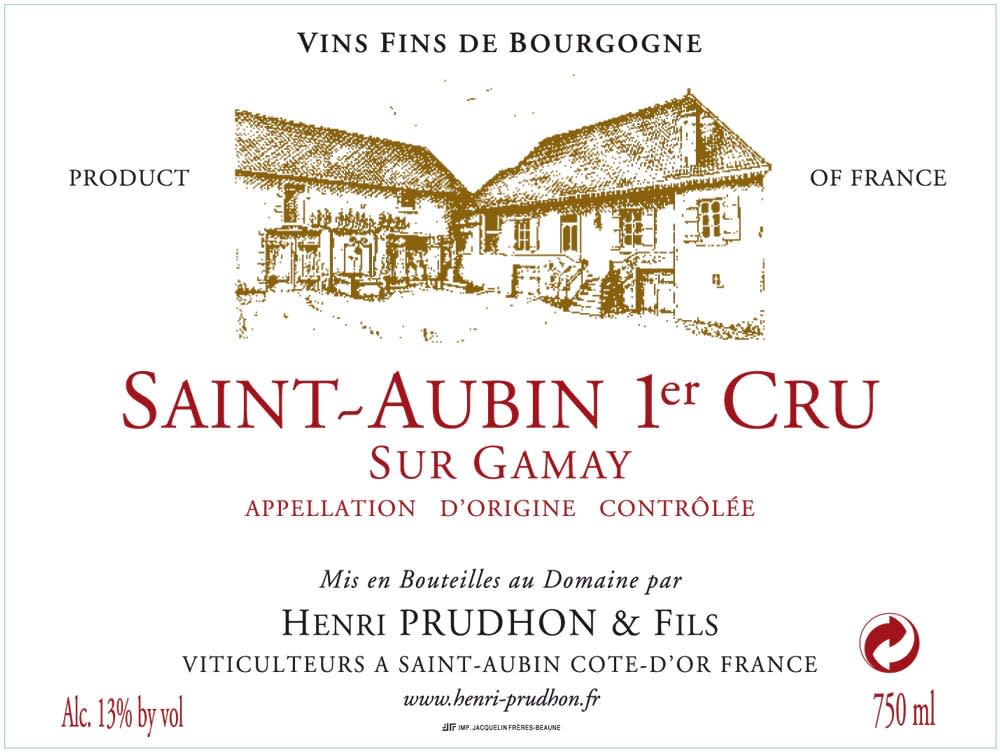
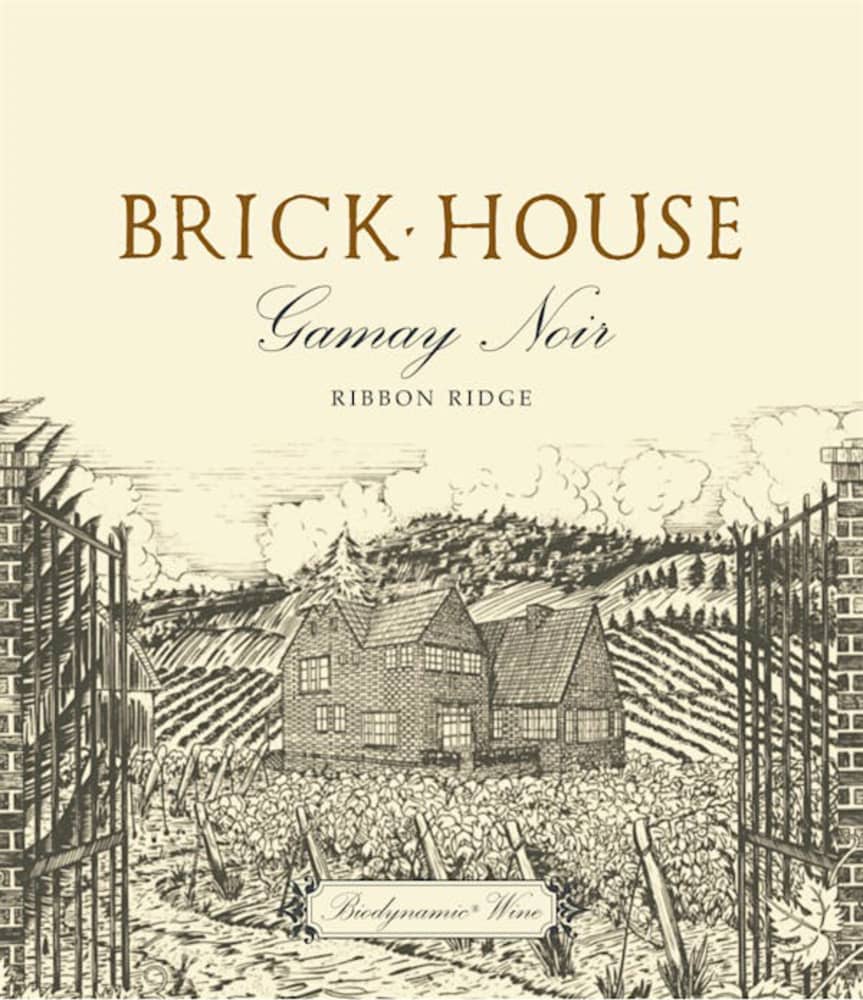
Another excellent choice is a Gamay, particularly those from the Beaujolais region. Its fruity and floral characteristics harmonize effortlessly with the savory elements of the dish, creating a balanced experience on the palate.
For those who prefer something bolder, a light-bodied Merlot can also be a great match. Its soft tannins and plum flavors provide a subtle contrast to the fish without overwhelming it, making for an enjoyable culinary experience.

Consider serving these options slightly chilled to elevate the overall tasting experience. This temperature will not only bring out the wine’s fresh aromas but also complement the grilled preparation of the fish perfectly.
Red Options for Grilled Fish
I recommend a Pinot Noir for its light body and bright acidity, which complements the richness of the fish without overpowering it. The fruit-forward notes enhance the natural flavors, creating a harmonious experience. A pairing from Oregon or California can add a unique regional touch.
Other Considerations
A Gamay is another excellent choice, especially those from Beaujolais. This option brings refreshing berry flavors and a slight earthiness that can elevate the dish’s smoky notes. Look for a chilled version to enhance its refreshing qualities.
Experimenting with Blends
A lighter Merlot can also work, particularly if it has softer tannins and fruity characteristics. Avoid overly oaked varieties, as they may clash with the grilled nuances. An intriguing alternative could be a Grenache, which provides a juicy profile that complements savory elements beautifully.
Understanding Flavor Profiles of Grilled Salmon
For an enhanced dining experience, I focus on the flavors of grilled fish. The primary notes include rich, smoky undertones from the grill, complemented by the natural sweetness and buttery texture of the fish. These characteristics create a complex palate that can interact beautifully with certain beverages.
Key Flavor Characteristics
The grilling process introduces a charred, caramelized exterior, while the flesh remains moist and tender. The inherent oiliness of the fish contributes to a mouthfeel that can support bolder flavors. Additionally, herbs and spices often used during preparation, like dill or garlic, can elevate the overall taste profile.
Flavor Pairing Table
| Flavor Component | Complementary Notes |
|---|---|
| Smoky | Fruity, earthy tones |
| Buttery | Creamy, floral accents |
| Sweet | Spicy, herbal hints |
Understanding these flavor profiles allows me to choose the ideal companion beverage that highlights the unique qualities of the dish. The balance between smokiness and sweetness can guide my selection, resulting in a delightful culinary experience.
Top Varieties for Seafood Pairings
For a delightful experience, I recommend focusing on these specific grape varieties that complement seafood beautifully:
- Pinot Noir: A lighter-bodied option featuring berry notes and subtle earthiness, it enhances the flavors of various fish dishes without overpowering them.
- Gamay: Known for its bright acidity and fruity profile, this choice often has a refreshing quality that works harmoniously with grilled varieties.
- Grenache: The berry-driven flavors combined with a hint of spice can add an interesting layer to the taste of grilled seafood.
- Barbera: High acidity and low tannins make this wine a versatile companion, allowing the natural flavors of the dish to shine through.
- Syrah/Shiraz: Depending on the region, it can offer peppery notes and dark fruit flavors, which can complement richer seafood preparations.
Each of these selections offers unique characteristics that elevate the dining experience, ensuring a delightful balance between the dish and the beverage.
Serving Temperature and Decanting Tips for Your Choice
The ideal serving temperature for a lighter-bodied choice is around 55°F to 60°F (13°C to 16°C). For those with a fuller body, aim for 60°F to 65°F (16°C to 18°C). A simple way to achieve this is by placing the bottle in the refrigerator for about 30 minutes prior to serving.
Decanting plays a significant role in enhancing the flavors. For younger selections, a brief decanting period of 30 to 60 minutes allows the aromas to open up. For older varieties, limit exposure to air to 15 to 30 minutes to preserve delicate nuances.
Use a clean glass decanter to prevent contamination of flavors. Pour slowly to minimize sediment disturbance, particularly in older bottles. This not only aids in aeration but also enhances the visual presentation, adding an element of elegance to your meal.
Always taste before serving. If a selection seems too tight or muted, a bit of air can work wonders. Just be cautious not to overexpose older options, preserving their complex characteristics.