Chuck Furuya
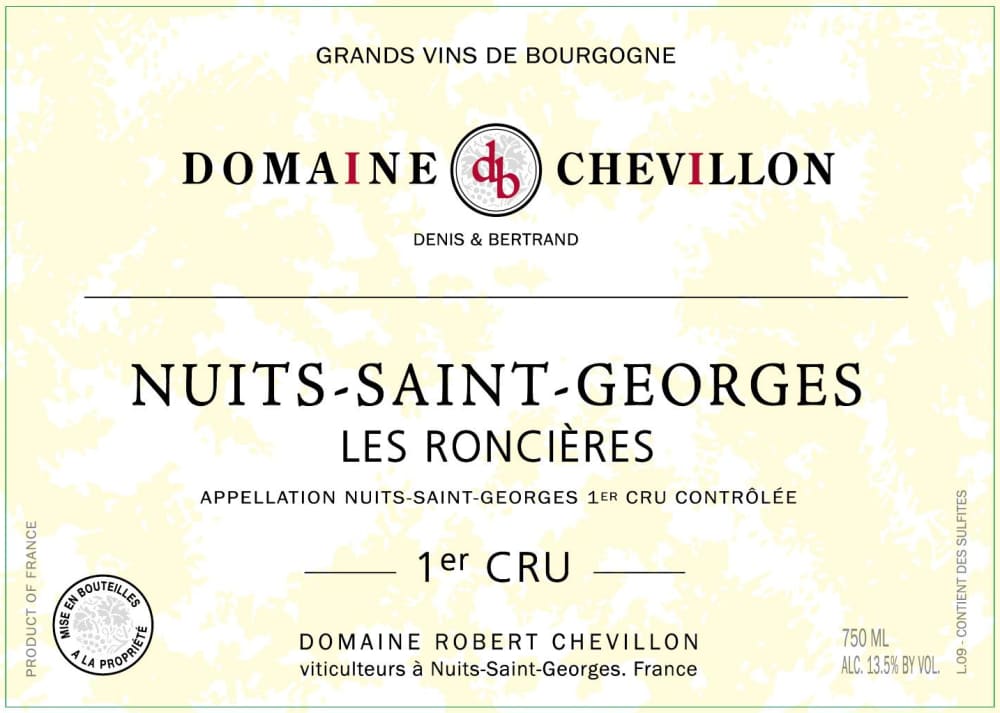
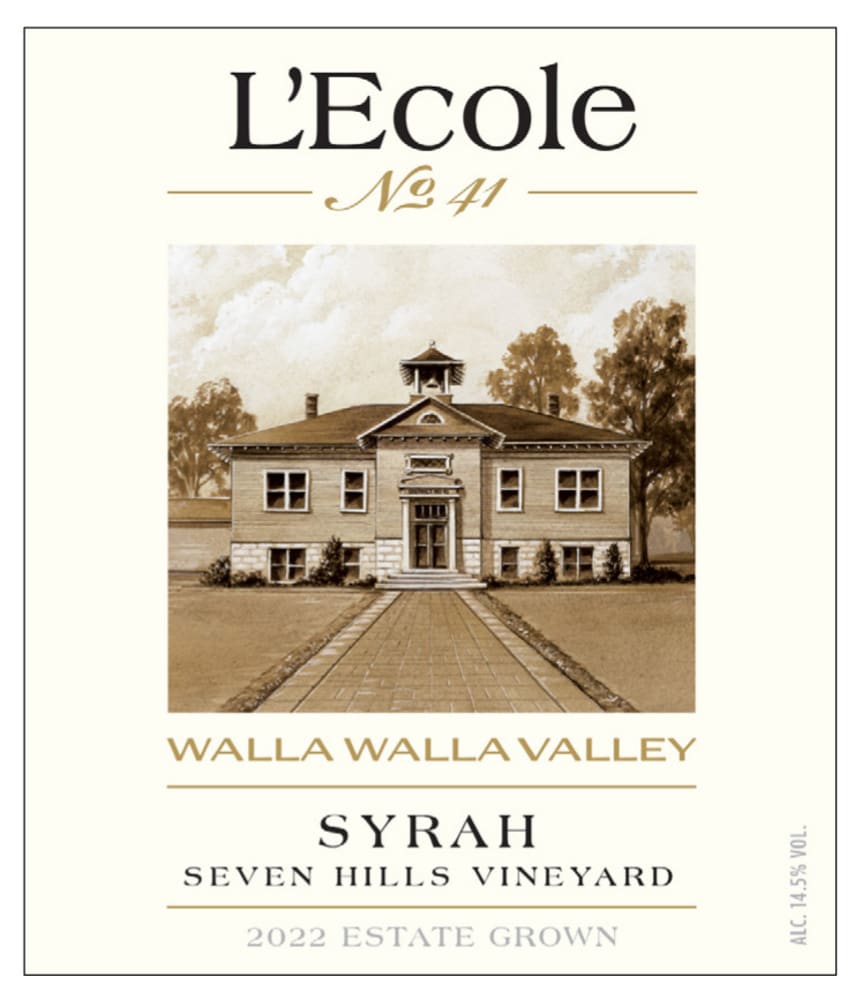
To elevate the indulgence of duck liver pâté, I recommend a glass of Banyuls. This fortified wine from the Roussillon region of France offers a luscious sweetness that beautifully complements the rich, buttery texture of the dish.
If you’re looking for a fuller-bodied option, consider a Malbec from Argentina. Its dark fruit flavors and velvety tannins create a harmonious balance, enhancing the savory notes of the pâté while cutting through its richness.
Another excellent choice is a Zinfandel, particularly one with a jammy profile. The ripe berry flavors and subtle spice can accentuate the complexity of the dish, making each bite a delightful experience.
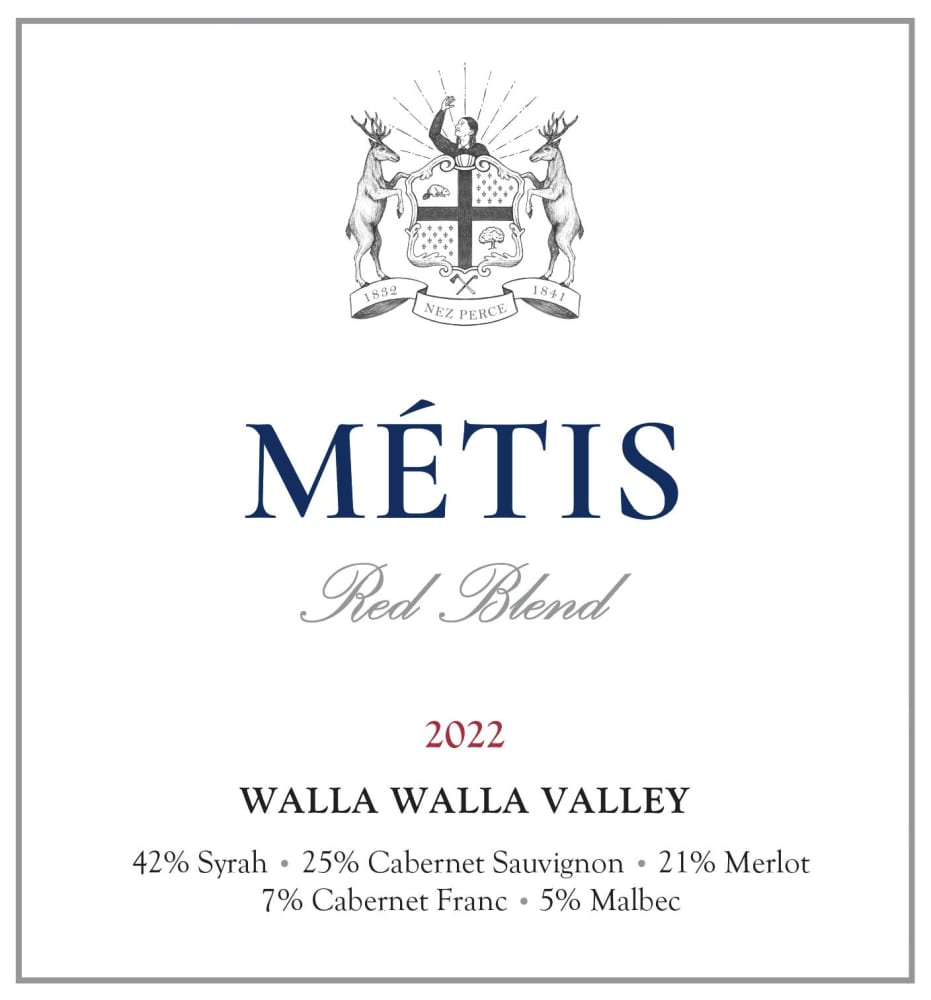
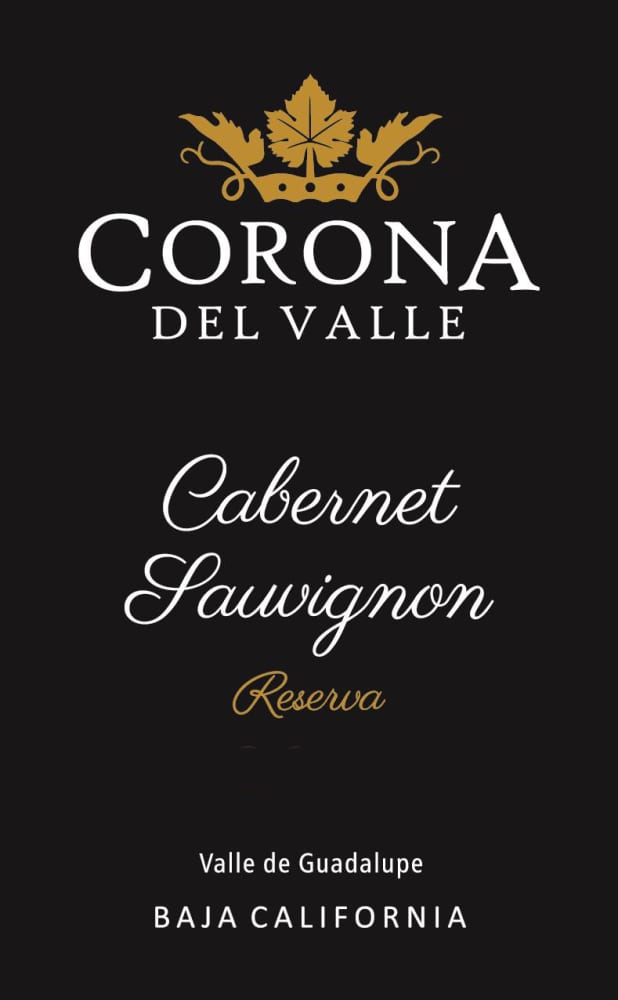
For a more unique pairing, try a Cabernet Sauvignon with a touch of aging. The mature tannins and depth of flavor will resonate well with the dish, providing a satisfying contrast that enhances the overall tasting experience.
Pairing Recommendations
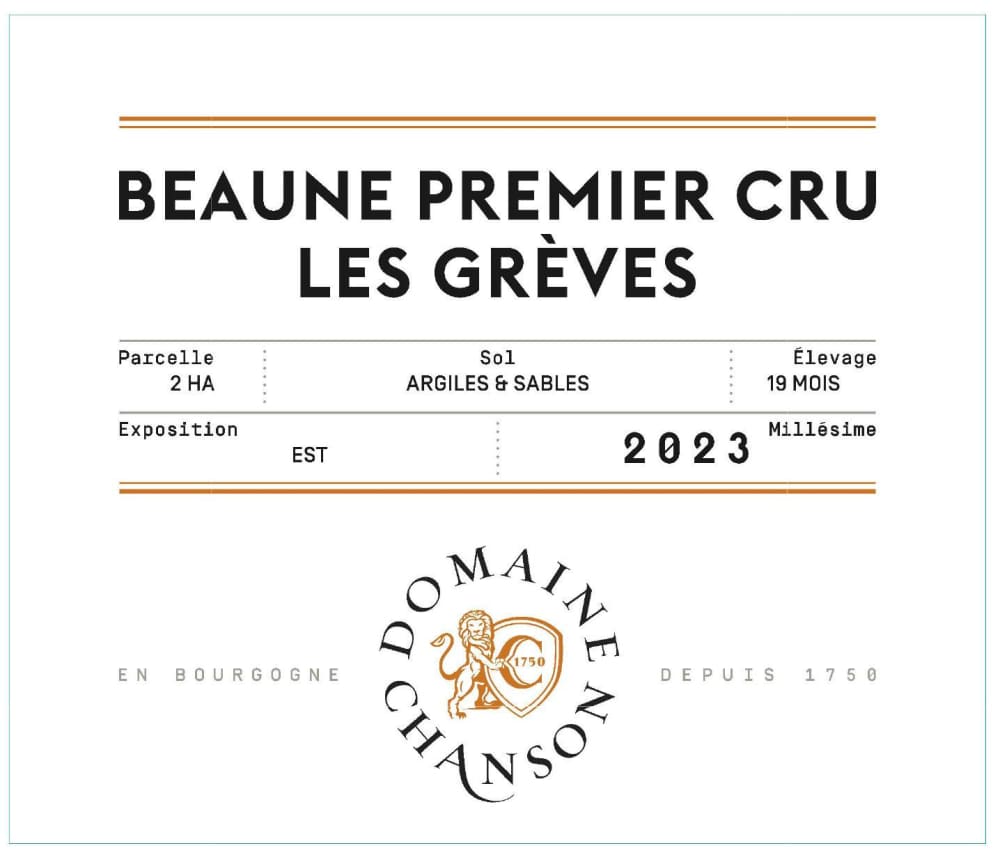
I recommend pairing a Pinot Noir with this delicacy. Its bright acidity and soft tannins complement the rich texture beautifully.
Another excellent choice is a Gamay, particularly one from Beaujolais. The fruit-forward profile enhances the flavors without overpowering them.
Consider a light-bodied Merlot as well. Its smooth, rounded palate balances the dish’s luxurious nature.
For those who enjoy more complexity, a well-aged Cabernet Franc can bring out earthy notes that harmonize with the richness.
Here are some specific selections:
- 2016 Domaine de la Vougeraie, Pinot Noir
- 2017 Jean Foillard, Morgon
- 2018 Château La Pointe, Merlot
- 2015 Charles Joguet, Chinon
Serve these at a slightly cooler temperature to enhance their aromatic profiles, making the experience even more delightful.
Understanding the Flavor Profile of Foie Gras
The rich, buttery texture and luxurious taste of this delicacy create a unique experience on the palate. One prominent characteristic is its pronounced umami, which pairs beautifully with numerous accompaniments. The subtle sweetness often found in the dish enhances its complexity, making it a delightful choice for pairing.
Flavor Notes
Each bite reveals layers of flavor, from savory to slightly sweet, with a hint of nuttiness. The natural fat content contributes to a smooth mouthfeel, allowing it to coat the palate. This richness requires careful consideration of pairing options to balance its intensity.
Accompaniments
Pairing elements like fruit preserves or tangy accompaniments can elevate the experience by cutting through the richness. Consider options such as fig jam, apple compote, or even a touch of balsamic reduction. These flavors create a delightful contrast, enhancing the overall tasting experience.
In conclusion, the flavor profile is multi-dimensional, offering an exquisite balance of savory and sweet, with a luxurious texture that demands thoughtful pairing choices.
Key Characteristics of Red Wines Suitable for Foie Gras
The ideal choice for pairing with this delicacy includes wines that possess a rich texture, moderate tannins, and a fruit-forward profile. A harmonious balance between acidity and sweetness enhances the overall tasting experience.
Texture and Body
Opt for options that offer a full-bodied mouthfeel. The velvety consistency complements the creamy nature of the dish, creating a luxurious sensation. Wines like Pinot Noir from warmer regions often exhibit this desired texture.
Fruit and Sweetness
Look for options showcasing ripe fruit flavors, such as raspberry, cherry, or plum. A hint of sweetness can elevate the pairing, making some off-dry varieties particularly appealing. These characteristics help to counterbalance the richness of the dish while enhancing its flavors.
Choosing wines with a lower tannin presence is vital; excessive tannins can overshadow the delicate notes of the dish. Instead, a smooth, approachable finish allows for a more enjoyable combination.
Finally, consider the aging potential of the beverage. Aged selections often develop complex flavors that can further enrich the pairing experience, adding depth and nuance to each sip.
Top Red Wine Varieties to Pair with Foie Gras
For an exquisite pairing, I recommend opting for a full-bodied Syrah. Its dark fruit flavors and peppery notes beautifully complement the rich, buttery texture of the delicacy.
An elegant Pinot Noir is another great choice. The wine’s acidity and red berry characteristics balance the richness, while its earthy undertones echo the terroir of the dish.
Consider a well-structured Merlot as well. The plush fruit flavors and soft tannins create a harmonious experience, enhancing the savory profile of the dish.
For those who enjoy bolder options, a Cabernet Sauvignon offers depth and intensity. The wine’s blackcurrant and cedar notes provide a striking contrast to the luxurious mouthfeel.
A unique option is a Grenache. Its bright red fruit and subtle spice can elevate the dish, pairing wonderfully with any accompanying sauces.
Aged Zinfandel can also be a delightful match. The jammy fruit and peppery finish enrich the overall tasting experience, making each bite memorable.
Lastly, I suggest exploring a Barbera. With its high acidity and fruity essence, this Italian varietal cuts through the richness, refreshing the palate.
Temperature and Serving Suggestions for Pairing with Foie Gras
Serve at a temperature between 60°F and 65°F (15°C to 18°C) for optimal enjoyment. This range allows the nuances to emerge without overwhelming the palate.
Here are some serving suggestions:
- Decanting is beneficial. Allow the liquid to breathe for at least 30 minutes before serving to enhance its aromas.
- Use a Burgundy glass to capture the bouquet effectively, offering a wider opening for better aeration.
- Accompany with a light, crisp bread or toasted brioche. The texture complements the richness of the dish.
Consider pairing with accompaniments such as:
- Fruit preserves, like fig or apricot, which provide a sweet contrast.
- Pickled vegetables to add a sharpness that balances the fat content.
For a complete experience, serve alongside a selection of cheeses that also harmonize with the flavors present in the dish.
Common Mistakes to Avoid When Pairing Red Wine with Foie Gras
Avoid choosing overly tannic options. High tannin levels clash with the rich, creamy texture of this delicacy, leading to an unbalanced experience. Opt for softer, fruit-forward selections instead.
Steer clear of overly oaked varieties. Excessive oak influence can mask the subtleties of flavors present in the dish. Look for wines with minimal oak aging to complement rather than overpower.
Do not ignore the importance of temperature. Serving a chilled bottle may mute the aromas and flavors, while serving at too high a temperature can exaggerate alcohol perception. Aim for a moderate temperature around 60-65°F (15-18°C).
Watch out for overly complex blends. While some combinations can enhance the dining experience, overly intricate profiles may distract from the main attraction. Simplicity often works best.
Be cautious with spicy or heavily flavored options. Spices can dominate the palate and create a discordant pairing. Choose wines that are smooth and harmonious to maintain balance.
Finally, don’t forget to consider personal taste. If a specific combination doesn’t resonate with your palate, feel free to experiment until you find the perfect match that suits your preferences.
| Mistake | Recommendation |
|---|---|
| Overly tannic selections | Choose fruit-forward wines |
| Excessive oak influence | Select minimally oaked options |
| Improper serving temperature | Serve at 60-65°F (15-18°C) |
| Overly complex blends | Opt for simpler profiles |
| Spicy or heavily flavored choices | Choose smooth, harmonious wines |
| Ignoring personal taste | Experiment until satisfied |