Chuck Furuya
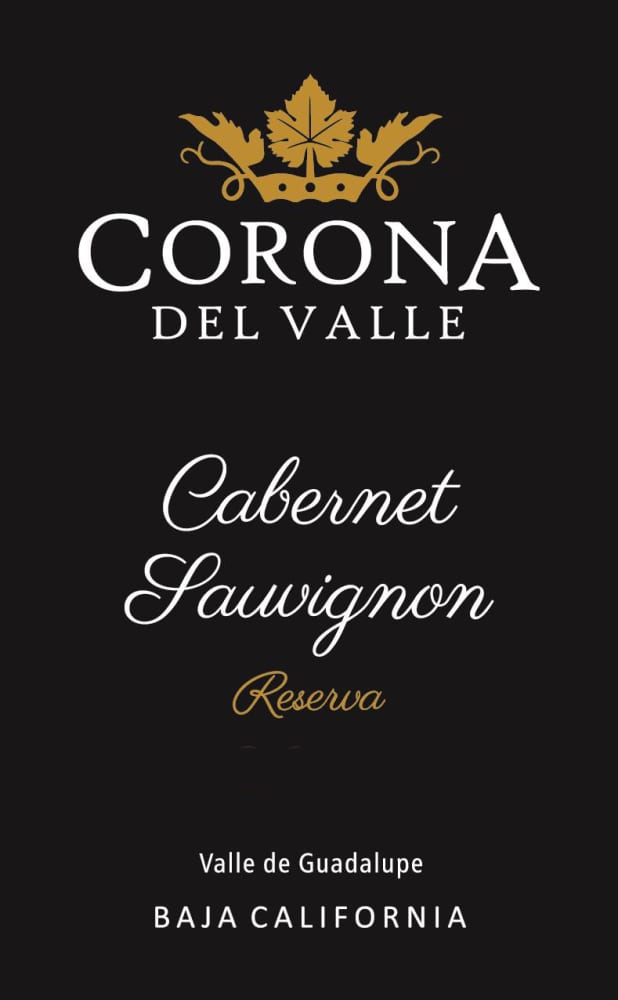
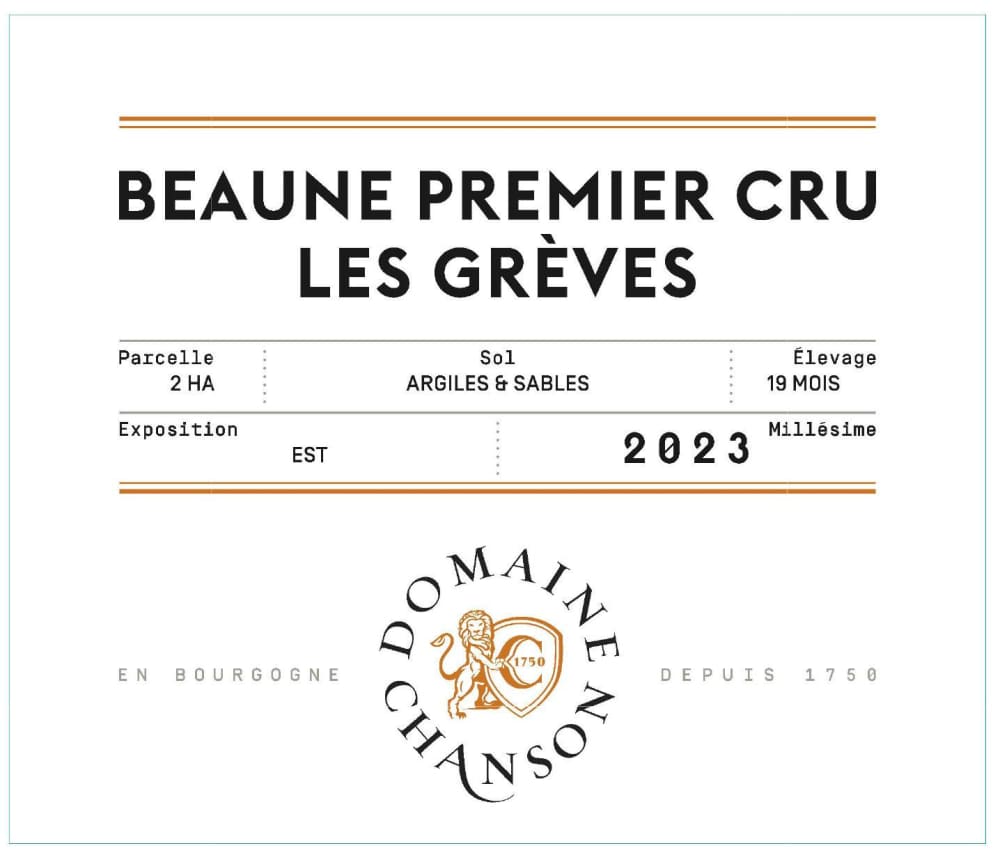
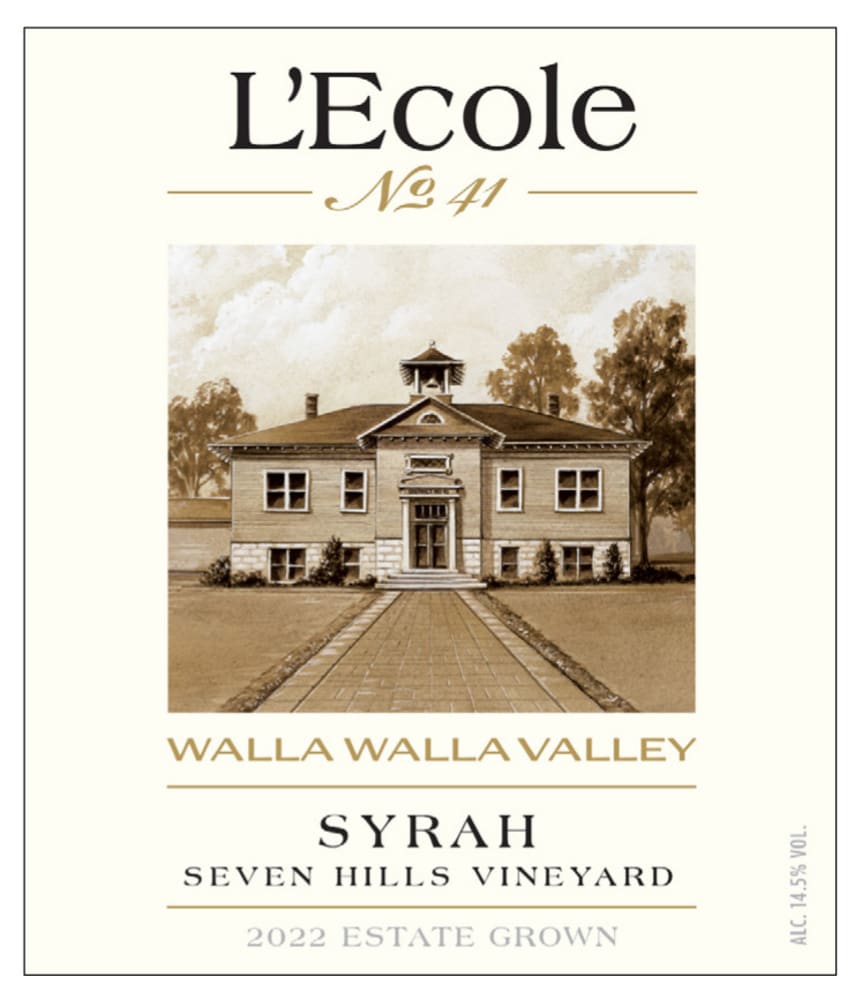
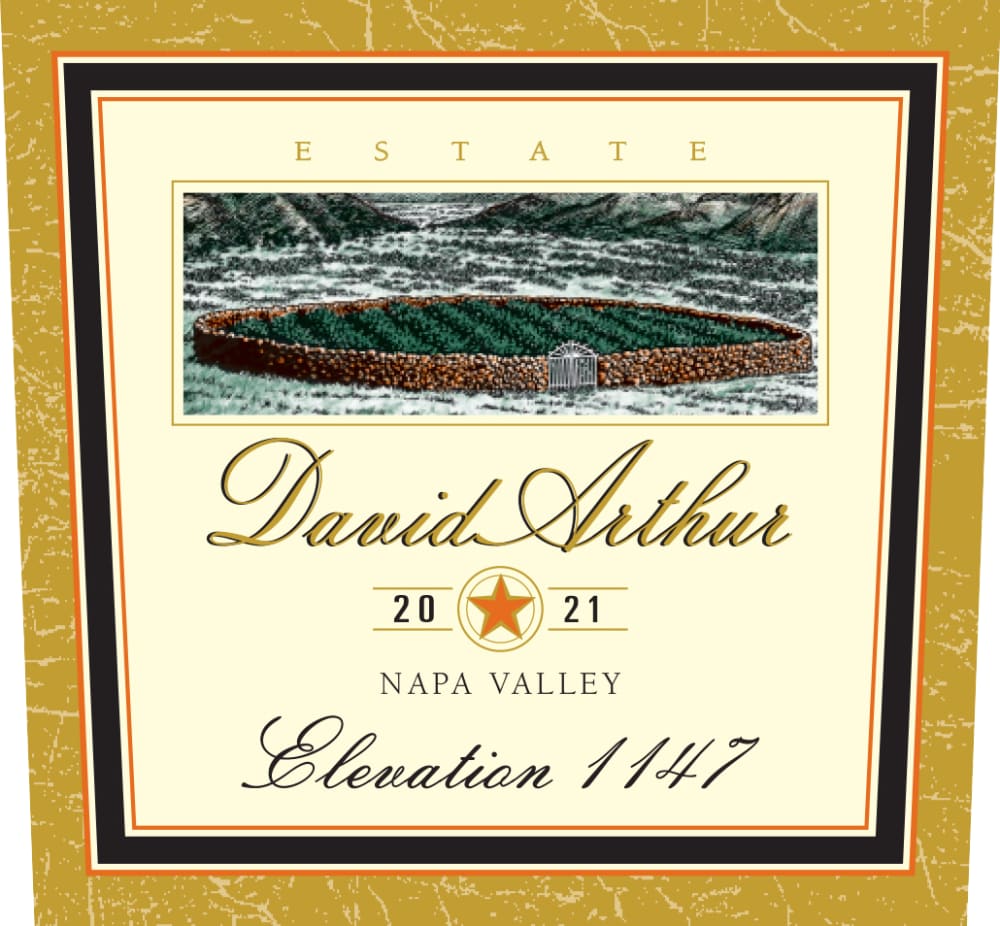
For a delightful pairing, I suggest a full-bodied Cabernet Sauvignon. The robust tannins and rich dark fruit flavors complement the savory notes of the meat beautifully, enhancing the overall dining experience.
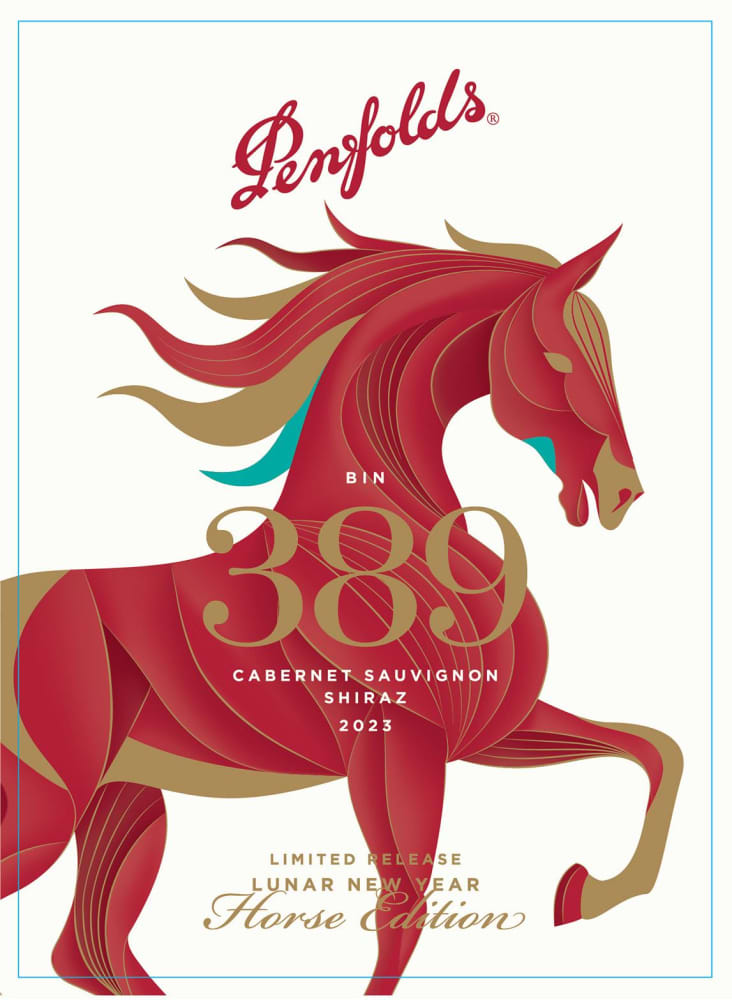
If you prefer a slightly softer option, a Syrah or Shiraz can also work wonders. Its peppery undertones and fruity characteristics provide a nice balance to the richness of the dish, creating a harmonious flavor profile.
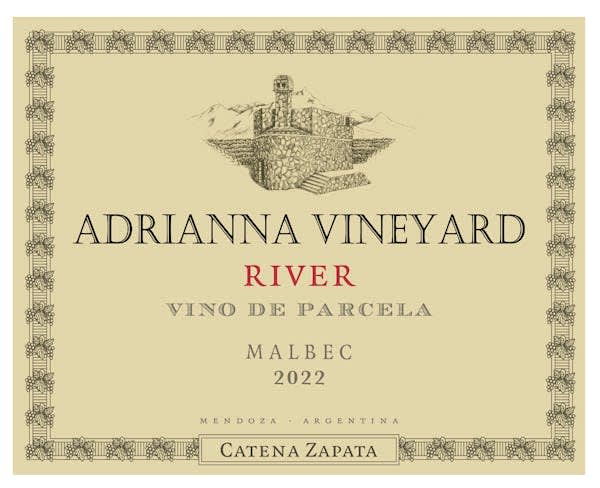
Another excellent choice is a Malbec. This variety’s deep berry flavors and velvety texture align perfectly with the juicy and tender qualities of the meat, making each bite even more enjoyable.
For those who enjoy a more refined selection, a Pinot Noir offers an elegant contrast. Its lighter body and acidity can cut through the richness, providing a refreshing palate cleanse with each sip.
Pairing Suggestions for Rack of Lamb
For a delightful experience, I recommend selecting a Cabernet Sauvignon or a Syrah. Both options provide a robust flavor profile that complements the richness of the meat.
Cabernet Sauvignon
This varietal typically showcases notes of dark fruits, such as blackberry and plum, along with hints of spice and oak. The tannins found in Cabernet Sauvignon help to balance the fatty elements of the dish. Look for bottles from regions like Napa Valley or Bordeaux for optimal pairing.
Syrah
Syrah, or Shiraz, is another excellent match. Its peppery undertones and dark fruit flavors create a harmonious blend with the savory aspects of the meat. Opt for a Syrah from the Rhône Valley or Australia to enhance the dining experience.
- Consider a Grenache for a lighter alternative, bringing berry notes and a touch of earthiness.
- A Malbec also works well, offering a velvety texture and rich fruit flavors that complement grilled preparations.
- For a unique twist, explore a Tempranillo, which adds a hint of leather and tobacco to the pairing.
Choosing the right bottle can elevate the meal, ensuring a memorable dining experience. Always consider the seasoning and preparation method of the dish for the best results.
Understanding the Flavor Profile of Rack of Lamb
The rich, succulent meat of lamb exhibits a unique flavor that pairs beautifully with various beverages. The distinct taste often carries hints of gamey, earthy, and herbal notes, which can enhance the overall dining experience.
When preparing lamb, consider the following flavor characteristics:
- Meatiness: The robust flavor demands a companion that can stand up to its intensity.
- Fat Content: The marbling adds richness, balancing the dish and allowing for a more complex pairing.
- Herbaceous Notes: Common seasonings like rosemary, thyme, and garlic contribute herbal undertones that complement well with certain varieties.
- Preparation Style: Grilled, roasted, or braised methods can alter the flavor profile significantly, affecting pairing choices.
Considering these aspects, I recommend opting for a beverage that showcases robust tannins, a good acidity level, and dark fruit flavors. Varieties such as Syrah, Cabernet Sauvignon, or a well-structured Merlot align beautifully with the richness of the meat.
Experimenting with regional selections can also enhance the dining experience. For instance, a wine from the Mediterranean might echo the herbal notes found in the dish. Pay attention to the preparation and seasoning to find the best match for your palate.
Why Red Wine Complements Rack of Lamb
Choosing a full-bodied Cabernet Sauvignon or a robust Syrah enhances the rich flavor of the meat. These varieties possess tannins that balance the fat content, creating a harmonious pairing. The bold characteristics of these beverages interact beautifully with the savory notes from herbs often used in preparation, such as rosemary and thyme.
A Merlot, with its softer tannins and fruity undertones, can also be an excellent match. The wine’s plum and cherry flavors enrich the dish, adding depth without overpowering it. When grilled or roasted, the caramelized exterior of the meat complements the wine’s natural acidity, elevating the overall experience.
It’s worth experimenting with a Malbec, as its dark fruit flavors and hints of spice can accentuate the seasoning of the meat. This choice pairs well with a smoky preparation, enhancing the complexity of each bite.
Temperature plays a vital role; serving these beverages slightly below room temperature allows their flavors to emerge fully. Decanting for about half an hour can soften the tannins, making each sip smoother and more enjoyable.
Ultimately, the key lies in balancing the intensity of the meat with the boldness of the drink, ensuring a delightful dining experience that highlights the unique characteristics of each element on the plate.
Top Red Wine Varieties for Rack of Lamb
For a sumptuous pairing, I recommend opting for a full-bodied Cabernet Sauvignon. Its robust structure and dark fruit notes beautifully complement the rich flavors of the meat.
Another excellent choice is Syrah, which offers spicy undertones that enhance the natural seasonings of the dish. The peppery finish of this varietal works well with the savory aspects of the preparation.
Tempranillo is also a fantastic option. Its earthy characteristics and hints of cherry provide a delightful contrast to the succulent morsels, making it an ideal match for any preparation style.
For those who prefer a bolder selection, consider Malbec. The deep, jammy fruit flavors and velvety tannins create a luxurious experience that pairs seamlessly with grilled or roasted preparations.
Lastly, a well-structured Bordeaux blend can elevate the dining experience. The complexity and depth of flavors found in these wines enhance the overall palate, making each bite more enjoyable.
Regional Pairings: Wines from Lamb-Producing Areas
For a harmonious dining experience, I often turn to selections from regions renowned for their lamb production. These areas typically produce varietals that complement the rich flavors of the meat beautifully.
Notable Regions and Their Selections
Here are some of my top picks based on geographical proximity to lamb farming:
| Region | Wine | Characteristics |
|---|---|---|
| Bordeaux, France | Merlot | Smooth, fruity, with soft tannins that enhance the dish’s flavors. |
| Barossa Valley, Australia | Shiraz | Bold, spicy, with notes of dark fruit that elevate roasted lamb. |
| Tuscany, Italy | Sangiovese | Bright acidity, earthy tones, and a hint of cherry that pairs well. |
| Central Otago, New Zealand | Pinot Noir | Elegant, with berry notes and a silky finish, perfect for grilled preparations. |
| Rioja, Spain | Tempranillo | Rich, with oak influence and savory notes that complement herb-seasoned dishes. |
By selecting a varietal from one of these regions, I enhance the overall culinary experience, creating a delightful synergy between the flavors of the meat and the characteristics of the beverage. Each choice offers a unique profile that can elevate a meal featuring lamb, making it memorable and satisfying.
How Tannins in Red Wine Affect the Pairing
Tannins play a pivotal role in selecting the perfect companion for lamb. These naturally occurring compounds, found in grape skins, seeds, and stems, contribute to a wine’s structure and mouthfeel. A higher tannin level can create a rich, astringent sensation, which pairs beautifully with the fatty, savory notes of lamb.
For optimal balance, I often choose options with moderate to high tannin levels, such as Cabernet Sauvignon or Syrah. The tannins help cut through the richness of the meat, enhancing its flavor while providing a pleasant contrast. Additionally, the wine’s acidity works in tandem with tannins to refresh the palate, making every bite and sip enjoyable.
When selecting a vintage, I consider the age of the bottle. Younger selections tend to have more pronounced tannins, while aged versions offer a smoother, more integrated profile. This smoothness can complement the tender texture of lamb, allowing the dish’s nuances to shine through without overwhelming them.
In summary, focusing on tannin content, acidity, and age ensures an exquisite harmony between the wine and the dish, elevating the dining experience significantly.