Chuck Furuya
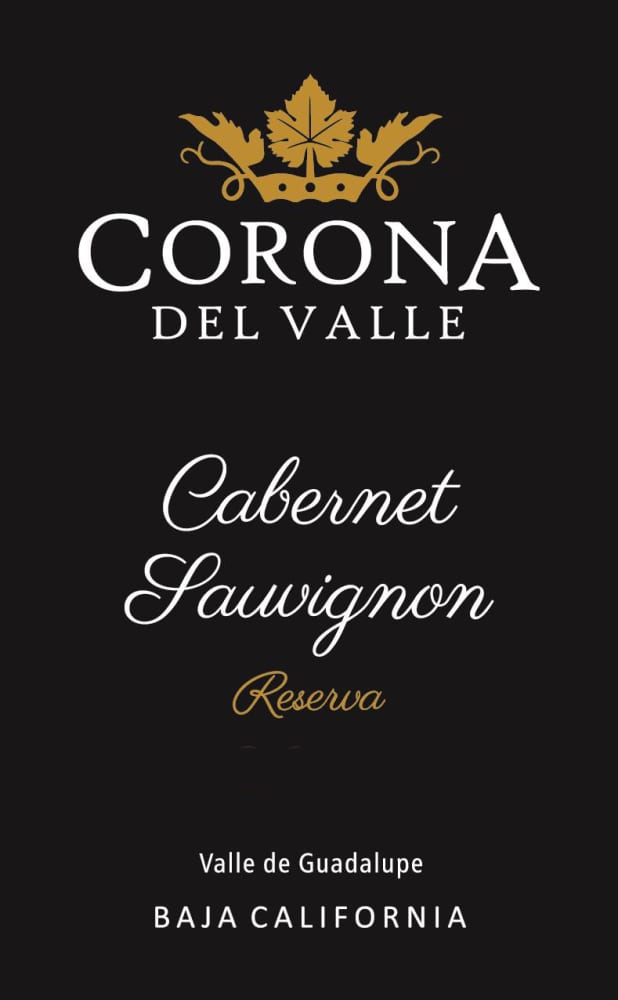
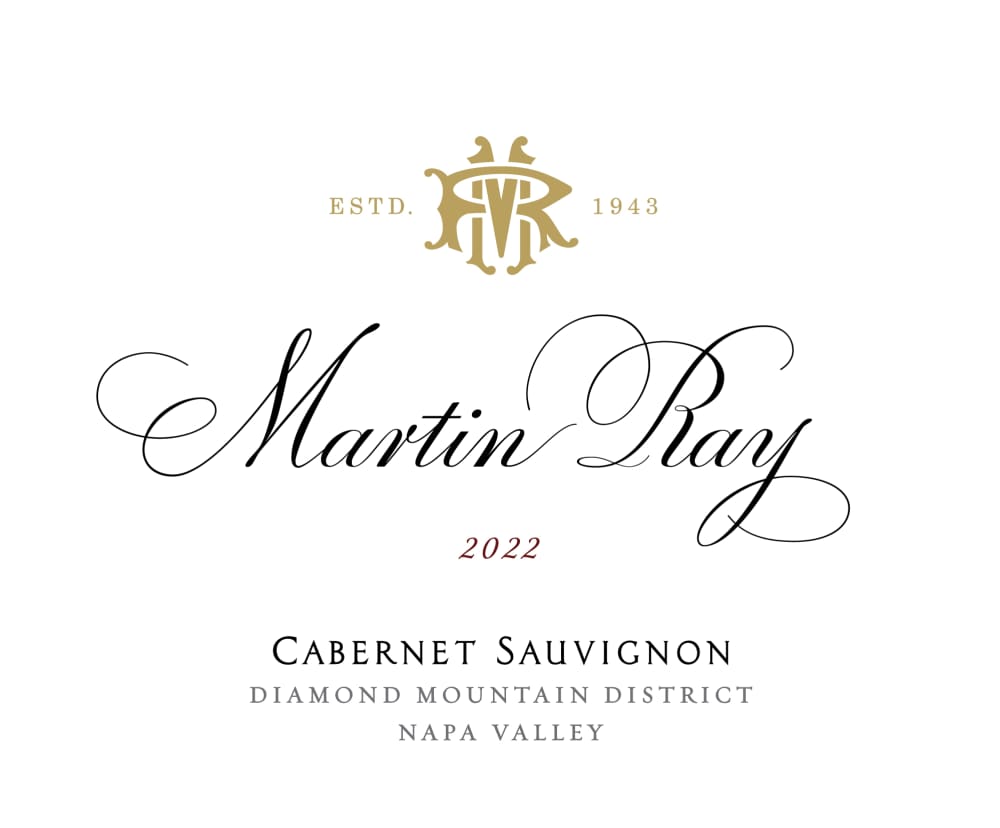
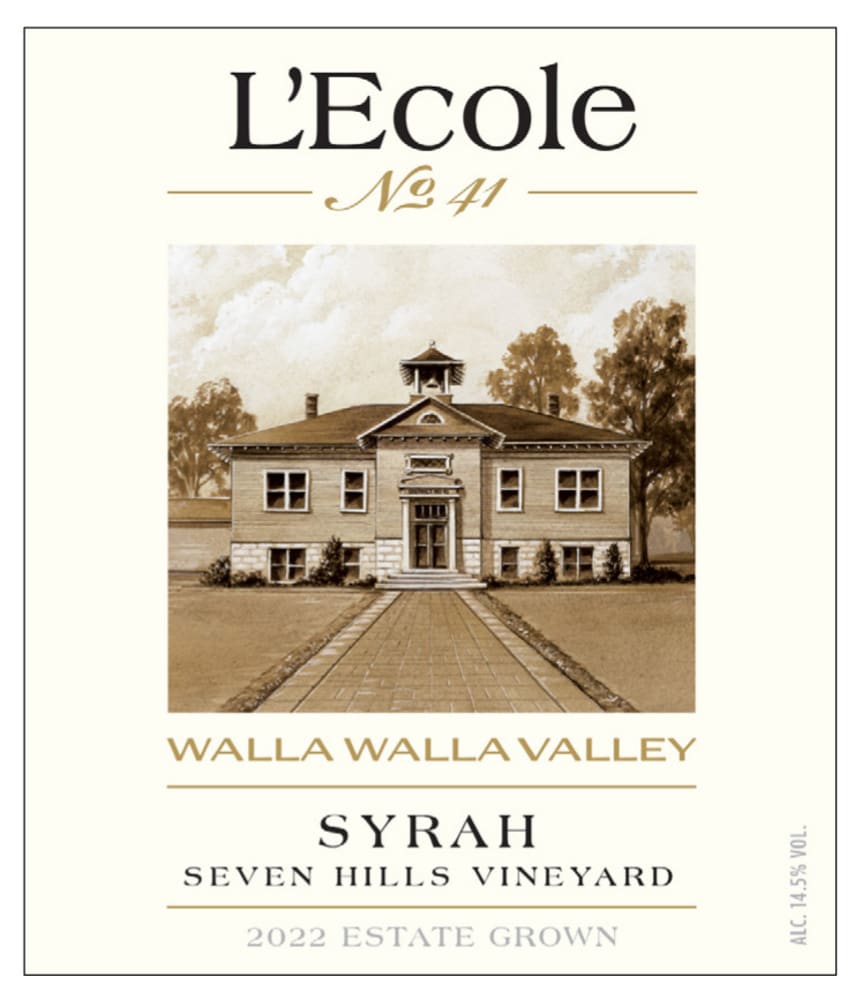
For an exquisite dining experience, I recommend a Syrah or Shiraz to complement the rich flavors of grilled or roasted meat. The bold fruitiness and peppery notes in these varieties create an exceptional harmony with the savory characteristics of the dish.
Alternatively, a full-bodied Cabernet Sauvignon can also elevate the meal. Its tannic structure and dark fruit profile resonate well with the succulent texture of the meat, enhancing each bite with depth and richness.
For those who prefer a more nuanced pairing, consider a Merlot. Its softer tannins and plum flavors provide a delightful contrast, balancing the dish’s savory elements without overpowering them.
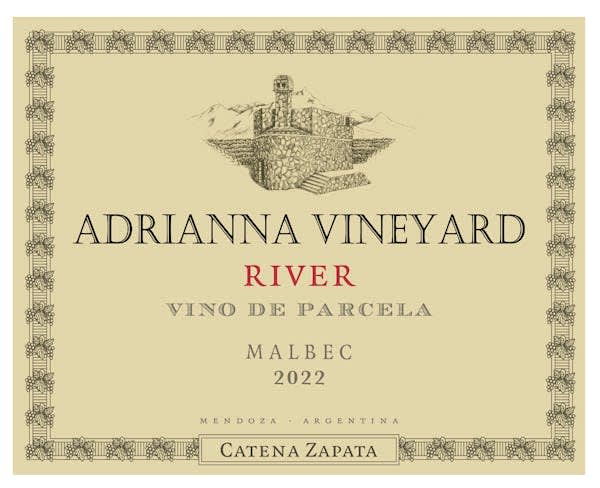
Lastly, a Malbec with its dark berry notes and smoky finish can add a unique touch, especially if the preparation includes herbs or spices that elevate the overall flavor profile.
Pairing Options for Lamb Chops
For succulent cuts of meat like these, I find a full-bodied Syrah or Shiraz to be an exceptional match. The bold flavors and peppery notes enhance the richness of the dish, creating a harmonious balance on the palate.
Alternative Choices
If I’m feeling adventurous, a Cabernet Sauvignon also complements the savory elements beautifully. Its firm tannins and dark fruit undertones stand up well to the robust flavors of the meat.
Flavor Profile Table
| Type | Taste Notes | Why It Works |
|---|---|---|
| Syrah/Shiraz | Pepper, dark berries, smoky | Enhances the richness and adds depth |
| Cabernet Sauvignon | Blackcurrant, oak, firm tannins | Balances the savory and enhances flavor |
| Merlot | Plum, chocolate, soft tannins | Offers a smoother, fruit-forward option |
In my experience, experimenting with these selections can lead to delightful discoveries, enhancing the overall dining experience significantly.
Understanding Flavor Profiles of Lamb Chops
Tender cuts from the shoulder or rack play nicely with wines that highlight their richness. My go-to choice is a Syrah, as its bold dark fruit notes and peppery undertones complement the savory profile of the meat beautifully. Additionally, a Cabernet Sauvignon provides structure through its tannins, enhancing the dish’s depth.
Herbaceous and Spicy Pairings
The herbaceous quality of rosemary and thyme often used in preparation pairs wonderfully with Malbec, which carries hints of dark berries and spices. This combination accentuates the aromatic elements of the dish while balancing the richness of the meat.
Decadent Sauces
If I’m preparing a dish with a rich sauce, I lean towards a Grenache. Its fruit-forward character and lower acidity harmonize perfectly with a sauce made from red wine reduction, creating a cohesive flavor experience. The smooth texture of this varietal rounds out the palate, making each bite more delightful.
Top Varieties for Pairing
For a delightful experience, I recommend opting for a bottle of Syrah. Its bold flavors and peppery notes complement the richness of the meat beautifully. The wine’s dark fruit profile enhances the natural sweetness of the dish, creating a harmonious balance.
Another excellent choice is Cabernet Sauvignon. This full-bodied option, with its robust tannins and hints of blackcurrant, pairs seamlessly with the savory qualities of the dish. The structure and depth of Cabernet elevate the dining experience, especially with herbaceous sides.
Merlot’s Smoothness
Merlot offers a softer profile that works well if you prefer a wine that won’t overpower the meal. Its plummy fruit flavors and velvety texture provide a delightful contrast, making it an approachable option for those new to pairing.
Malbec’s Richness
Malbec brings a unique character, often showcasing dark fruit and earthy undertones. This variety enhances the dish’s flavor, particularly when grilled or roasted. Its smooth finish can leave a lasting impression, making it a fantastic companion.
Serving Temperature and Decanting Tips for Optimal Taste
The ideal temperature for serving is typically between 60°F and 65°F (15°C to 18°C). This range allows the complexities to emerge while maintaining balance. A quick chill in the refrigerator for about 15-30 minutes can help achieve the perfect temperature if the bottle is stored at room temperature.
Decanting Recommendations
Decanting enhances the overall experience by aerating the liquid and allowing the aromas to develop. Here are some tips:
- Time: Allow at least 30 minutes to an hour for wines with bold profiles. This duration enables the flavors to open up significantly.
- Technique: Pour gently into a clean decanter, avoiding any sediment that may have settled at the bottom of the bottle.
- Glassware: Use wide-bowled glasses to maximize exposure to air, which helps in releasing the fragrant notes.
Aging Consideration
Older selections might not need extensive decanting. A brief exposure to air, around 15-20 minutes, will suffice for those with more delicate structures. Always taste before serving to assess how much air it requires.
Implementing these serving techniques will elevate the overall tasting experience, enhancing the pairing with succulent meats and complementing their rich flavors.